A Mini Guide to Fushimi Inari Taisha Shrine: Is It Worth It? 2026
One of the most iconic and popular shrines in Kyoto, and maybe even in the whole of Japan, is Fushimi Inari Taisha. I’m almost certain you’ve seen it in a million pictures already because of its thousands of red torii gates.
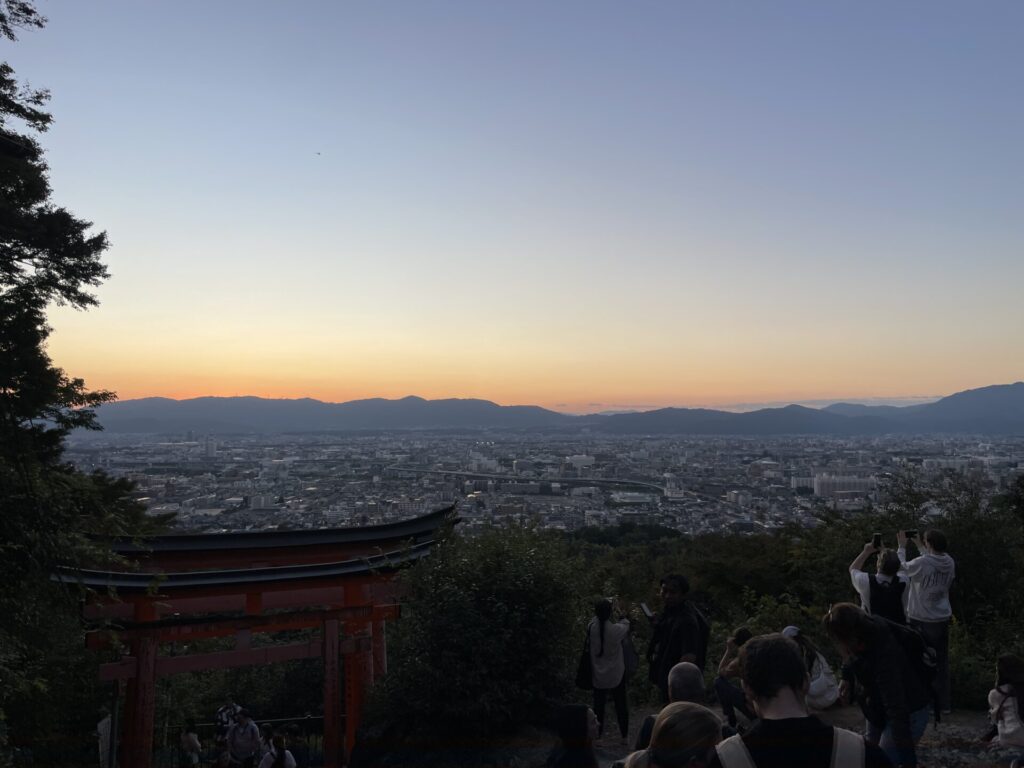
The shrine itself is located just outside Kyoto on a mountain, with the gates winding their way all the way up to the top. From the higher points, you get some amazing views over the city.
I just visited Fushimi Inari Taisha and yes, I actually did the hike to the very top. I have to say, it was amazing and I had a great experience!
However, I’ll be honest: I didn’t really know much about the shrine before I got there. I didn’t know what to expect, and I didn’t even realize there would be a full-on hike involved!
That’s why I decided to put together this mini guide. I want to answer all the basic questions and give you a better idea of what to expect, and, most importantly, if it’s actually worth your time.
In a Rush? Here Are Our Favorite Hotels in Kyoto Japan
⭐️⭐️⭐️ Good Nature Hotel Kyoto – Click here for rates & availability
⭐️⭐️ Hotel Alza Kyoto – Click here for rates & availability
⭐️ Kyoto Century Hotel – Click here for rates & availability
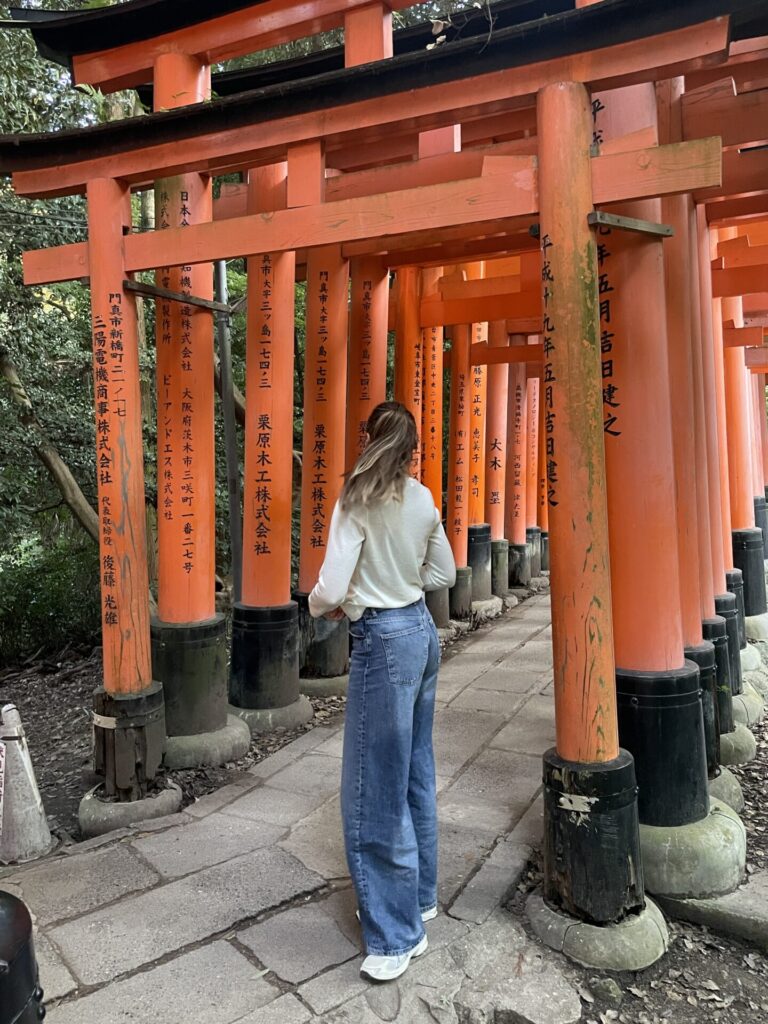
Fushimi Inari Taisha Shrine – My Experience
I want to start with my own experience here just to give you a better idea of what it’s actually like.
To be completely honest, before I arrived, I didn’t know much about the actual shrine at all. I didn’t even know the difference between a shrine and a temple back then! Of course, I’d seen all the pictures of the endless red torii gates and I knew I wanted a photo with them, but that was pretty much the extent of my knowledge.
Luckily, we had hired a guide for the day because I actually wanted to learn something about the places I was visiting, rather than just using them as a photo op if that makes sense?
It was honestly amazing. Our guide was so helpful and explained so much about the history and the meaning behind everything; it was incredible and well worth the money.
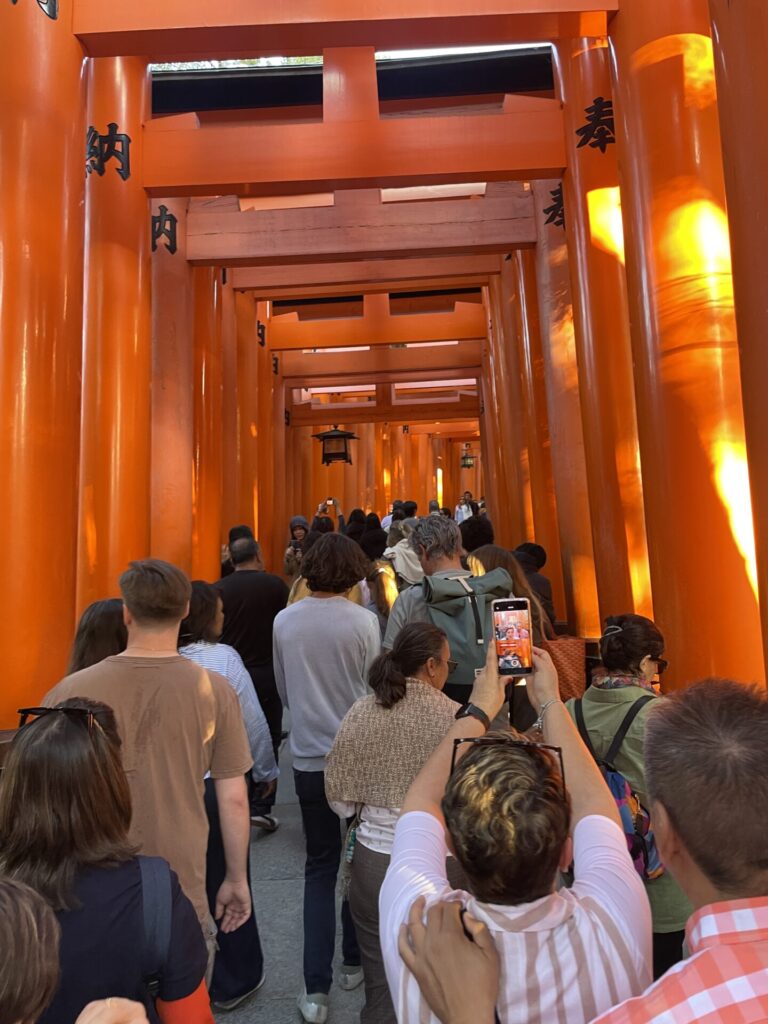
One thing you have to know about Fushimi Inari is that it’s notorious for being super busy and overrun with tourists. I think that’s just something you have to get used to when you’re visiting Kyoto. I thought I was being all smart by getting there around 4:00 PM, hoping the crowds would have cleared out by then, but nope, it was still packed.
I think the only real chance for a quieter experience is if you drag yourself out of bed for sunrise; otherwise, it’s just going to be busy.
All in all, I still had a great time even with the crowds. The shrine is super impressive, I got some cool pictures, and the view from the top was fantastic. Plus, I actually walked away having learned a bunch about Kyoto’s shrines, which was a huge win.

What is Fushimi Inari Taisha? (Quick History Lesson)
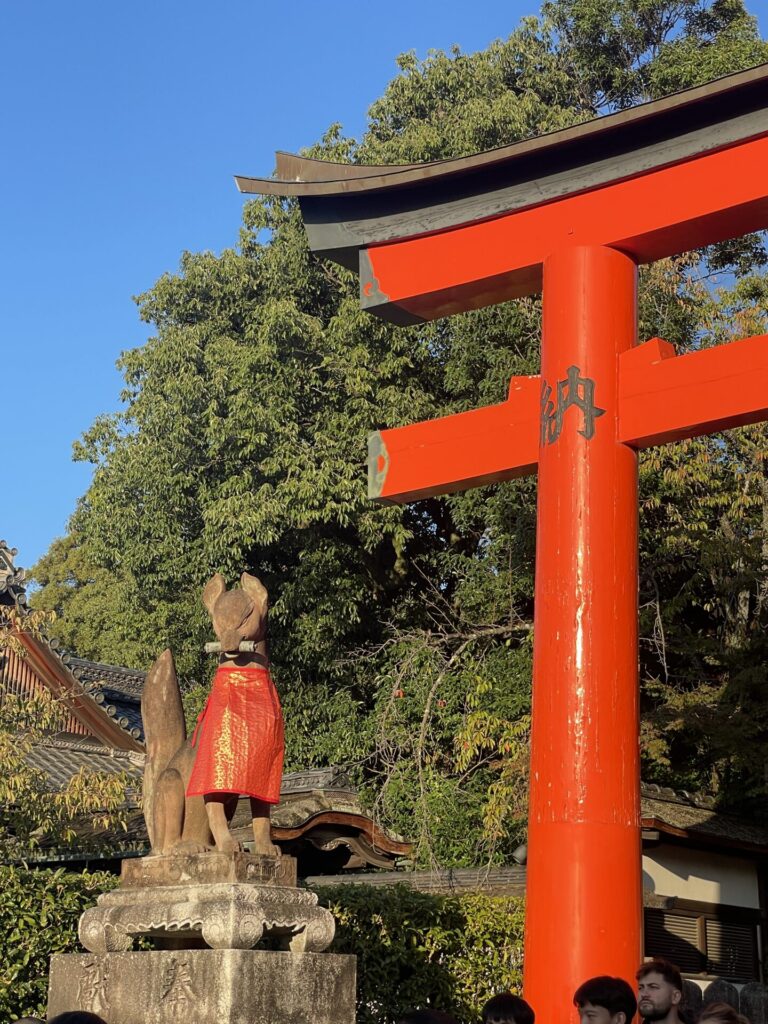
Fushimi Inari Taisha, often called the Fushimi Inari “Temple” by mistake, is actually a Shinto shrine dedicated to the god Inari Okami, the deity (god) of rice and business. It was built way back in 711 AD, making it well over 1,300 years old, which is honestly pretty incredible to think about.
The name itself is actually a bit of a giveaway once you know the lingo. “Fushimi” is simply the area of Kyoto where it’s located, and “Taisha” means it’s a “head shrine.”
I noticed these Inari shrines with red gates all over Japan, but this one is basically the big boss, it’s the head of them all. And remember, since it’s a shrine, it’s for the Shinto religion (focusing on nature and spirits), unlike the Buddhist temples you’ll see everywhere else.
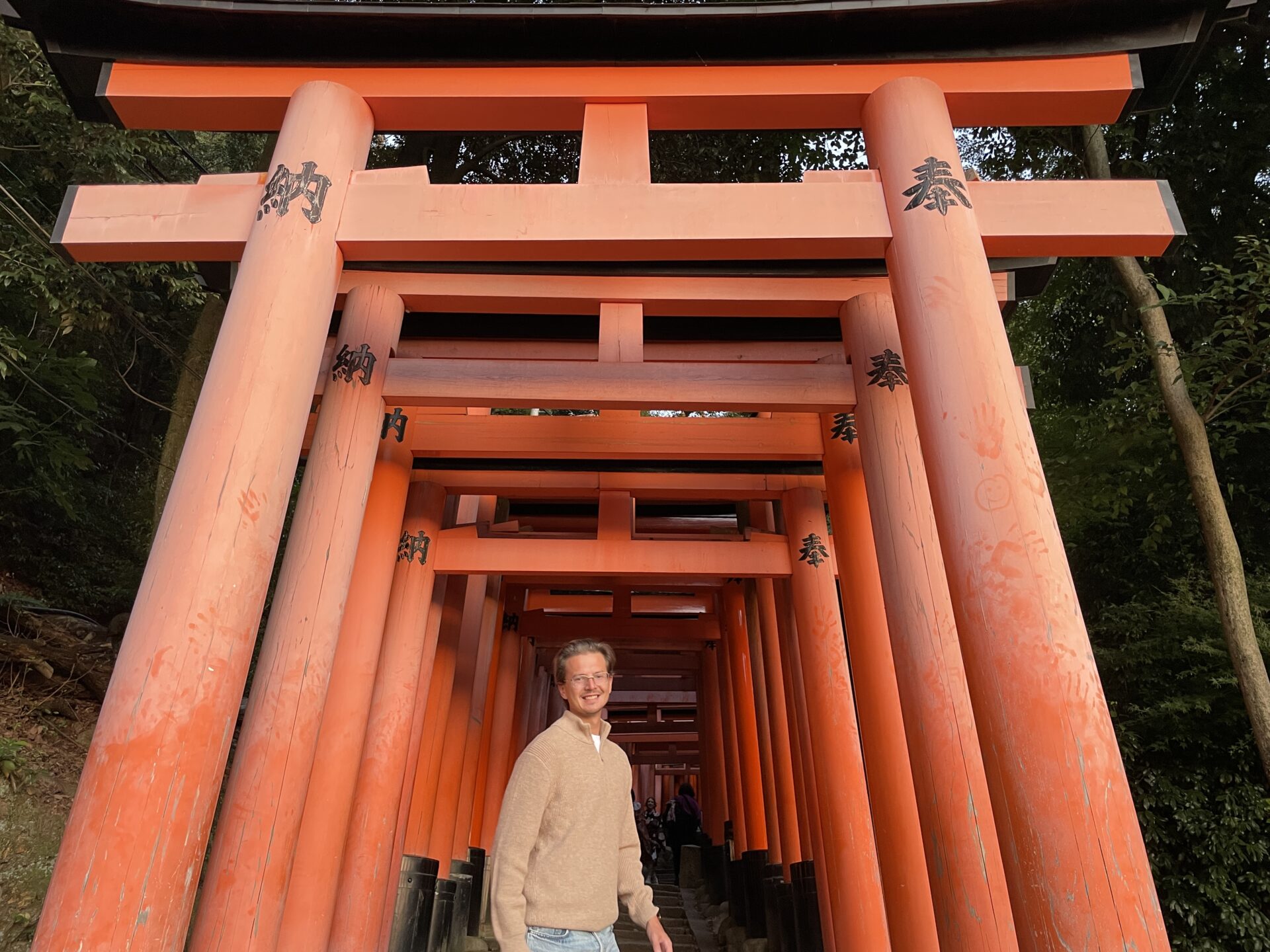
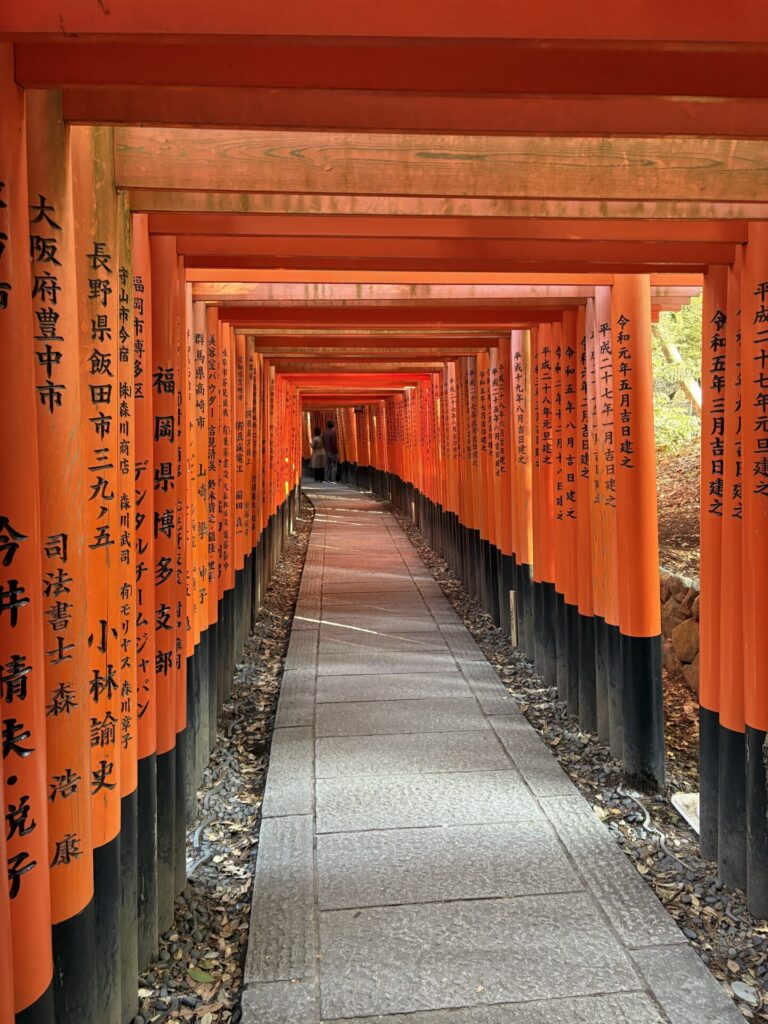
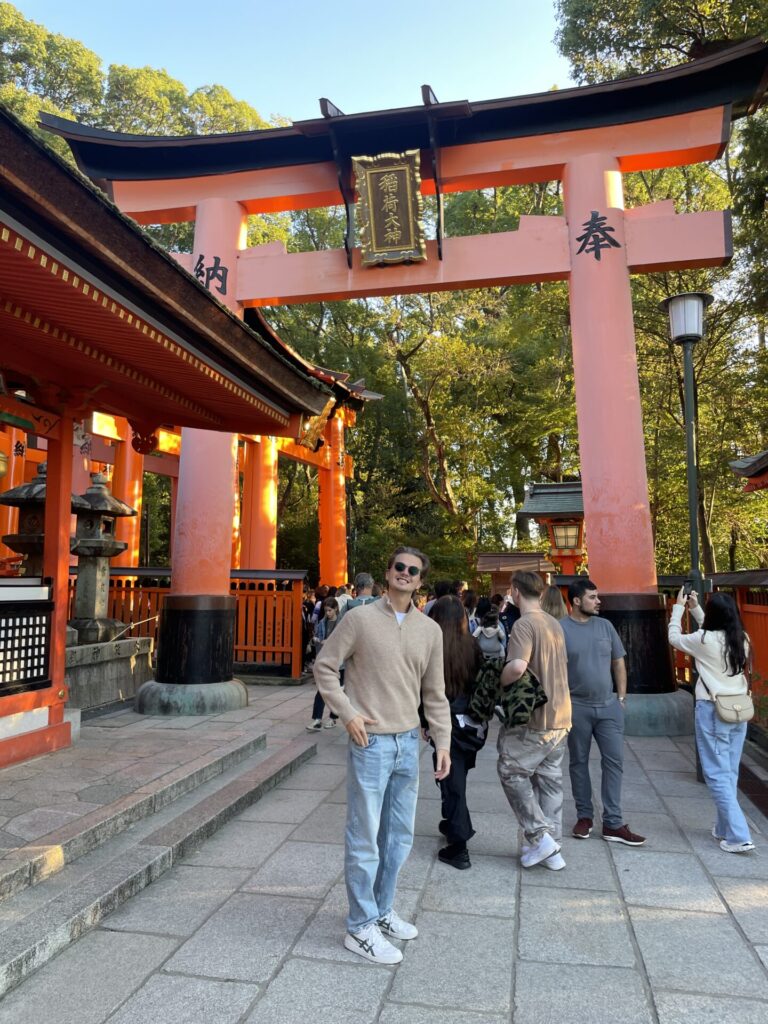
Now, about those iconic red torii gates: they are basically giant donations. I didn’t know this before, but whenever a person or a business makes a big enough donation to the shrine, they get to set up a gate with their name on it.
You’ll see this all over Japan, actually. Often when you see those rows of cool-looking lanterns with Japanese calligraphy, they aren’t necessarily deep religious scriptures or ancient prayers.
I remember being so curious and asking my guide about the “spiritual meaning” of the writing on the gates and lanterns, and she just calmly told me it was the names of random local businesses that had donated money. It was honestly so sobering and funny at the same time, like, “Oh cool, I’m taking a selfie with an 8th-century ad for a construction company.”

Is Fushimi Inari Shrine Worth Visiting? + What to Expect
So, I might have implied a lot of this already, but I wanted to make a quick section specifically on whether the shrine is worth your time and what you should actually expect once you get there.
The quick answer is: yes, of course it’s worth visiting. It’s the head Inari Shinto shrine in all of Japan, so from a cultural and historical standpoint, it’s a massive deal. Plus, it just looks super cool and is genuinely fun to explore.
Since I did zero research before I showed up, I had no expectations at all, I just knew about the red gates. Here are a few things that caught me off guard:
- The Crowds: I’ve said it before, but seriously, expect it to be crazy busy. It’s one of those things you just have to brace yourself for in Kyoto.
- It’s Free: This was a nice surprise! Shrines in Japan are usually free to enter, whereas the Buddhist temples usually charge an entrance fee (normally between $3 and $7 USD, though I think the most I ever paid was $10).
- It’s a Literal Hike: I didn’t realize the gates just keep going and going up the hill. I did the full trek and I’d say it took me well over an hour to get all the way up and back down. Wear comfortable shoes. Please.
I don’t think you necessarily have to walk the entire way to “see” it, but I thought it was a nice workout and a cool achievement. The views from the top were amazing, but the biggest perk? The further up I went, the more the crowds thinned out. If you want a photo without ten strangers in it, just keep climbing!
How to Get to Fushimi Inari Taisha?
I probably don’t have to tell you how amazing public transport is in Japan, and that includes Kyoto.
Getting to the Fushimi Inari Shrine couldn’t be any easier. I took the JR Nara Line from Kyoto Station straight to Inari Station, which is literally right across from the entrance of the shrine. The whole journey took me maybe 15 minutes tops, probably even less.
You can, of course, also take an Uber. I used Uber quite a bit while I was in Kyoto, but the public transport is so good you don’t really need to.
What I do want to say from my own experience, though, is that getting around was only “easy” as long as I stayed in Kyoto downtown. I had a few nights where I stayed a little further out, and it made navigating the city so much harder.
My advice is, don’t make it harder on yourself, just stay in the downtown area. Your feet (and your sanity) will thank you.


Is the Fushimi Inari Hike Easy?
To be honest, I didn’t even realize this shrine involved a hike! I had no idea the red gates would lead all the way to the top of a mountain.
I’d say I’m in okay shape, so I made it all the way up and back down just fine. Including a break and stopping for photos, the whole loop took me about 90 minutes to two hours.
I wouldn’t say it’s “hard,” but there are quite a few stairs, and you shouldn’t forget that Kyoto can get incredibly humid, especially in the summer. I would classify this as an easy hike that’s definitely doable for most people, but if you have bad knees or other health issues, those stairs might be a bit of a challenge.
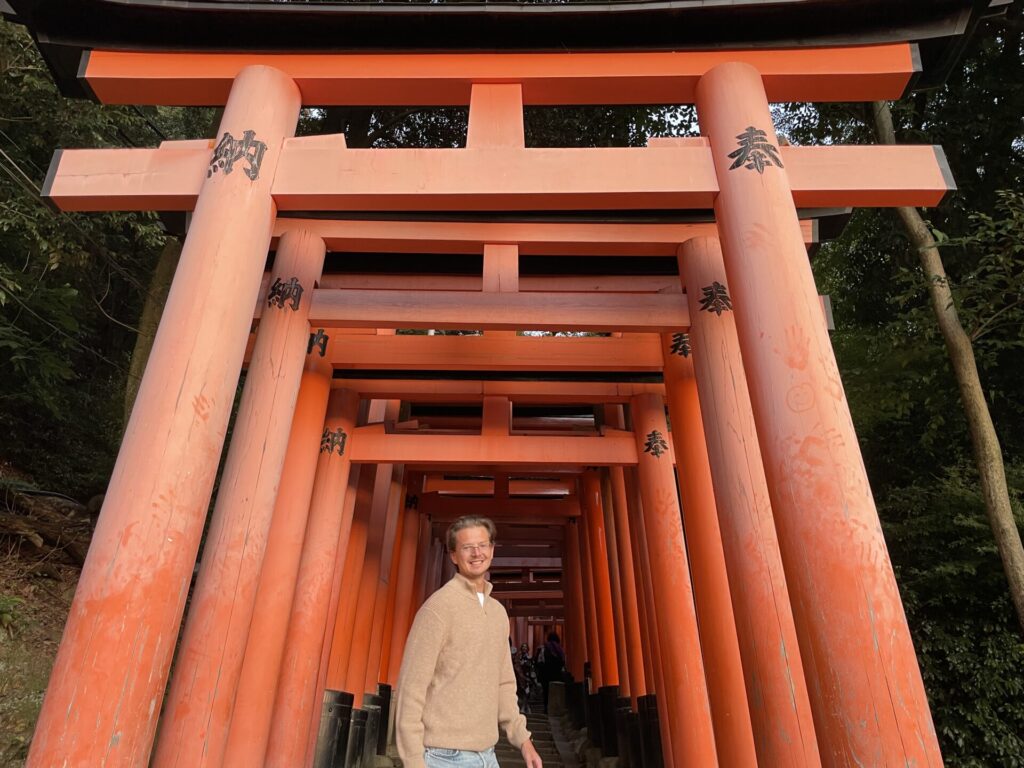
The good thing is that you don’t need to go all the way to the top to “see” it. The gates start right at the bottom, and then it’s just… more gates.
While I personally loved the views from the summit and the fact that it got way less busy the further up I climbed, I don’t think you’re necessarily “missing out” on the experience if you decide to turn back halfway.
FAQs About the Fushimi Inari Shrine
Is Fushimi Inari Shrine worth visiting?
Absolutely! I had such an incredible experience there because it is just such an impressive shrine. Since I was there with a guide, I actually learned about the significance and history of the place, which honestly made it even more worth it in my opinion.
How much does the Fushimi Inari Shrine cost?
Entrance here is completely free, which is pretty much the case for all shrines in Japan. This is a nice change from the Buddhist temples, which usually charge a small entrance fee.
What time does Fushimi Inari Taisha open?
Fushimi Inari is open 24/7, which is pretty cool. This is why I recommend coming here at the crack of dawn if you want any chance of having the place to yourself. If you’re looking for those perfect “empty gate” pictures, an early start is basically necessary.
When is the best time to visit Fushimi Inari Taisha?
I tried visiting in the late afternoon thinking I’d avoid the crowds, but that didn’t work at all, even at 4:00 or 5:00 PM, it was still super busy. Apparently, arriving for sunrise is the only real way to beat the rush.
Final Thoughts on Is Fushimi Inari Taisha Worth Visiting
Since Fushimi Inari Taisha is the head shrine of Inari and a major site for the Shinto religion, I thought it was a super cool place to visit. I wasn’t really familiar with shrines or Shinto beliefs before this trip, so I loved actually learning something new.
I thought it was well worth the visit and would definitely recommend it to you, too. However, I really do suggest either booking a tour or getting a private guide, just because that is kind of the only way to actually learn about most shrines and temples in Japan.
I also highly recommend getting here early if you care about dodging crowds; I was here in November, which is supposed to be a quieter time, and it was still fairly busy. I can only imagine that during spring or cherry blossom season, this place is absolute chaos!
Check Out My Other Kyoto Guides
Is Kyoto worth visiting: My Honest Review
2 Day Kyoto Itinerary: How I spent 48 Hours in Kyoto
How Many Days in Kyoto: A Realistic Guide for First Timers
Best Time to Visit Kyoto: My Seasonal Guide to Kyoto
Best Cafes in Kyoto: Top Coffee Shops in Kyoto
1 Day in Kyoto Itinerary: How I Spent 24 Hours in Kyoto Japan
Kyoto Food Guide: The Best Restaurants in Kyoto
Best Things to Do in Kyoto: My Favorite Activities in Kyoto
Where to Stay in Kyoto Japan: The Best Areas & Hotels
Tea Ceremony in Kyoto: My Honest Review + Experience
Best Ryokans in Kyoto: Best Traditional Stays in Kyoto
Kyoto or Osaka: Which is the Better City to Visit?
Autumn in Kyoto: Why I Love Fall Foliage
Is Nara Worth Visiting? My Honest Review
The Best Shrines & Temples in Kyoto: Top Temples in Kyoto
Fushimi Inari Taisha: My Mini Guide to Fushimi Inari Shrine
Kyoto Bamboo Forest: My Mini Guide Arashiyama Bamboo Grove
Check Out My Other Japan Travel Guides
Japan Travel Guide: Everything You Need to Know Before Visiting Japan
Best eSIM for Japan: My Honest Comparison
Is Japan Worth Visiting? My Honest Review
Is Japan Expensive to Visit? Japan Budget Guide
7 Days in Japan Itinerary: How I Spent 1 Week in Japan