How to Get Around in Tokyo: The Easiest and Cheapest Ways to Get Around in Tokyo 2026
One of the questions I get asked most often when people are planning a trip to Tokyo (or Japan in general) is how to get around. Tokyo is huge, and if you’re not used to using public transport at home, it can feel a little intimidating at first, but that is why I’m putting together this guide.
After spending almost a full week in Tokyo, I can confidently say this: getting around Tokyo is incredibly easy. The city is ultra-modern, extremely well connected, and the public transport system just works. Trains and metros run on time, stations are clearly signposted, and once you get the hang of it, moving around the city feels surprisingly effortless.
I also know that for some people, especially if you’re coming from smaller towns or cities without good public transport, the idea of navigating Tokyo’s metro system can feel overwhelming. That’s exactly why I put this guide on how to get around in Tokyo together. Below, I’ll explain how public transportation in Tokyo works, what your main options are, and a few practical tips from my own experience to make getting around Tokyo as smooth and stress-free as possible.
In a Rush? Here Are Our Favorite Hotels in Tokyo Japan
⭐️⭐️⭐️ Hotel Indigo Tokyo Shibuya – Click here for rates & availability
⭐️⭐️ Shibuya Tokyu REI Hotel – Click here for rates & availability
⭐️ Hotel Gracery Shinjuku – Click here for rates & availability
How to Get Around in Tokyo Japan – My Experience
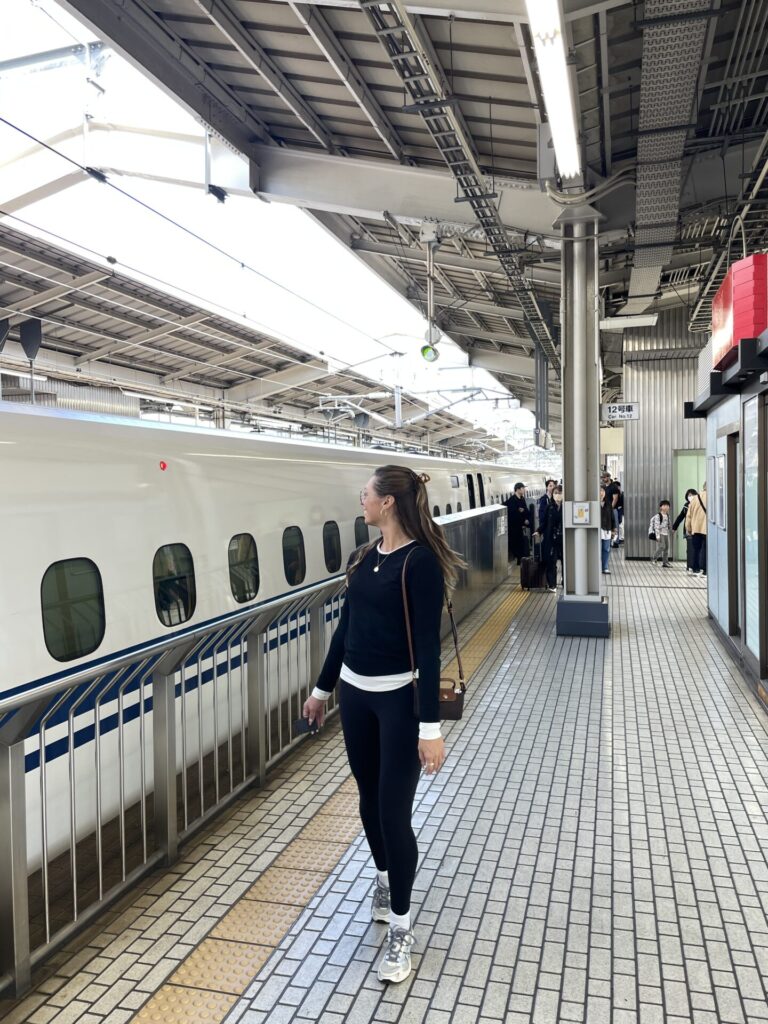
I spent about a week in Tokyo and honestly had one of the smoothest transportation experiences I’ve ever had in a big city. Tokyo’s public transport is so good and so well connected that I don’t think I took a taxi a single time while sightseeing. It simply never felt necessary.
During that week, I moved all over the city and even made it out to Mount Fuji without any issues. The one thing that made everything ridiculously easy was getting a Suica card. It’s Japan’s rechargeable transport card, and once I had it, getting around was just a matter of topping it up and tapping in and out at train and subway stations. No buying individual tickets, no stress.
Navigating Tokyo itself was also much easier than I expected, and I fully credit Google Maps for that. It told me exactly which metro line to take, what color it was, and even which exit to use once I arrived. From there, I just followed the color-coded signs in the stations. If you can follow directions, you can use Tokyo’s public transport, it really is that simple.
Outside of trains and metros, I walked a lot. I stayed in Shibuya and Shinjuku, both of which are very walkable, so on many days I didn’t even need the subway.
The only time I used a car was for airport transfers. When I arrived, I took public transport from the airport, but on the way out I booked a private driver, and honestly, I loved it.
That’s something worth mentioning here: as amazing as public transport in Tokyo is, it can get very crowded, and dealing with suitcases on packed trains isn’t fun. Whenever I was moving hotels or traveling with all my luggage, I definitely preferred taking a taxi or shuttle. It made the experience far more comfortable and stress-free.

Option 1: Public Transportation
Public transportation in Tokyo is honestly the easiest and fastest way to get around. I used it almost every day during my week in the city, and it made exploring Tokyo stress-free. During peak hours, taxis crawl through traffic, but I could get across Shinjuku or Shibuya in minutes on the metro.
I never really worried about whether a line was JR or subway. I just followed Google Maps, tapped my Suica card, and went. I added Suica straight to my phone wallet before even stepping on the first train, and from then on, commuting was effortless. I didn’t need to buy individual tickets, and even hopping between Shinjuku, Akihabara, and Tokyo Station in one day was simple.

Trains vs. Subways in Tokyo
Tokyo has JR lines and subways, but from my experience, you don’t need to stress about the difference. JR lines are regular city trains, not bullet trains, and they connect all the major hubs like Shibuya, Shinjuku, and the Yamanote Line, which loops around central Tokyo. Subways fill in the gaps where JR doesn’t reach. As a visitor, they work exactly the same.
The main thing I learned: just trust Google Maps. It tells you exactly which line, color, and exit to use. Even if you’re nervous about navigating Tokyo’s transport system at first, it really is simple once you start using it.
IC Cards (Suica & PASMO)
From my trip, the biggest lifesaver was my Suica card. Tap in, tap out, and the fare is automatically deducted. I used mine on trains, subways, buses, the Tokyo Monorail, and even at convenience stores and vending machines.
What IC Cards Don’t Cover
IC cards don’t cover long-distance bullet trains or certain express trains, but for regular sightseeing around Tokyo, that barely matters. I stayed mostly within the city and only used my card for metro rides, and it worked flawlessly.
Option 2: Uber/Taxis
I’ll be honest, in Tokyo I barely used taxis or Uber. Traffic can get pretty crazy, and most of the time the subway was not only cheaper but also faster. In Kyoto, for example, I ended up using Uber a lot more because the city is more spread out, but Tokyo is a different story.
Uber technically works in Tokyo, but it’s not like in other countries. When you call an Uber, you’re basically getting a regular taxi. The price is still based on the meter, not a fixed Uber fare. That said, I still liked using the app when I did need a ride because I could pay cashless and see a rough price estimate beforehand.
From my experience, taxis in Tokyo are actually more affordable than I expected, definitely cheaper than in the US or much of Europe. If public transport connections aren’t great, if you’re traveling with three or four people, or if you’re carrying luggage, taking a taxi can make sense and won’t completely blow your budget.
Personally though, I still preferred the subway for getting around day to day. It was quicker, more predictable, and way less stressful than sitting in traffic.
Option 3: A Private Driver
This is one option I personally didn’t use, and probably wouldn’t for getting around Tokyo day to day. Tokyo’s public transport is just too good to justify it in most cases. That said, a private driver can absolutely make sense if convenience is your top priority.
If you’re traveling with kids, moving around as a group, or simply don’t want to deal with crowded stations during rush hour, a private driver can be a great alternative. You can usually arrange one through your hotel concierge, or book online in advance. It’s obviously not the most budget-friendly option, but for a smooth, low-effort day of sightseeing, it can be worth considering.
Click Here: Private Driver Tour Tokyo
Option 4: Walking
I walked a lot in Tokyo. On most days, I averaged around 25,000 steps, simply because the city is so walkable (at least within the neighborhoods) and there’s always something interesting happening around you. I made a point of staying in areas like Shinjuku and Shibuya, so I could just leave my hotel and start exploring on foot without needing transport straight away.
I’m a big believer that walking is the best way to experience a city, and Tokyo really rewards that. Wandering around on foot, I constantly stumbled across small restaurants, random shops, and quiet side streets that I would’ve completely missed if I’d relied too much on taxis or trains. For me, some of the best Tokyo moments happened simply by walking with no plan at all.
How to Get from the Airport to Tokyo?
Tokyo has two main airports: Narita Airport and Haneda Airport (I learned that the hard way), but luckily getting into the city from both is pretty straightforward.
Train: This is the fastest and most reliable option. From Narita, you can take the Narita Express (N’EX) or the Keisei Skyliner, which gets you into central Tokyo in about 1–1.5 hours. From Haneda, the Tokyo Monorail or Keikyu Line will have you in the city in roughly 20–30 minutes.
Taxi or Private Transfer: Comfortable, but definitely the most expensive option, especially from Narita. That said, I actually really liked this when I had luggage. Tokyo’s public transport is amazing, but dragging suitcases through stations during rush hour isn’t fun. If you’re arriving tired, have heavy bags, or are traveling as a group, this can be worth it for the convenience alone.
FAQs About How to Get Around Tokyo
How do you get around in Tokyo without speaking Japanese?
From my experience, this really isn’t an issue. I relied on Google Maps the entire time, and all train and metro stations have English signs and announcements. I never once felt stuck or confused because of the language barrier.
How do you use public transport in Tokyo?
The easiest way is to get a Suica (IC) card and simply tap in and out at the gates. That’s exactly what I did. Pair that with Google Maps for directions, and getting around Tokyo is surprisingly straightforward.
Do you need a Japan Rail Pass for Tokyo?
In most cases, no. I didn’t use one in Tokyo at all. For getting around the city, you’re not taking long-distance trains, so a Suica or PASMO card is more than enough.
Do you need to buy tickets for public transport in Tokyo?
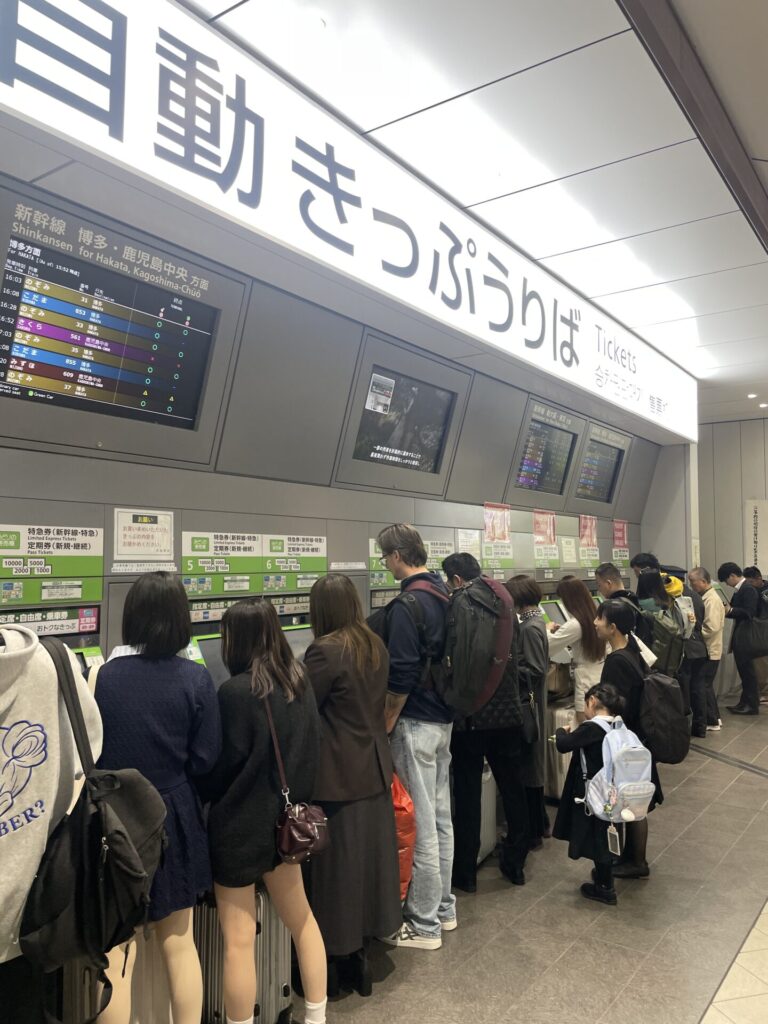
Yes, but you have options. You can buy single tickets at the stations (often cash only), or you can do what I did and use a Suica card, top it up, and tap in and out without thinking about fares.
Final Thoughts on Getting Around in Tokyo
If I’m honest, I wouldn’t stress about transport in Tokyo at all. Before my trip, it felt intimidating, but once I arrived, it quickly became one of the easiest cities I’ve ever navigated. Public transport is fast, clean, safe, and incredibly efficient.
You can use taxis or private drivers, but personally, I never felt like I needed them. Sticking to public transport and walking worked perfectly for me, and I’d do it the same way again. I hope this guide helps you feel more confident about getting around Tokyo, it really is much easier than it looks.
Check Out My Other Tokyo Guides
Tokyo Travel Guide: Everything You Need to Know Before Visiting Tokyo
Is Tokyo Worth Visiting: My Honest Review
The Best Time to Visit Tokyo: Tokyos Seasons Explained
3 Day Itinerary Tokyo: How I Spent 3 Days in Tokyo
What to Eat in Tokyo: My Top Restaurants in Tokyo
How to Get Around in Tokyo: A Guide for Public Transportation in Tokyo
Is Tokyo expensive: My Budget Breakdown for Tokyo
1 Week in Tokyo: My 7 Day Tokyo Itinerary
Things to Do in Tokyo Japan: My Top Activities in Tokyo
Where to Stay in Tokyo: My Favorite Areas & Hotels in Tokyo
Tokyo Skytree vs. Shibuya Sky: Which one is better?
Teamlab Planets vs. Teamlab Borderless: My Honest Comparison
Shinjuku or Shibuya: The Best Areas in Tokyo
Where to Stay in Shibuya Tokyo: My Favorite Hotels
Where to Stay in Shinjuku Tokyo: Top Hotels & Areas
1 Day in Tokyo Itinerary: How I Spent 24 Hours in Tokyo
Best Cafes in Tokyo: The 7 Best Coffee Shops
How Many Days in Tokyo do You Need: My Honest Opinion
Tattoo Friendly Onsen Tokyo: My Favorite Onsen
Tokyo Tower vs Tokyo Skytree: My Honest Comparison
Senso-Ji Tokyo: A Mini Guide
Teamlab Planets Review: Is Teamlab Planets Worth it?
Teamlab Borderless Review: Is Teamlab Borderless Worth it?
Check Out My Other Japan Travel Guides
Japan Travel Guide: Everything You Need to Know Before Visiting Japan
Best eSIM for Japan: My Honest Comparison
Is Japan Worth Visiting? My Honest Review
Is Japan Expensive to Visit? Japan Budget Guide
7 Days in Japan Itinerary: How I Spent 1 Week in Japan