Is Japan Expensive to Visit? My Budget Guide for Japan 2026
One of the biggest things I had to wrap my head around before (and honestly, after) my trip to Japan was the budget. How much does a trip to Japan actually cost me once I add up flights, accommodation, food, transport, and activities?
I’ll be honest with you from the start: Japan is definitely not the cheapest country I’ve traveled to. Not even close. But it’s also nowhere near the most expensive place either, especially if you travel smart and know where you can save without ruining the experience.
A lot of it comes down to how you travel. A luxury couple’s trip will look very different from a backpacking adventure or a family vacation, and your daily costs will reflect that.
Because of that, I put this guide together to answer the big question: is Japan expensive to visit? Everything here is based on my own experience from my last trip to Japan, including what I actually spent. I’ll break down typical costs for accommodation, food, transport, and activities so you can see what’s realistic and then adjust the numbers to fit your own travel style.
My goal isn’t to give you a one-size-fits-all budget, but to help you plan your own Japan budget with real-world numbers and no guesswork. I hope this makes planning your trip a whole lot easier.
In a Rush? Here Are Our Favorite Hotels in Tokyo Japan
⭐️⭐️⭐️ Hotel Indigo Tokyo Shibuya – Click here for rates & availability
⭐️⭐️ Shibuya Tokyu REI Hotel – Click here for rates & availability
⭐️ Hotel Gracery Shinjuku – Click here for rates & availability
Is Japan Expensive to Visit – My Experience
I spent just over a month in Japan, traveling around and seeing as much of the country as I could within my time and budget. I know most people won’t have that long, so for this guide I’ve adjusted my numbers and focused on what I spent per day instead.
On average, my daily budget landed somewhere between $150–200 USD per day, excluding flights. Scaled down, that comes out to roughly $2,500 per person for a 14-day trip, plus flights. That’s the number I kept circling back to when I looked at my actual expenses.
What’s important here is that I didn’t feel like I was missing out. I really did it all. I didn’t book ultra-luxury hotels, but I stayed in nice, comfortable places. I ate a lot of sushi and ramen (zero regrets), took plenty of Shinkansen/bullet train trips (they add up fast), and paid for all the activities I genuinely wanted to do.
I’d put myself firmly in the mid-range budget category. I definitely could have done Japan much cheaper if I’d wanted to. Hostels instead of hotels, convenience-store meals and cheap noodle spots every day, and cutting back on accommodation would have made a big difference. Transport, on the other hand, is one area where there’s only so much you can realistically cut.
That said, I also could have spent a lot more. Higher-end hotels, pricier restaurants, and more comfort-focused choices would push this budget up quickly. Japan makes it very easy to travel both cheaper and more expensively, it really just depends on how you want your trip to feel.

How Much Does it Cost to Travel to Japan by Category
1. Accommodation in Japan
From my experience, accommodation was for sure one of the most expensive parts of my time in Japan. I’ll be honest: Japan doesn’t offer great value for money when it comes to hotels, especially in the bigger cities. Tokyo in particular reminded me a lot of booking a hotel in New York with high prices, small rooms, and very little wiggle room.
I stayed in quite a few nice hotels during my time in Japan, and I genuinely enjoyed them. That said, even when I paid around $200 per night, I was usually getting a fairly small, pretty basic room. That’s just the reality of hotel stays in Japan, and it’s most noticeable in Tokyo.
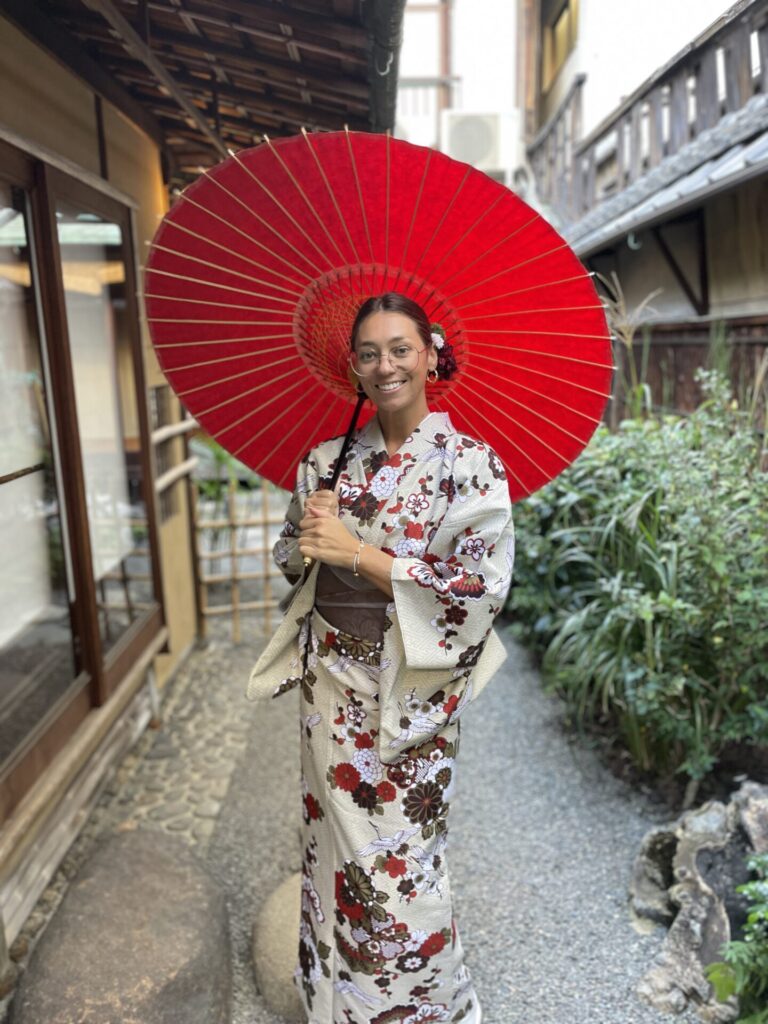
There are other options, though. In Kyoto, for example, we met up with friends and stayed in a super cute ryokan, a traditional Japanese inn. It was a great experience and something I’d absolutely recommend doing at least once. Still, it was fairly simple and, again, not exactly cheap for what you get. I liked it, but purely from a value-for-money perspective, it wasn’t a bargain.
Could I have done it cheaper? Definitely. Hostels or budget hotels would have cut my costs a lot, but I’ll be honest, I just didn’t want to. On the flip side, if you’re hoping for a more spacious hotel room or a higher-end stay, be prepared to pay for it. Room size and comfort in Japan come at a premium.
Below are a few hotel examples in Tokyo across different budgets so you can get a rough idea of what pricing looks like:
($$$) Book Here: Onsen Ryokan Yuen
($$) Book Here: Hotel Indigo Tokyo Shibuya
($) Book Here: Hotel Gracery Shinjuku

2. Activities in Japan
Activities in Japan honestly surprised me but in a good way. I ended up spending way less on sightseeing and experiences than I expected before the trip. A big reason for that is that Japan doesn’t feel like a destination where you’re constantly paying for tours or entrance tickets every single day.
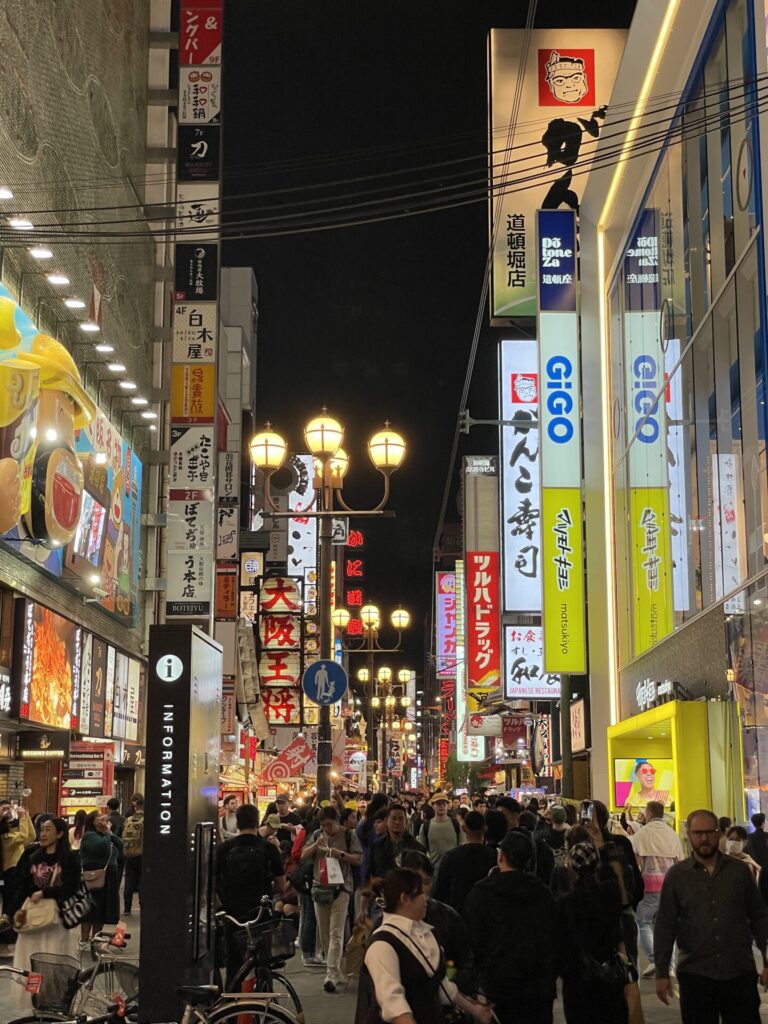
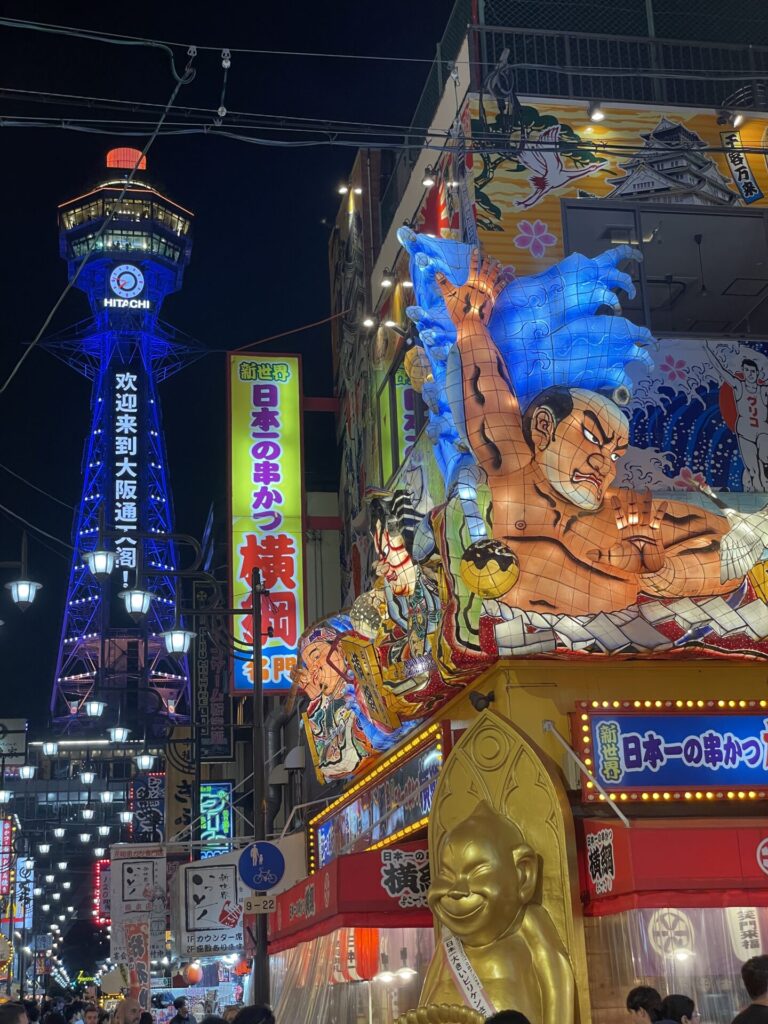
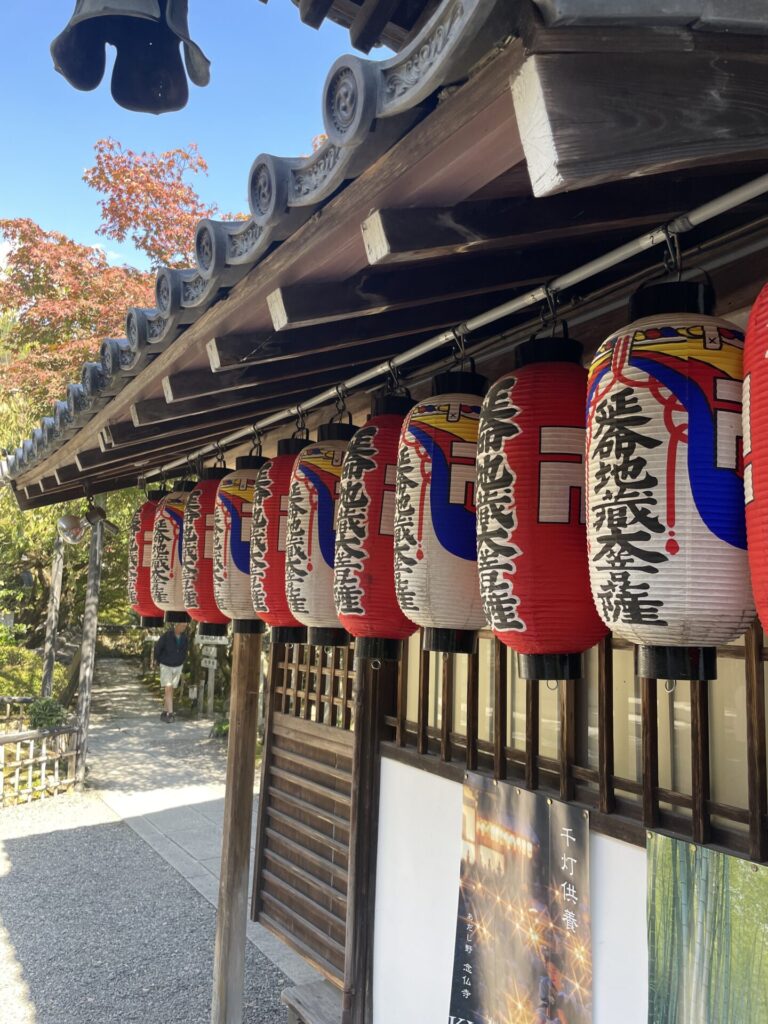
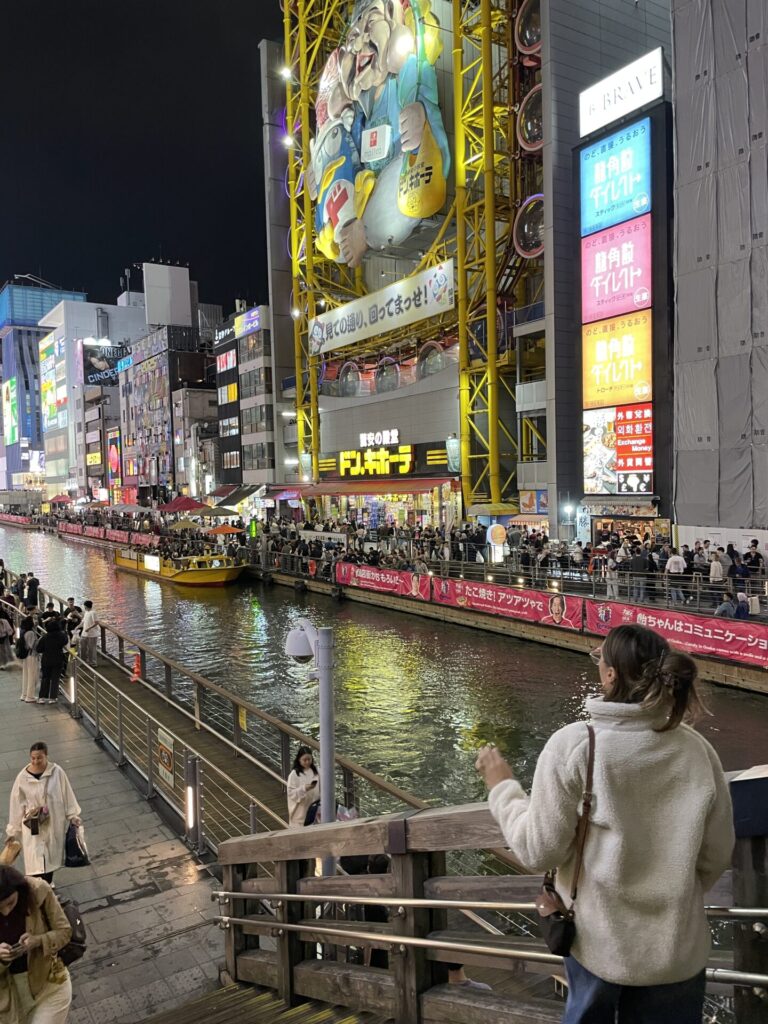
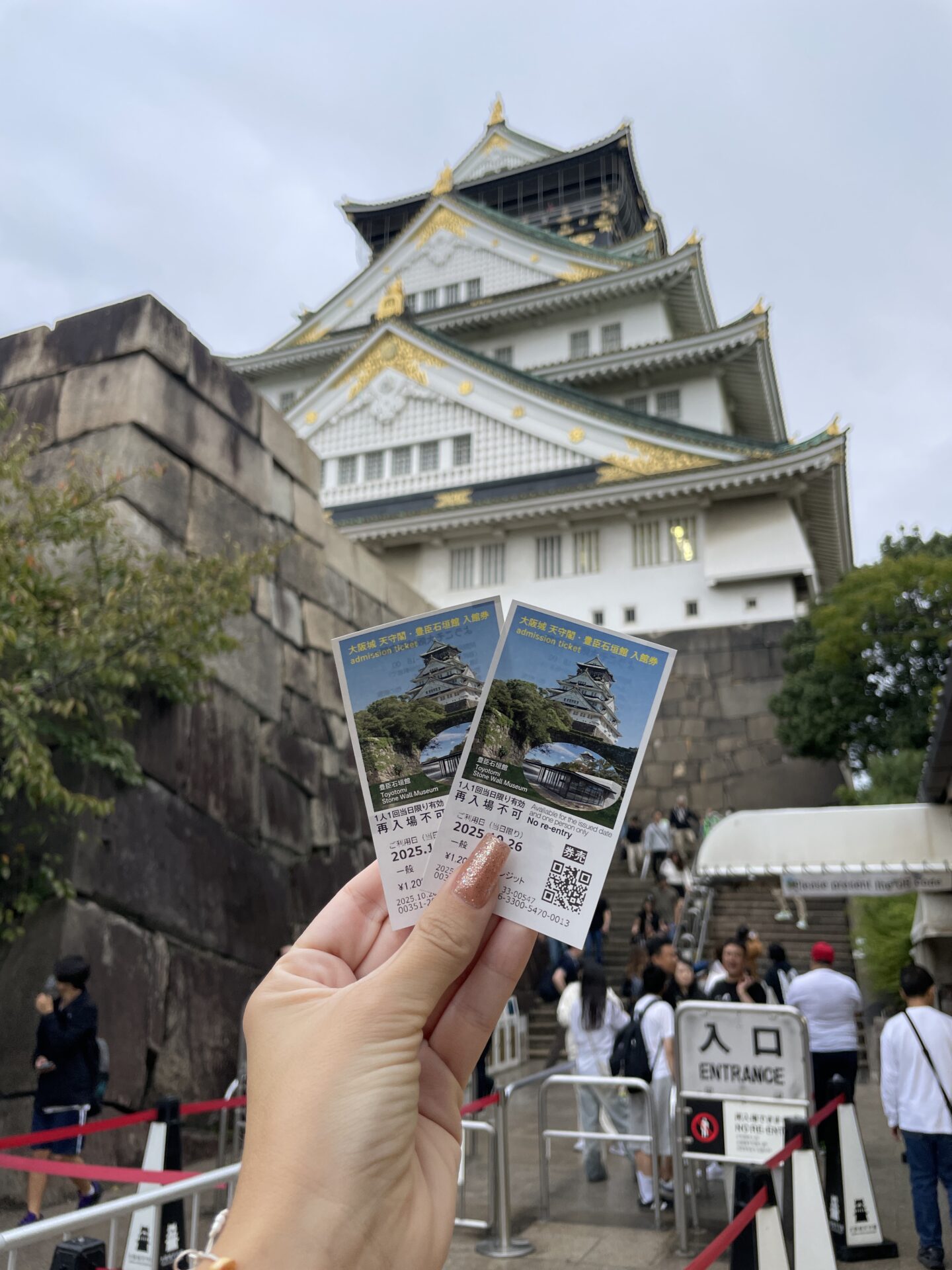
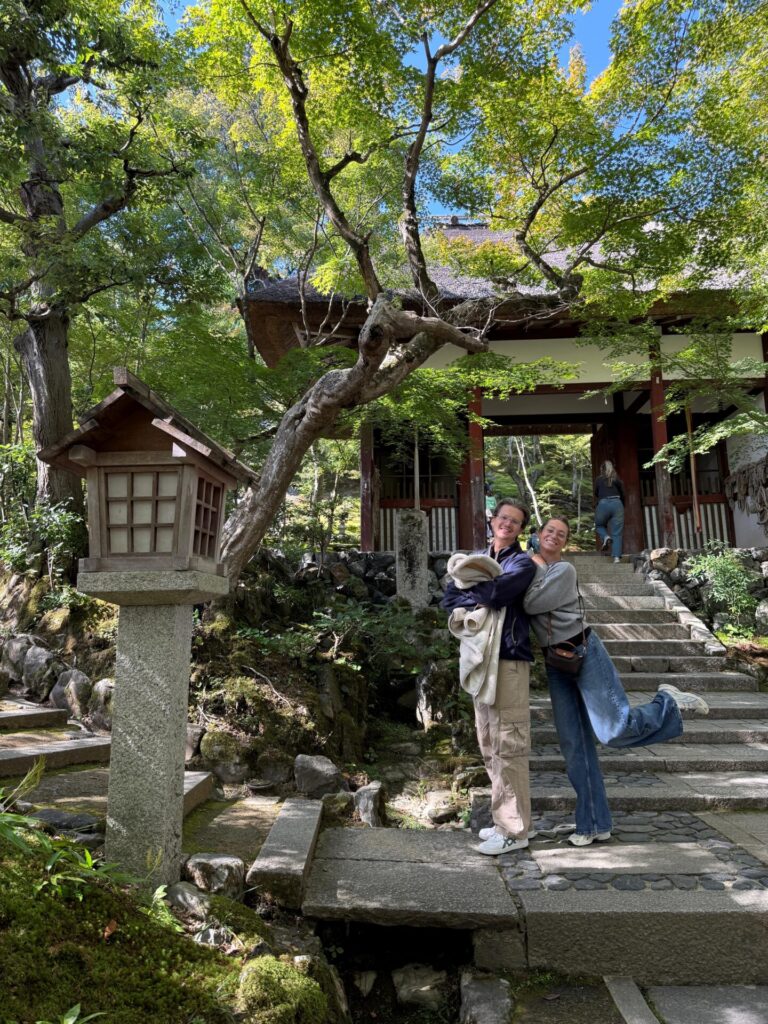
A lot of what I counted as “activities” was simply exploring. Walking around neighborhoods like Shibuya in Tokyo or Dotonbori in Osaka is an experience in itself and completely free. The same goes for many shrines and temples in Kyoto, which are either free to enter or charge a small fee of around $5 USD. It adds up to a full sightseeing day without really touching your budget.
Of course, there are exceptions. Some experiences are genuinely expensive, and Universal Studios Japan is the best example. Including a fast pass, that day set me back almost $300 USD, which is kind of insane, but unfortunately pretty standard if you want to skip the long lines. It was fun, but it’s definitely something I felt in my budget.
Overall though, activities in Japan were much cheaper than I thought they’d be. If you’re happy to balance a few paid experiences with lots of free exploring, sightseeing stays very reasonable.
Here’s a quick list of some of my favorite activities and roughly what they cost me:
- Universal Studios Japan + Fast Pass – $275
- Day trip from Tokyo to Mount Fuji – $x159
- TeamLab Planets – $27
- Tokyo Skytree observation deck – $17
- Hiroshima Peace Memorial Museum – $1.30
- Kyoto tea ceremony – $50


3. Food in Japan
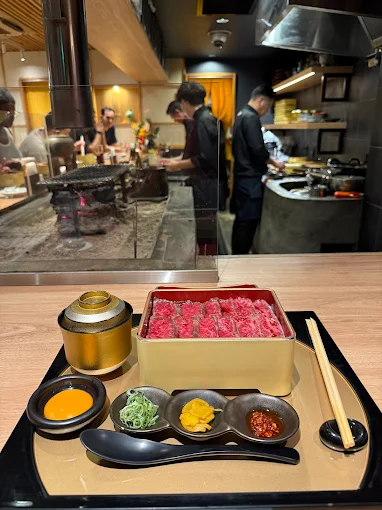
Food was definitely a noticeable part of my daily spending in Japan, mostly because I ate out a lot. Usually at least twice a day. I loved it so much that for lunch and dinner I actively looked for places I’d actually enjoy, whether that was katsu, curry, sushi, or ramen. There are so many great Japanese dishes.
That said, eating well in Japan doesn’t automatically mean eating expensively. More expensive doesn’t always mean better here, and some of my favorite meals came from small, family-run ramen or noodle shops I randomly stumbled into. For breakfast, I very often grabbed an egg sandwich from 7-Eleven or FamilyMart, which is cheap, quick, and actually really good.
On the flip side, I did splurge from time to time. I went for sushi omakase dinners (set-course sushi meals) and ate at a few more popular spots where dinner naturally costs a bit more. Those meals were great, but they were very much a choice, not something you have to do to eat well in Japan.
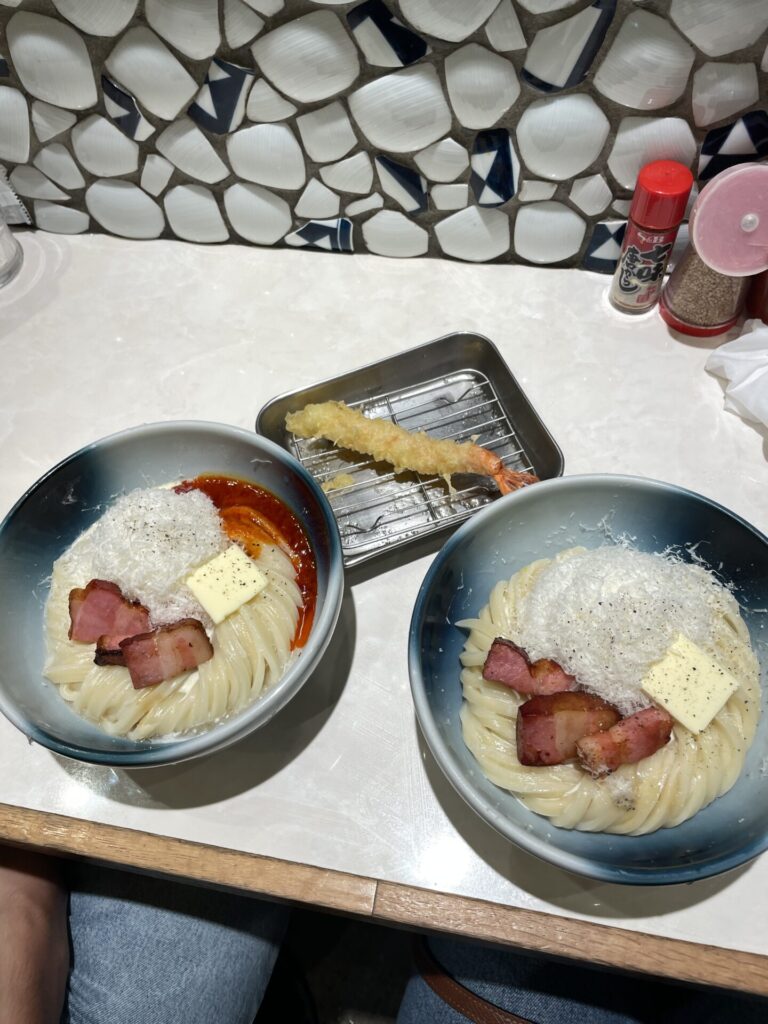
One thing I didn’t enjoy at all was viral Instagram food. In my experience, it was almost never worth the wait or the price. My biggest disappointment was the hyped-up udon carbonara in Tokyo, long line, high expectations, and very underwhelming.
Here’s a rough idea of what food cost me on a regular basis:
- Bowl of ramen: $5–10 USD, depending on the place
- Sushi omakase: from around $30 USD per person for 10 courses at budget-friendly spots, up to hundreds at high-end restaurants
- Onigiri (rice balls): $2–3 USD
- Convenience store sandwiches (7-Eleven, FamilyMart): $2–3 USD
- Coffee: $2-5 USD
If you’re happy to mix casual local spots with the occasional splurge, food in Japan can be incredibly good without completely blowing your budget.


4. Transportation in Japan
Transportation was another big part of my Japan budget, and it’s one of those things that can quietly add up. I used public transport pretty much every single day, and for the most part it was incredibly easy and affordable.
In cities like Tokyo, Osaka, and Kyoto, the public transport system is excellent. I used subways and metro lines constantly and got around with an IC card, which you just top up as you go. A single metro ride usually costs me around $1–3 USD.
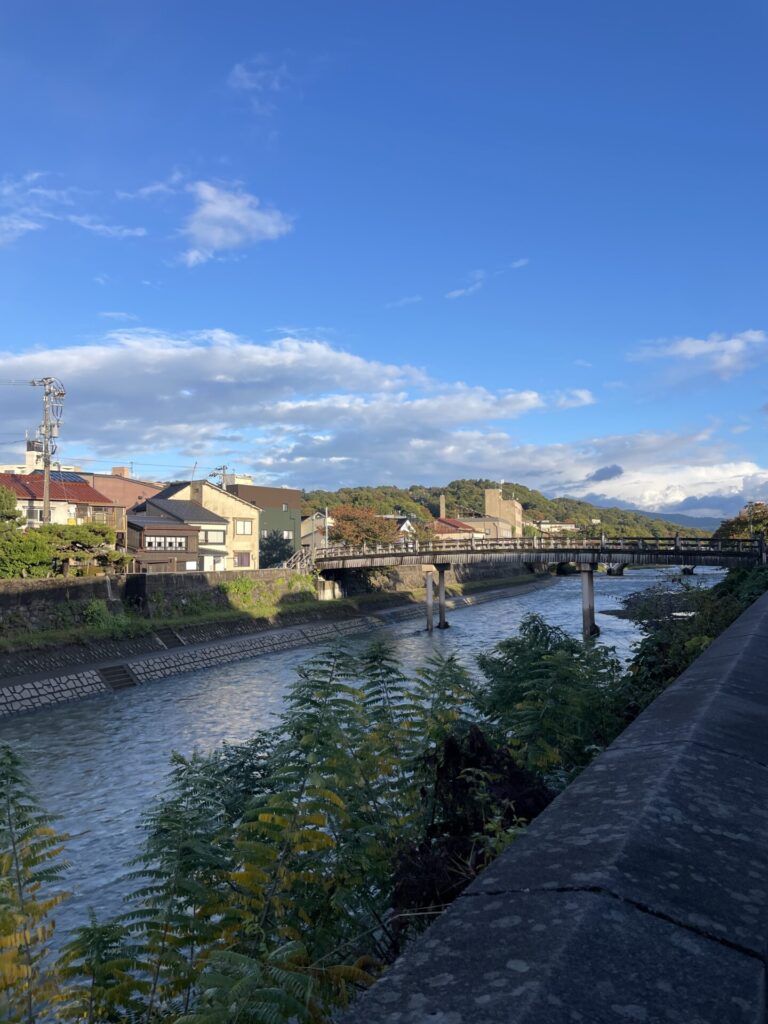
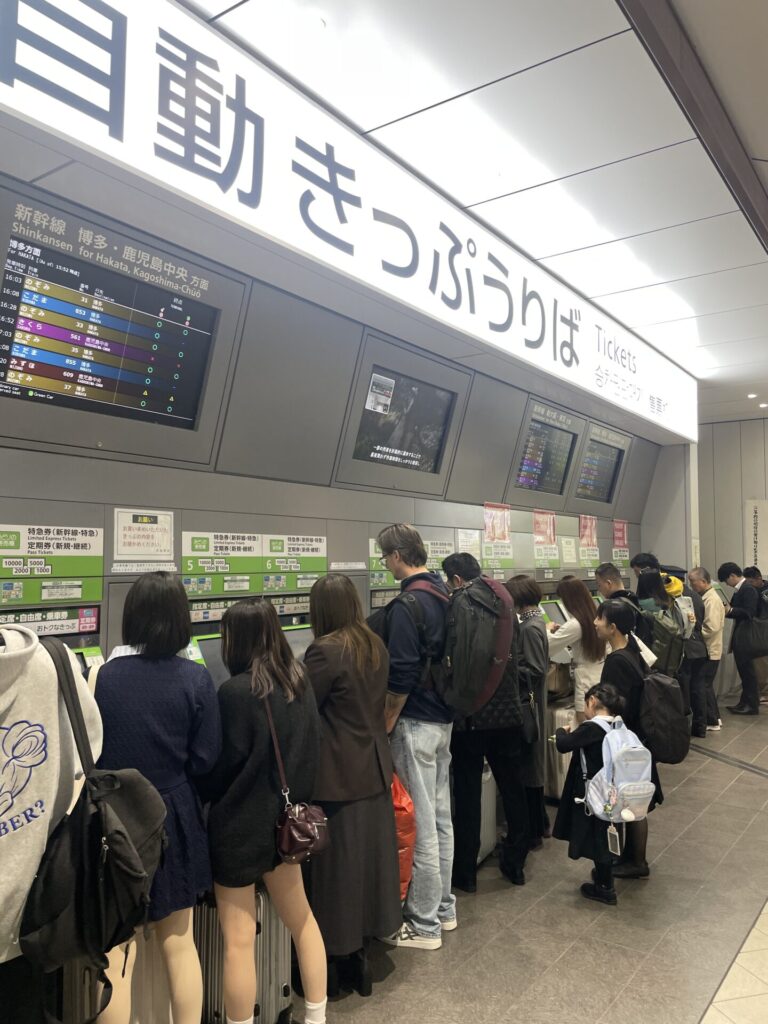
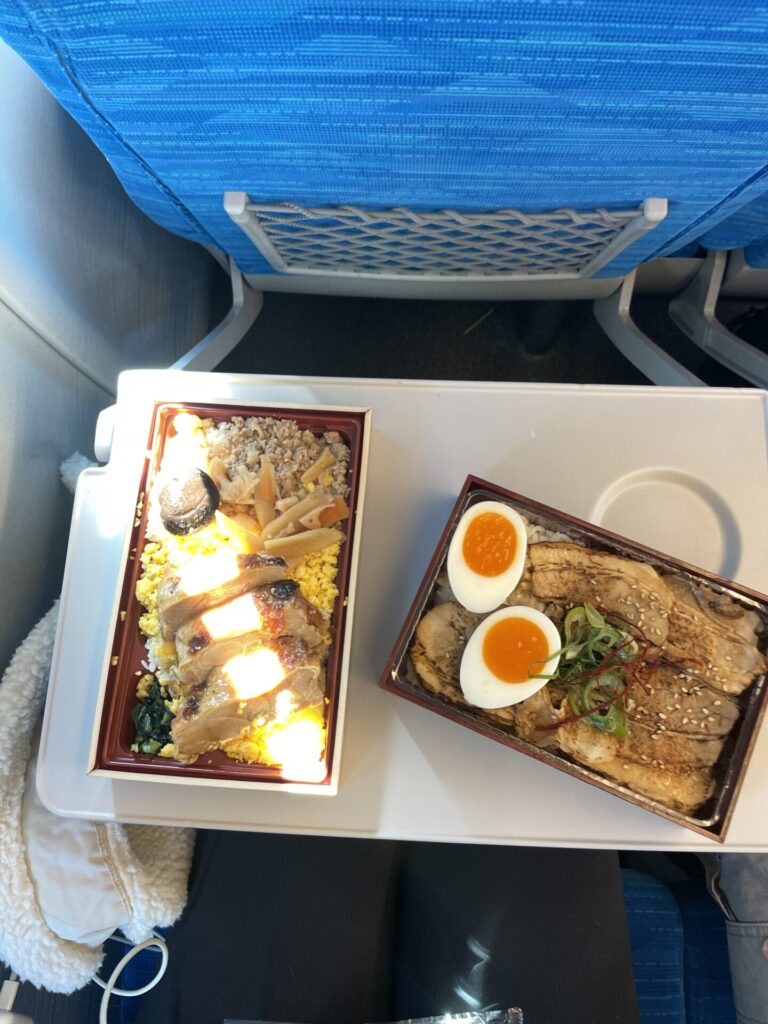
Where transport does get expensive is with the Shinkansen, Japan’s bullet trains. Depending on the route, a single journey can cost close to $100 USD, sometimes a bit less. Over the course of my trip, I took several long-distance trains: Osaka to Hiroshima and back, then on to Kyoto, Kanazawa, and finally Tokyo. Altogether, I spent just over $300 USD on bullet trains. I always bought my tickets at the station and never booked them online.
A lot of people talk about the Japan Rail Pass, but in my case, it simply wasn’t worth it. The 14-day pass costs around $530 USD, and I spent significantly less than that paying for individual tickets. Unless you’re planning to move cities very frequently or cover long distances every few days, I don’t think the pass makes sense for most itineraries.
Here’s what transport cost me overall:
- Shinkansen (total for my itinerary): $320 USD
- Single metro journey in major cities: $1–3 USD


5. Shopping in Japan
Shopping is one area where I don’t really have solid numbers to share, simply because I barely bought anything while I was in Japan. And no, not because I didn’t want to, I absolutely did. Japan was just one stop on a longer trip through Asia, and right after I flew straight to South Korea, so carrying extra stuff around wasn’t exactly ideal.
Shipping things home was an option, but between the cost and the hassle, I skipped it. Instead, I did a lot of window shopping, which honestly felt just as dangerous.
Japan is a dream if you’re even remotely into homeware and design. I saw everything from beautiful kitchen knives and ceramics to pots and pans, plates and bowls, coffee equipment, rugs, basically all the things you suddenly convince yourself you “need” for your apartment back home. I was fully obsessed.
Let’s just say I already know how my next trip to Japan will look. I’ll be coming back with an empty suitcase (or two), because shopping here can very easily become another serious budget category. And I’m absolutely okay with that.
FAQs About Japan Travel Cost
How much does a trip to Japan cost for 2 weeks?
For two weeks in Japan, I’d budget around $2,500 USD per person, plus flights. That’s based on my own mid-range travel style. You can absolutely spend more and yes, you could do it cheaper if you really wanted to.
Is Japan expensive for shopping?
Honestly, not really. High-quality products are often very reasonably priced. I’m already planning to buy kitchen knives on my next trip. For affordable (and dangerously tempting) random finds, a store called Loft is great, especially the big seven-story one in Shibuya.
What budget do I need for Japan?
Japan works for almost any budget, from backpacking to full-on luxury. Just keep in mind that “cheap” in Japan isn’t the same as cheap in Southeast Asia. That said, I think you can travel Japan on under $100 USD per day if you’re careful.
Is Tokyo expensive?
Yes, especially when it comes to accommodation. From my experience, hotels in Tokyo are pricey and rooms are small. If you want a more “normal-sized” room by US standards, expect prices around $300 USD per night or more.
Final Thoughts on Trip Cost to Japan
Overall, Japan is one of the more expensive countries I’ve traveled to on this Asia trip. After Japan, I visited South Korea and China, which were both a bit cheaper, while countries like Thailand or the Philippines are significantly more affordable.
I spent about $2,500 USD for two weeks in Japan, excluding flights, and I think that’s a very realistic budget if you want to genuinely enjoy your time. That included onsen visits, nice hotels, great food, and pretty much every activity I wanted to do.
I’m a backpacker at heart, though, and spending this amount was a conscious choice. I could have saved more on accommodation and food, but I didn’t really want to. Japan, for me, is all about the food and the experience and I was very happy spending a bit extra on both.
I hope this guide helps you set realistic expectations for budgeting in Japan.
Check Out My Other Tokyo Guides
Tokyo Travel Guide: Everything You Need to Know Before Visiting Tokyo
Is Tokyo Worth Visiting: My Honest Review
The Best Time to Visit Tokyo: Tokyos Seasons Explained
3 Day Itinerary Tokyo: How I Spent 3 Days in Tokyo
What to Eat in Tokyo: My Top Restaurants in Tokyo
How to Get Around in Tokyo: A Guide for Public Transportation in Tokyo
Is Tokyo expensive: My Budget Breakdown for Tokyo
1 Week in Tokyo: My 7 Day Tokyo Itinerary
Things to Do in Tokyo Japan: My Top Activities in Tokyo
Where to Stay in Tokyo: My Favorite Areas & Hotels in Tokyo
Tokyo Skytree vs. Shibuya Sky: Which one is better?
Shinjuku or Shibuya: The Best Areas in Tokyo
Where to Stay in Shibuya Tokyo: My Favorite Hotels
Where to Stay in Shinjuku Tokyo: Top Hotels & Areas
1 Day in Tokyo Itinerary: How I Spent 24 Hours in Tokyo
Best Cafes in Tokyo: The 7 Best Coffee Shops
How Many Days in Tokyo do You Need: My Honest Opinion
Tattoo Friendly Onsen Tokyo: My Favorite Onsen
Tokyo Tower vs Tokyo Skytree: My Honest Comparison
Senso-Ji Tokyo: A Mini Guide
Teamlab Planets Review: Is Teamlab Planets Worth it?
Teamlab Borderless Review: Is Teamlab Borderless Worth it?
Check Out My Other Japan Travel Guides
Japan Travel Guide: Everything You Need to Know Before Visiting Japan
Best eSIM for Japan: My Honest Comparison
Is Japan Worth Visiting? My Honest Review
Is Japan Expensive to Visit? Japan Budget Guide
7 Days in Japan Itinerary: How I Spent 1 Week in Japan