Full Japan Travel Guide for First Timers: Everything You Need to Know 2026
Japan has absolutely blown up as a travel destination over the past few years, and this year it felt like my entire Instagram feed was just cherry blossoms, ramen bowls, and Shibuya at night. Naturally, I had to go too because I couldn’t miss out on the hype, could I?
Jokes aside, Japan is genuinely one of the most incredible countries I’ve ever visited (easily in my top three), and now I’m fully obsessed. The culture, the people, the food, the cities, everything felt so different from what I’m used to, and somehow everything fascinated me at the same time. After spending almost a month exploring Japan, I completely understand why it’s becoming such a popular destination.
Compared to many other places I’ve traveled, Japan definitely falls into the “better to prepare than to wing it” category. I was so glad I did research and planning beforehand because, unlike other countries, Japan really rewards preparation. I made an itinerary, booked hotels in advance, planned out my days, and downloaded the apps I needed and it made my trip so much smoother.
In this guide, I want to help you do exactly that: plan your first trip to Japan with confidence. I’ve put together this complete Japan travel guide where I’ll go into slightly ridiculous detail about everything I planned ahead of time, what I wish I’d known before going, and all the little things that made my trip easier.
In a Rush? Here Are Our Favorite Hotels in Tokyo Japan
⭐️⭐️⭐️ Hotel Indigo Tokyo Shibuya – Click here for rates & availability
⭐️⭐️ Shibuya Tokyu REI Hotel – Click here for rates & availability
⭐️ Hotel Gracery Shinjuku – Click here for rates & availability
Japan Travel Guide – My Experience Visiting Japan
Let me quickly walk you through my own Japan itinerary, just so you get a clearer picture of what the country feels like and whether it matches the kind of trip you’re after. I’m completely obsessed with Japan, but of course that doesn’t mean it’s for everyone.
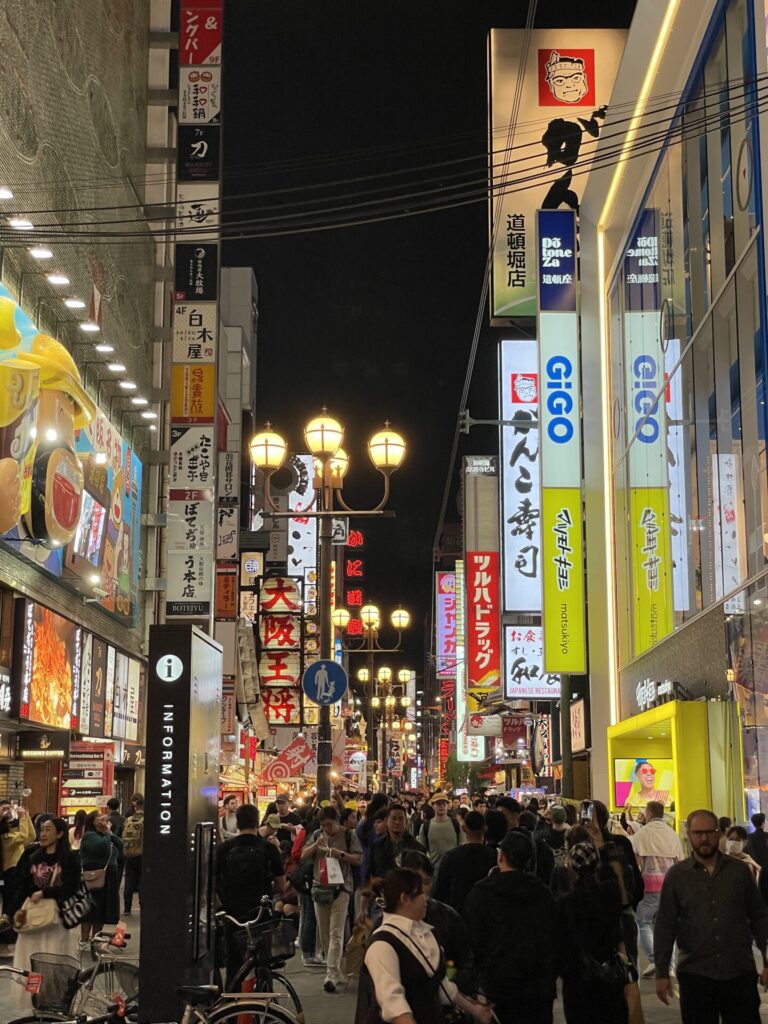
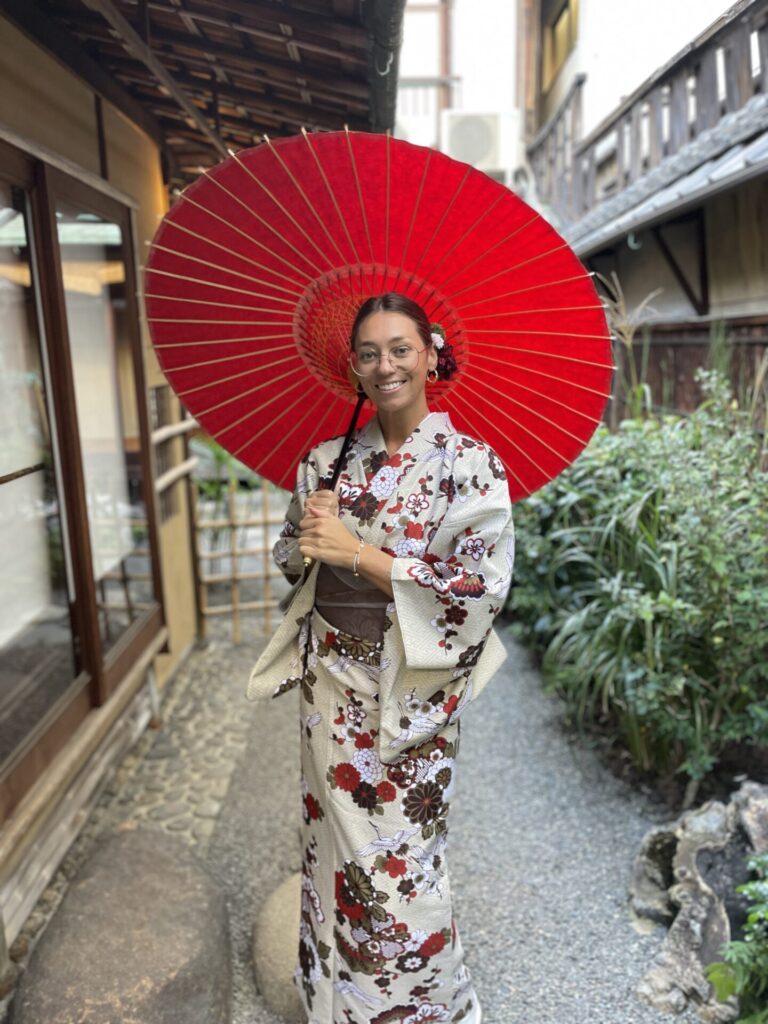
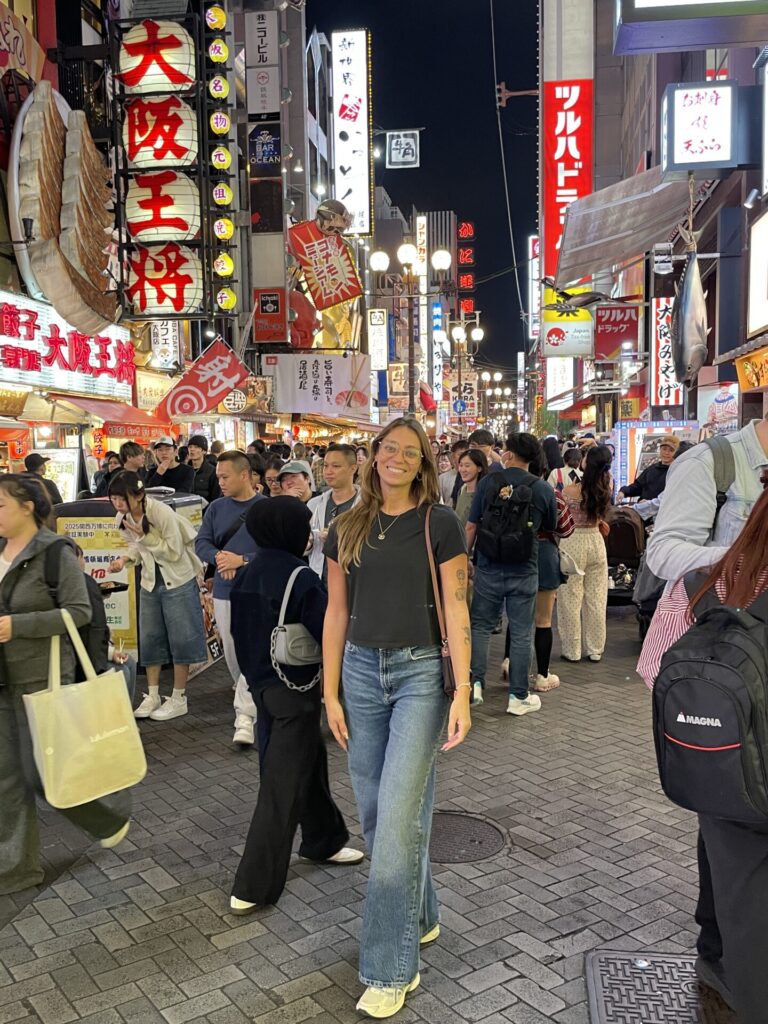
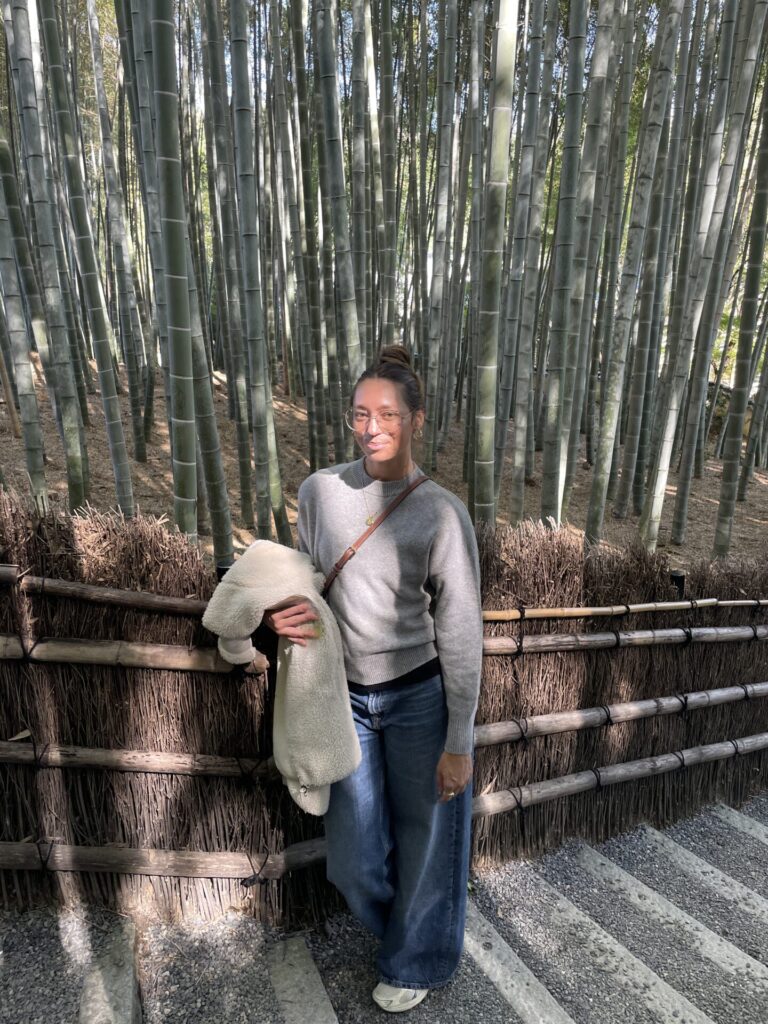
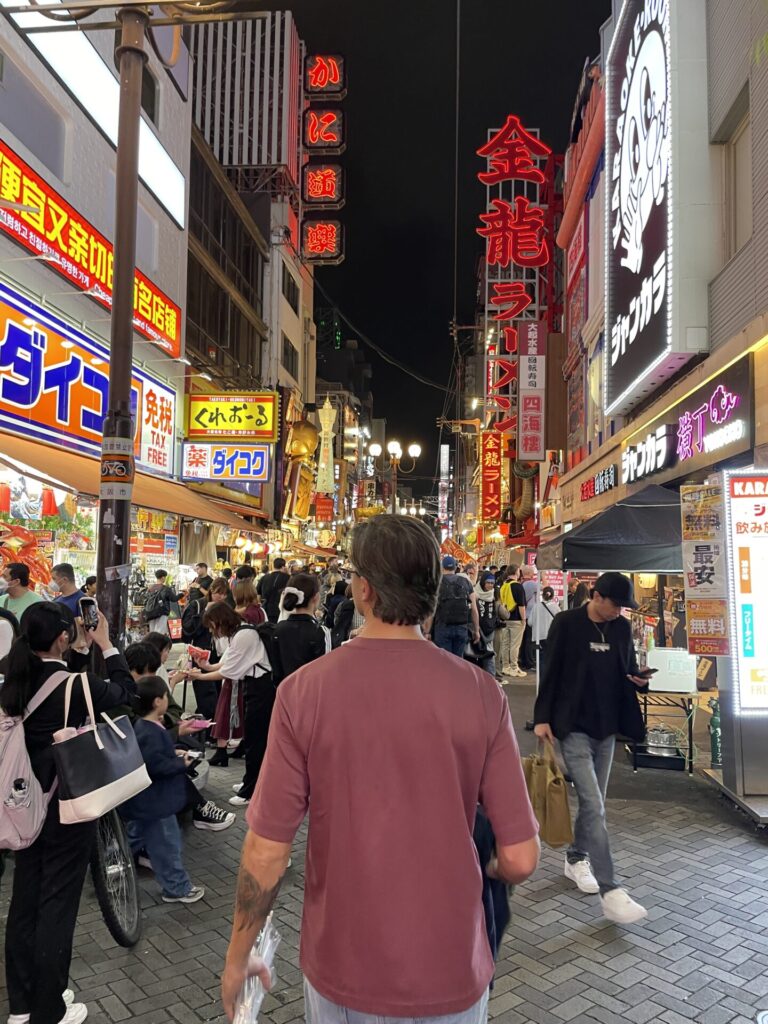
I spent almost a month traveling through Japan. I started in Osaka, then made my way to Kyoto, Hiroshima, Kanazawa, Mt Fuji, and finally Tokyo. I visited in November, and honestly I loved the weather. I had a mix of sunshine, clouds, and a bit of rain with pretty mild temperatures. Some days I wore jeans and a sweater, and other days I brought out a coat and boots, but I’ll take that over humid summer heat any day.
The type of trip I did in Japan was definitely heavy on sightseeing, culture, food, and a bit of shopping. Not much “relax by the hotel pool” energy. I really tried to pack in as much as possible because Japan felt like a once-in-a-lifetime trip, and I didn’t want to miss a thing.
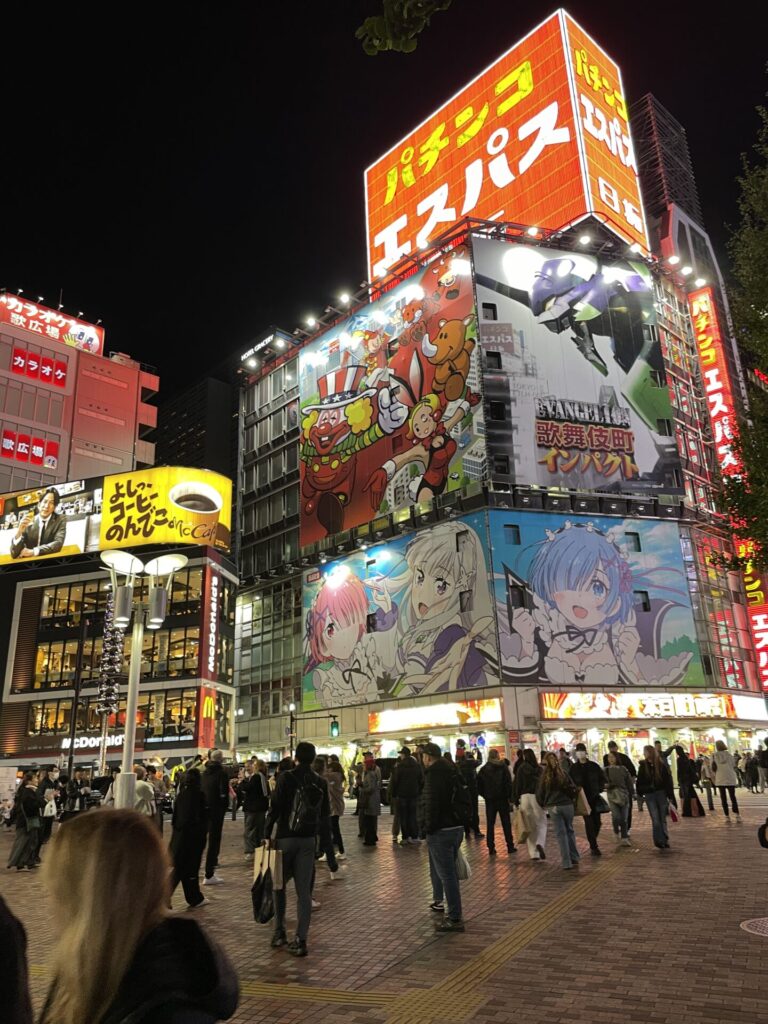
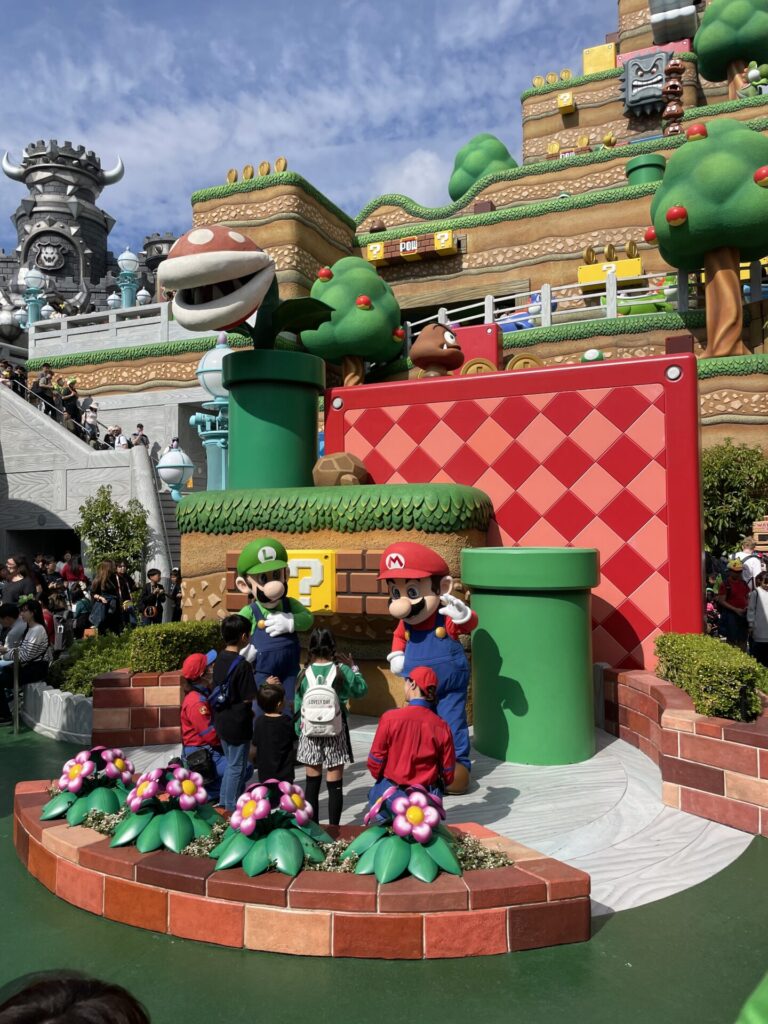
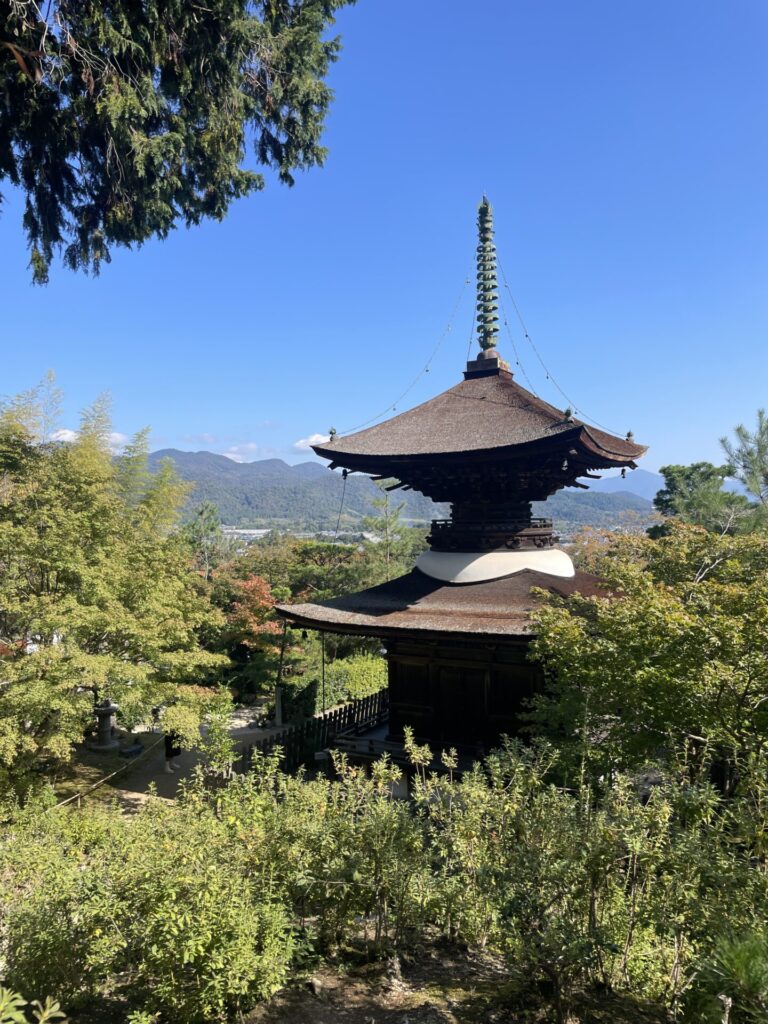
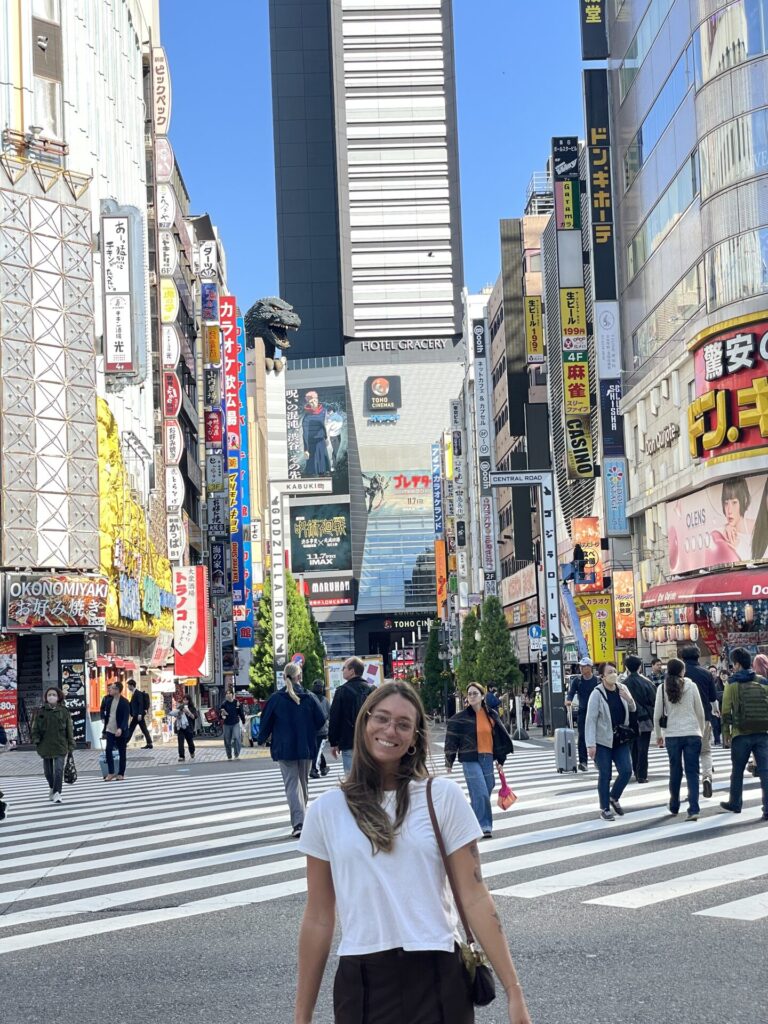
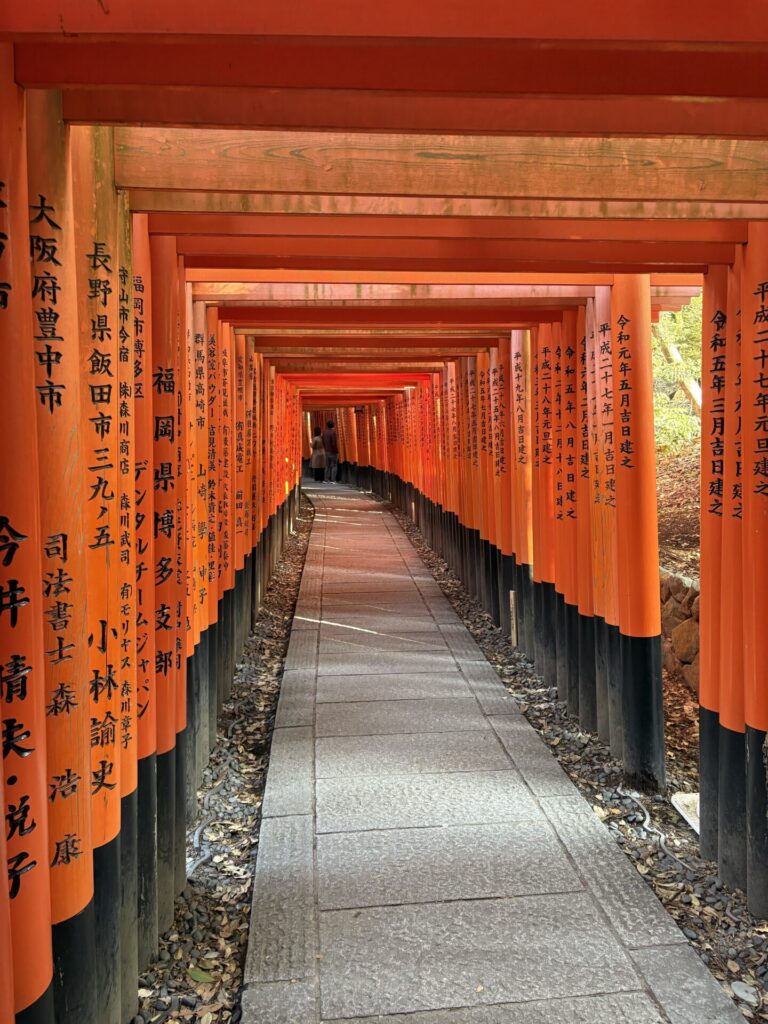
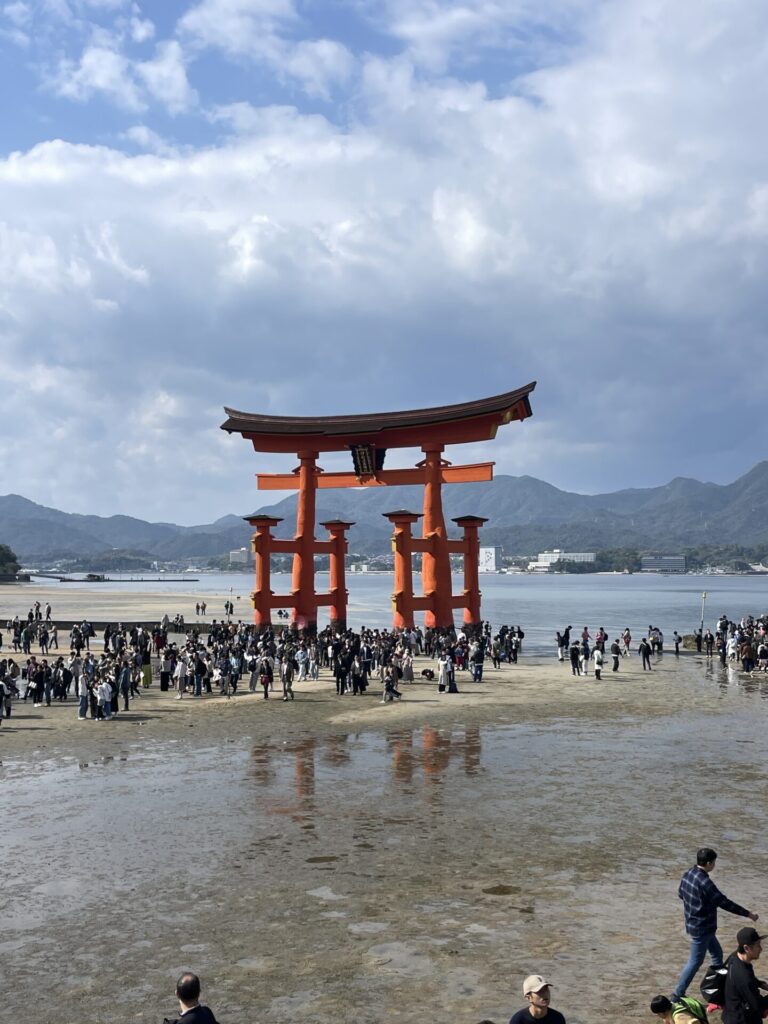
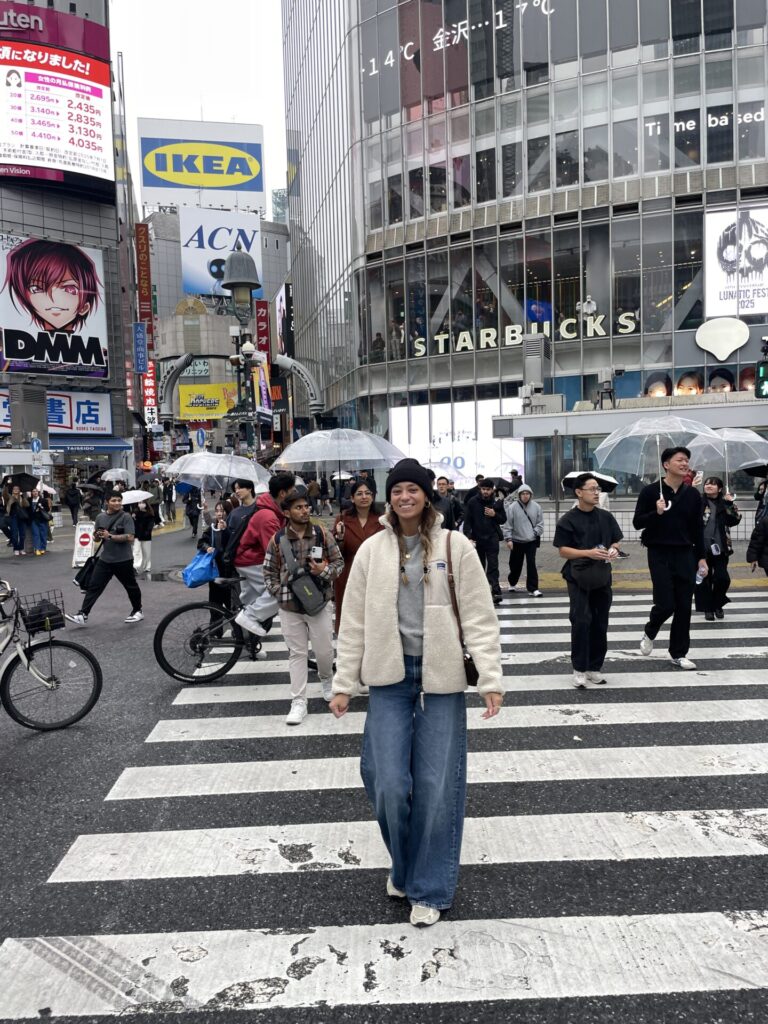
I visited Hiroshima to learn about the nuclear bomb, wandered temples in Kyoto, went to Nintendo World at Universal Studios, saw Mount Fuji (well… parts of it), and of course walked the Shibuya Scramble Crossing in Tokyo.
As you can tell, my experience was packed, but I loved every second. Japan is currently my number one country I want to revisit ASAP. I feel like there is so much more waiting for me, and it seems like a lot of people feel the same way. Almost everyone I talk to ends up loving Japan just as much.
What to Know Before Visiting Japan – Quick Check
- Pick the right season: I recommend visiting in spring, fall, or even winter for the best weather. I’d much rather wander around Tokyo in a coat and warm up with a hot bowl of ramen than melt in the summer heat.
- Visa: We (from the USA and Germany) could enter Japan visa-free, which made everything super easy. No paperwork or fees in advance.
- You’ll need more time than you think: Don’t cram too many stops into your itinerary. Travel between cities takes time, and exploring Tokyo, Osaka, and Kyoto always takes longer than you expect.
- Get an eSIM: I needed data 24/7 for Google Maps, Translate, and hunting down food spots. I recommend getting Sim Local (use my discount code GIRLONAZEBRA).
- Should I get the Japan Rail Pass?: It depends on your route, but honestly, in 9 out of 10 cases it’s cheaper to skip it and buy individual tickets. That’s what I did.
- Budget expectations: You can travel cheap with hostels and 7-Eleven sandwiches, but hotels and transport can add up quickly. A realistic daily budget is around $100–$200 USD, or more if you’re going all out.
- How long to spend in Japan: I spent almost a month and still feel like I need more. If you want to see Tokyo, Kyoto, Osaka, plus Mt Fuji, Kanazawa, or Hiroshima, I’d say at least 15 days, ideally more.
- What to pack for Japan: Locals dress so well, so I ditched my usual backpacker look and felt much better with nicer (and warmer) clothes in winter. And definitely leave room in your suitcase, the shopping is dangerous.

Best Time to Visit Japan + Seasons Explained
Spring in Japan
For my next trip, I’m seriously considering visiting Japan in the spring. The cherry blossoms look absolutely magical in every photo I’ve ever seen. The only thing holding me back is how popular this season is, sakura season (cherry blossoms) means higher prices and hotels booking out in seconds.
That said, the idea of walking around in a T-shirt, feeling comfortable (not sweaty!) while exploring parks and temples sounds fantastic. If you don’t mind the crowds, spring is easily one of the dreamiest times to visit.
Summer in Japan
For me personally, summer in Japan is a no. And even locals told me the same: “Don’t come in summer.”
Cities like Tokyo and Osaka turn into heat traps thanks to the concrete and tall buildings, and it gets hot and humid quickly. I don’t do well in that kind of heat, so I’ll skip it.
The only exception is visiting Okinawa and the surrounding islands for a proper Japanese beach vacation, that sounds like a completely different vibe and honestly very fun.
Autumn / Fall in Japan
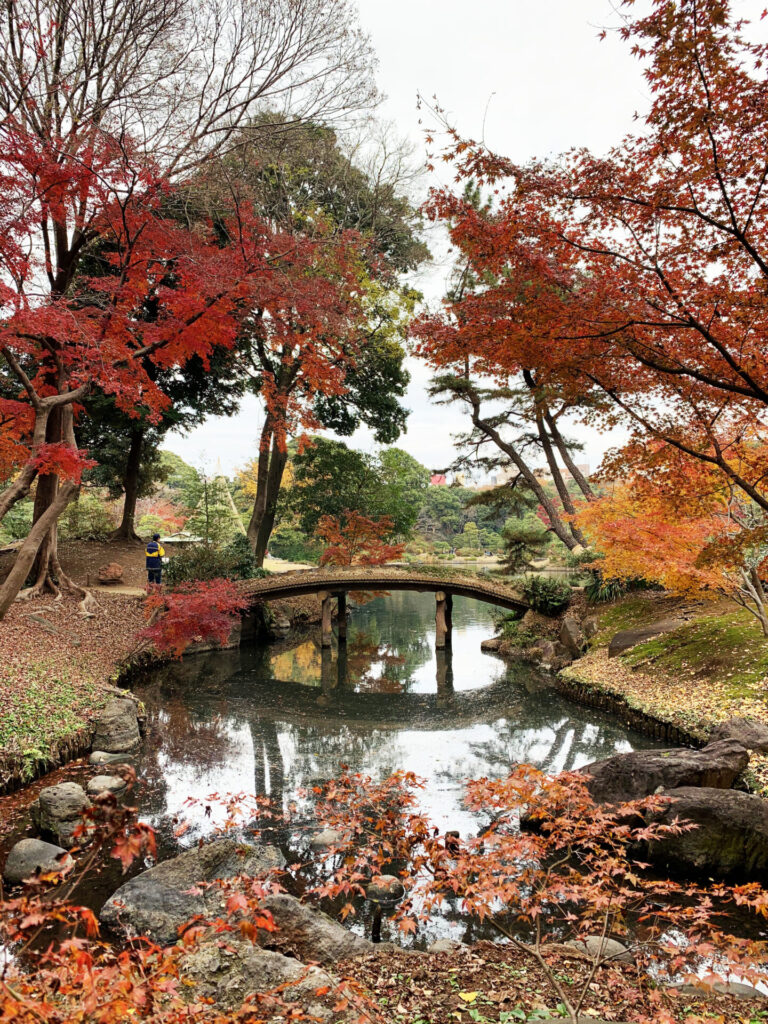
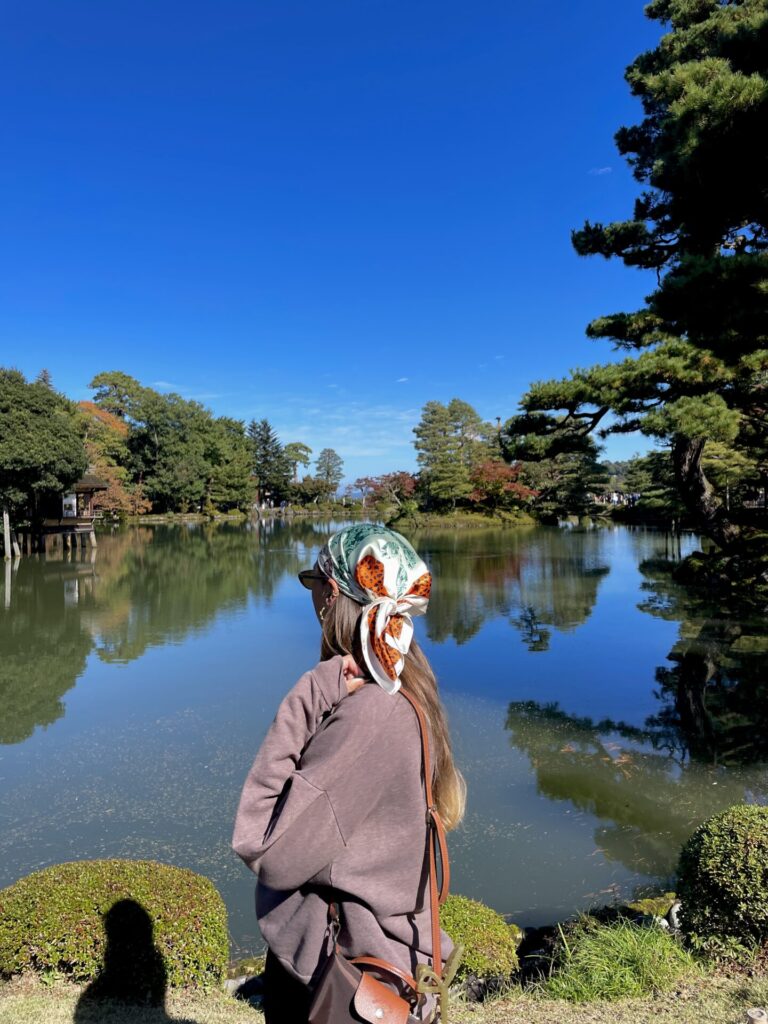
This is when I visited, in early November and I loved it. Most days were sunny with blue skies, and I was perfectly happy in jeans and a sweater (around 18°C / 64°F). On cooler days I’d pull out my coat, and we had a bit of rain too, but honestly I didn’t mind at all. Wandering through tiny alleyways with a cute umbrella, looking for my next bowl of ramen or fresh sushi was a vibe to be honest!
The fall colors, the cozy weather, the atmosphere it all just worked (Fall foliage in Japan is stunning!). I’d happily visit again in autumn.
Winter in Japan
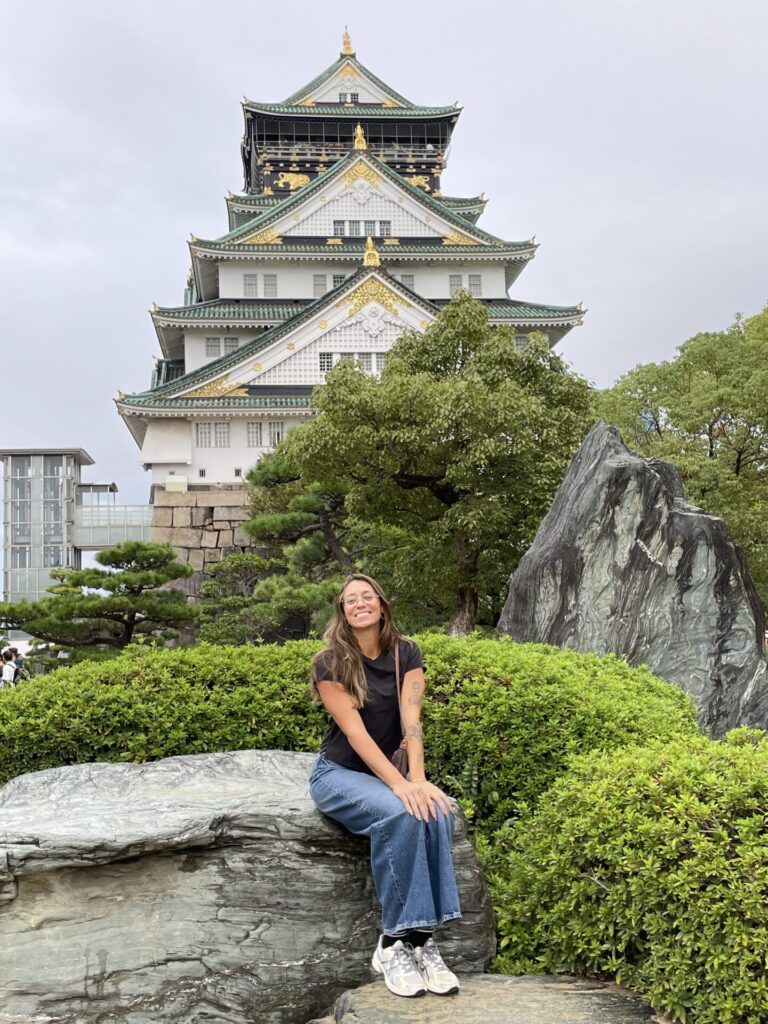
Winter is another strong contender for my next trip. Imagine Osaka Castle covered in snow, or a quiet Shinto shrine surrounded by snow covered gardens. It would be gorgeous.
Also, I love snowboarding and skiing, so the idea of doing 4–5 days in a Japanese ski resort and then another 10 days sightseeing sounds perfect. (And yes, ramen tastes even better when it’s cold and snowy outside, that’s a fact.)
What to Book in Advance for a Japan Trip
When I started planning my Japan trip, I put in a fair bit of research to figure out what I actually needed to book in advance and what I could just sort out on the spot. Here’s my quick list of the things I was happiest to book ahead of time:
Flights
I booked my flights pretty early. I was coming from Vietnam, so mine ended up being surprisingly cheap, but if you’re flying in from the US or Europe, definitely book as soon as you can. Prices jump fast. I usually use skyscanner.com for all my flights!
Hotels
Normally when I’m backpacking, I avoid booking too far ahead because I like having the freedom to change plans. Japan is a different story. Hotels were filling up and getting pricier by the week, so I booked everything in advance. I used Booking.com for all of my stays, and it worked perfectly.
Universal Studios Osaka
I was ridiculously excited for Universal Studios, so I made sure to grab my ticket and fast passes early. I booked everything through Klook (kind of the Japanese equivalent of Get Your Guide or Viator). Super easy. I’ll link it for you in the article.
Click Here: Tickets for Universal Studios Osaka


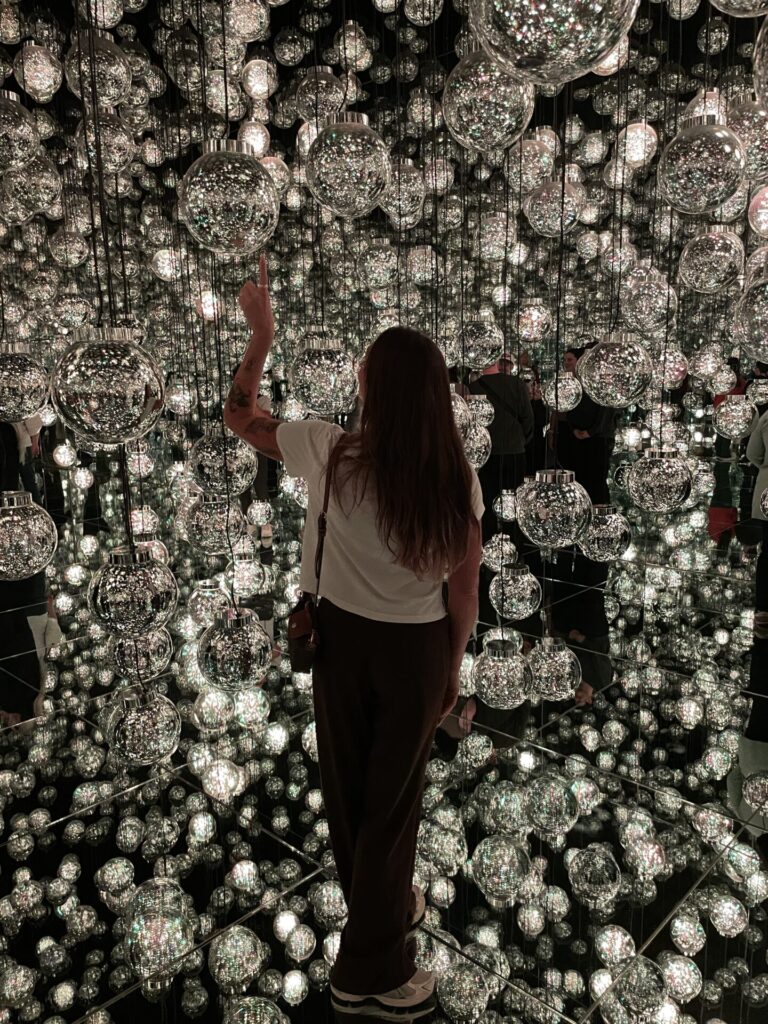
TeamLab Planets Tokyo
I did both TeamLab Planets and TeamLab Borderless, and in my opinion Planets is far better. Tickets sell out quickly, so book these as early as you can.
Click Here: Tickets TeamLab Plantes

Shibuya Sky Observatory & Tokyo Skytree
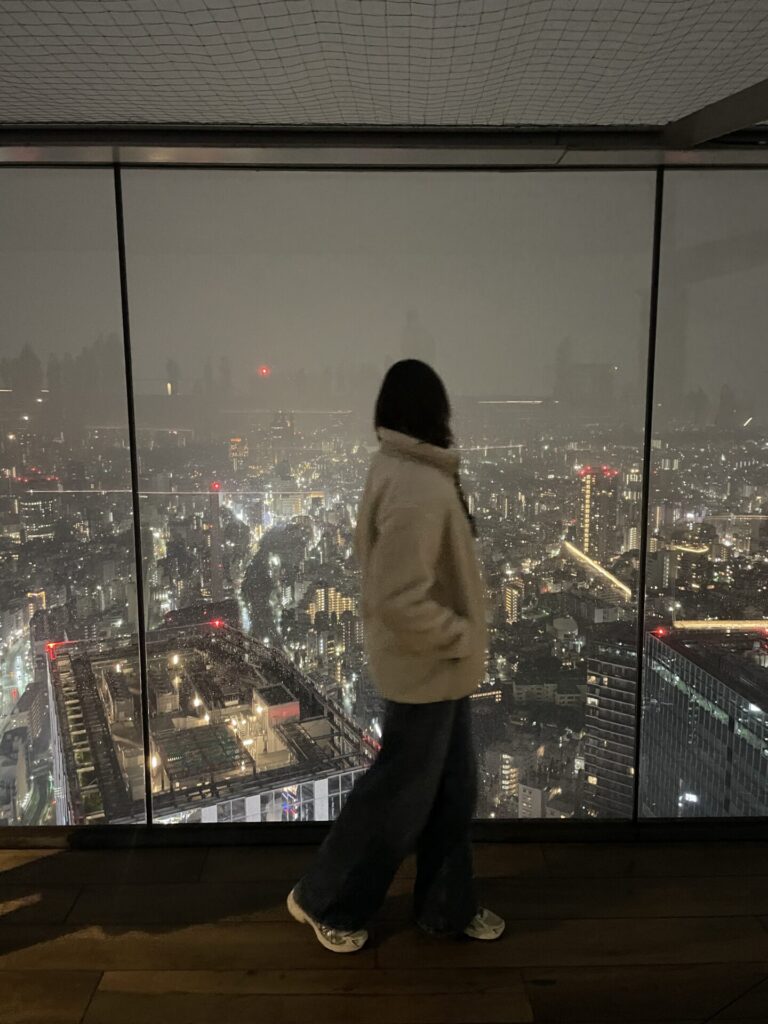
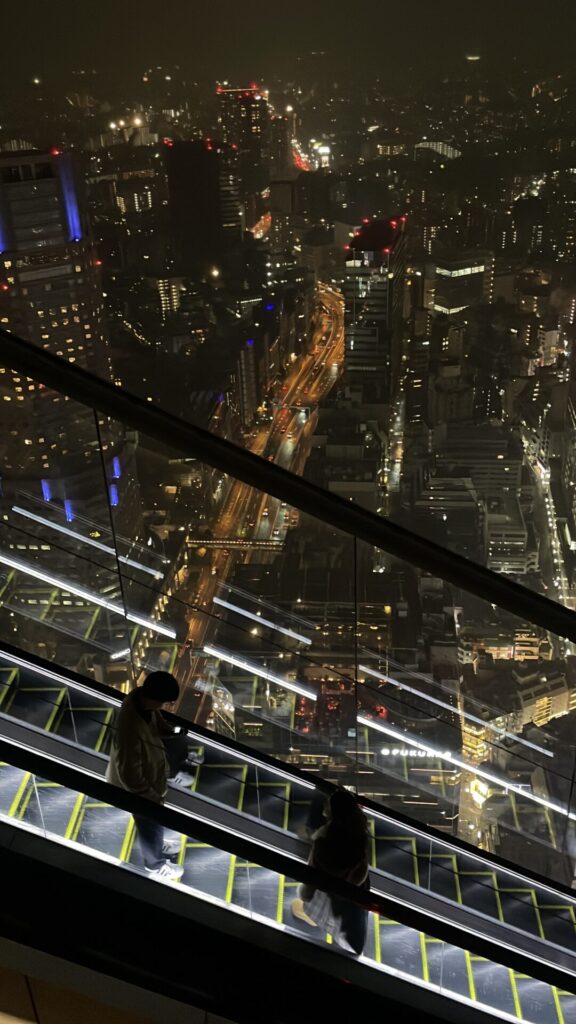
Both are worth visiting, but Shibuya Sky is the one you absolutely want to book ahead,especially if you’re aiming for a sunset slot. Skytree is usually easier to get on the day, but Shibuya Sky fills up fast.
Click Here: Tickets Tokyo Skytree
Click Here: Tickets Shibuya Sky Observatory
What You Don’t Need to Book in Advance
Shinkansen (Bullet Trains)
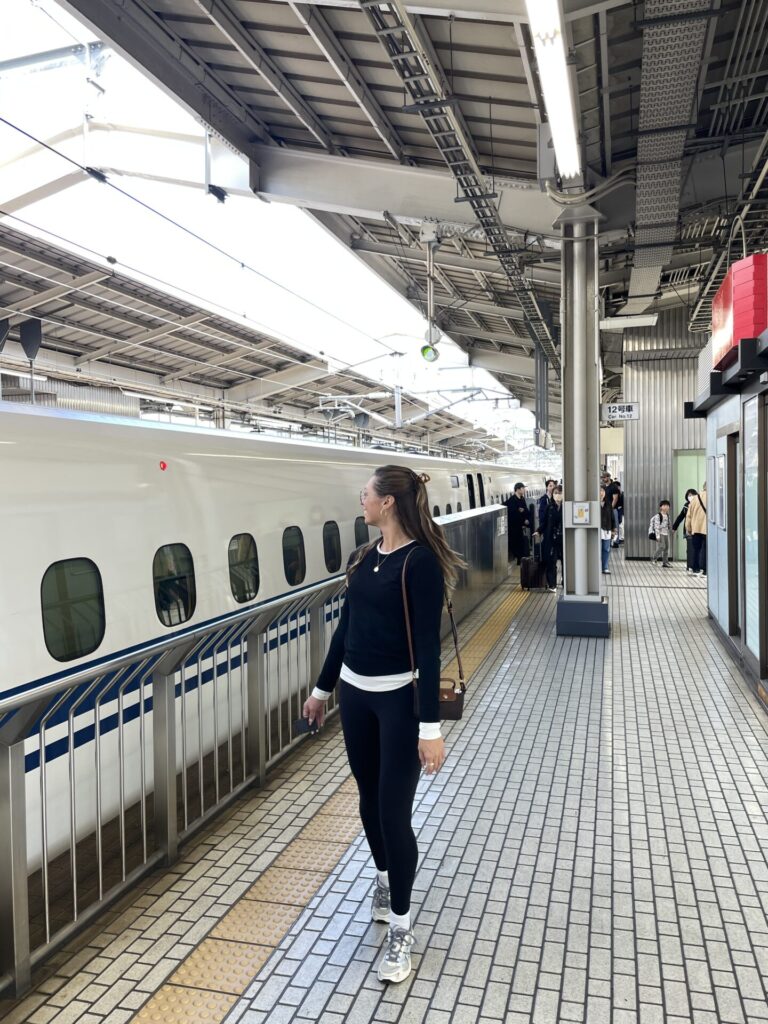
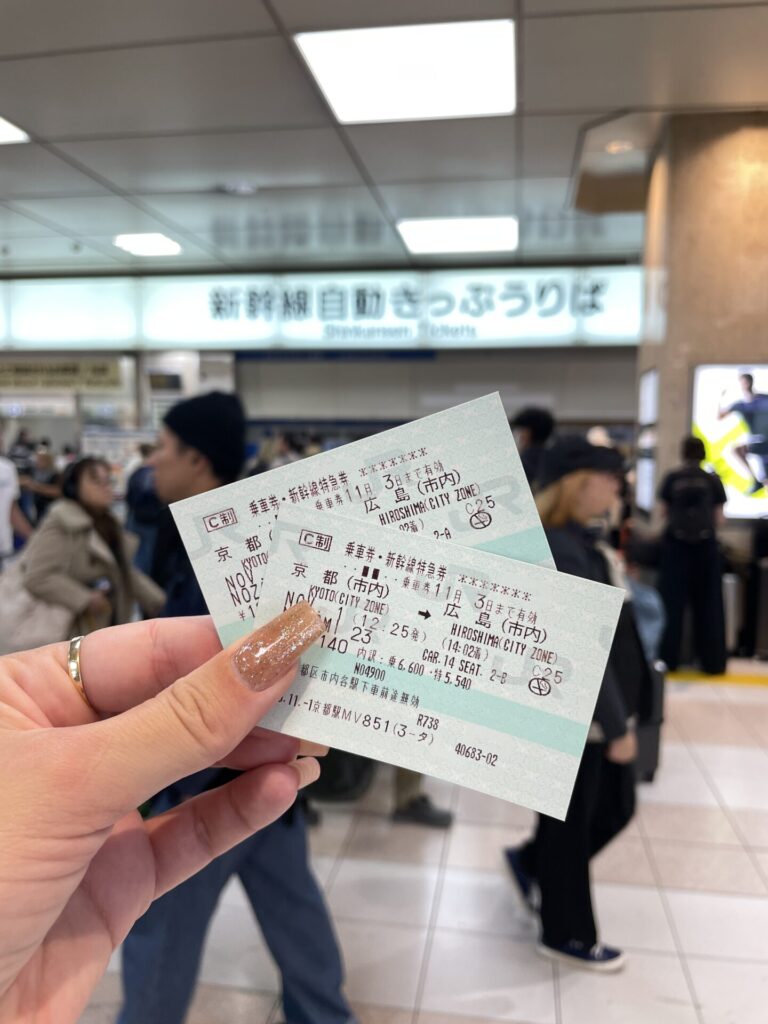
I never booked a single bullet train ahead of time. I just bought my tickets at the station, including seat reservations, and it was always straightforward. The only exception might be cherry blossom season when things get busier, so keep that in mind.
Dinner Reservations
Unless you’re planning something fancy or aiming for a specific high-end sushi spot, don’t bother. And honestly? Most of the viral food places are terrible. My least favourite was the famous udon carbonara, three hours in line for the most disappointing bowl of noodles. Skip the hype and wander into local spots instead. You’ll eat far better, and you won’t waste half your day in a queue.
What Apps to Download Before Visiting Japan
After visiting Japan, and then hopping over to South Korea and China, I can confidently say Japan is by far the easiest of the three to travel in. The main reason? Almost every app you already use works perfectly. Unlike China, where anything owned by Google or Meta basically turns into a decorative icon on your phone (trust me, it’s a headache), Japan is wonderfully straightforward.
I didn’t need to download much in advance because most of the apps I rely on day-to-day worked seamlessly. Google Maps was the one I used the most. It helped me find great restaurants, cafés, and little food spots all over Japan, honestly, some of my favourites popped up just by browsing the map. Public transport directions on Google Maps were also incredibly accurate, both within cities and for longer trips.
I also made sure to sort out an eSIM before my flight. I used Sim Local, and I really like their app, super easy to set up and it meant I was connected the moment I landed. (I have a whole article on Japan eSIMs if you want the full breakdown.)
For translations, I stuck with Apple Translate using the photo feature to read menus. There are apps out there that are technically better, but this one did the job well enough for me.
And lastly, make sure you get an IC Card. In Tokyo especially, it makes life so much easier for public transport. You just top it up and keep it in your phone wallet so you can tap in and out of the subway, and you can use it to pay at convenience stores too.
My Favorite Japan eSIM (Sim Local)
Japan, at least for me, definitely felt like a country where I needed to be a bit more prepared. It wasn’t one of those “rock up and wing it” destinations. I booked my hotels in advance, downloaded the apps I knew I’d need, loosely planned my days, and, very importantly, made sure my eSIM was set up before I even landed.
For this trip, and honestly for most of my travels around Asia this year, I’ve been using Sim Local. From Vietnam to Thailand to China, South Korea, and Japan, I’ve had a fantastic experience. I installed the eSIM ahead of time, and the moment I landed in Japan I was instantly connected, which felt incredibly clutch after a long flight.
Their app is super easy to use, installation takes a minute, and the connection has always been smooth. Right now I’m using their Asia Plan, which lets me hop between countries without changing anything, ideal for long-term travel. But they also offer shorter 1–2 week plans that are perfect if you’re just heading to Japan for a holiday.
👉 Click here to check out Sim Local and explore their plans
The Best Travel Insurance for Japan (Safetywing)
I’ve been on the road for almost seven years now, basically living out of a backpack, and for most of that time I’ve used SafetyWing. And honestly, I love them.
I used SafetyWing throughout Japan and across Asia, and I’ve only had positive experiences. Every claim I submitted was handled quickly and without fuss, and their customer service is genuinely the best I’ve ever had from any insurance company. That alone says a lot.
Click Here: Check out Plans and Pricing for Safetywing
Understanding Japan’s Transport System
Japan’s public transport system is honestly one of the best I’ve ever used. I never once struggled to get from A to B, every train was easy to book, easy to board, and shockingly punctual. I’ll have a full article on how to get around Japan soon, but here’s a quick overview to get you started.
Getting Around Japan
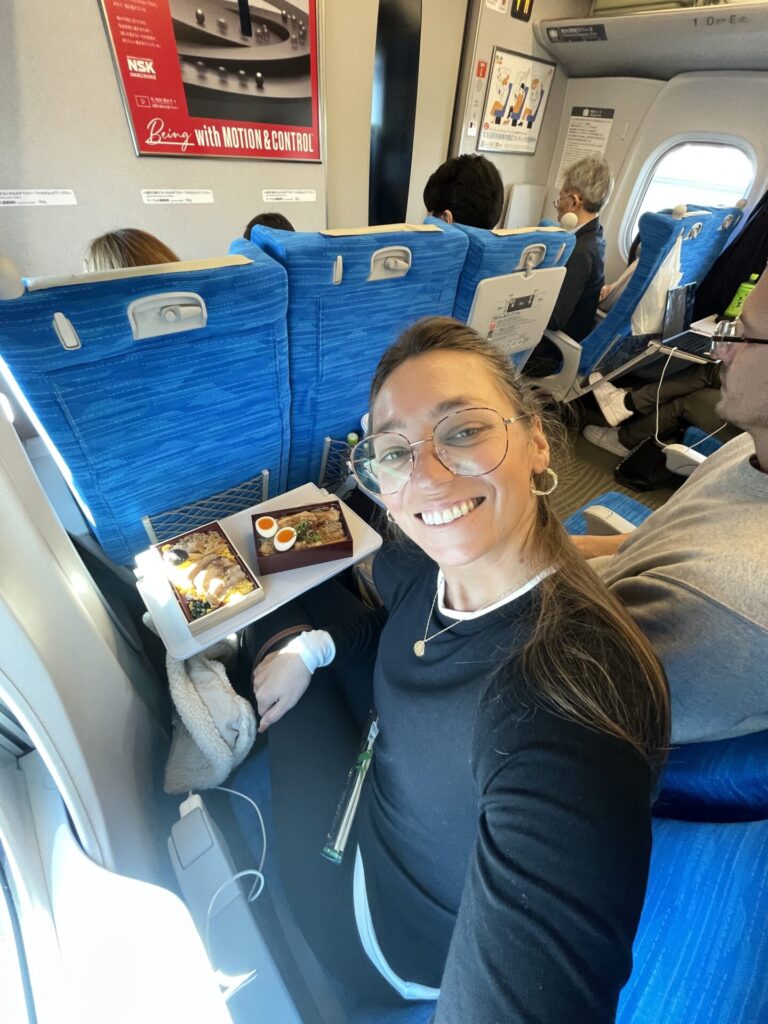
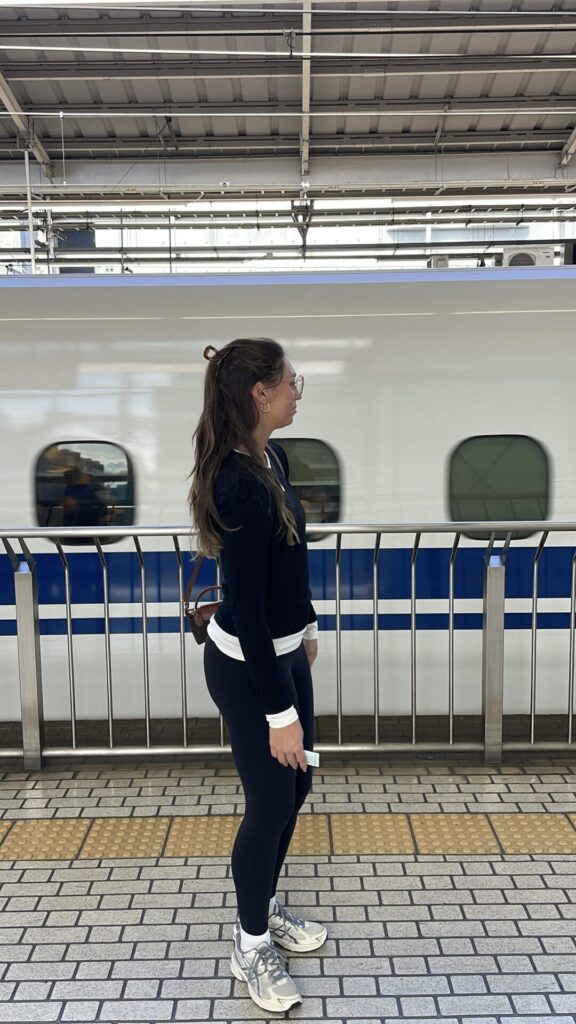
The most common way to travel around Japan is by train, and yes, that includes the famous bullet trains, the Shinkansen. These high-speed trains connect all the major cities like Tokyo, Osaka, Kyoto, Hiroshima, and Kanazawa. I always bought my tickets directly at the station and had zero issues getting a reserved seat.
For reference, the Shinkansen runs at up to 320 km/h (around 200 mph), so while it’s fast, longer routes (like Hiroshima round-trips) still take more time than you’d expect.
My Tips for Taking the Shinkansen
- Get a bento box at the station. It’s the classic Shinkansen experience, the little Japanese lunch boxes are delicious, and eating them on the train is basically a must.
- Factor in travel time, especially to Hiroshima. Even with bullet trains, some journeys just take longer than you’d imagine.
- Smaller towns are less connected. We originally planned to visit Takayama but cancelled because getting there would’ve taken too much time. For trips like that, I’d recommend renting a car.
- You don’t always need the Japan Rail Pass. I did the math for my itinerary and it wasn’t worth it since we only took a handful of Shinkansen trips. Individual tickets ended up being cheaper.
- Send your luggage ahead: Japan has an amazing luggage-forwarding service called Takkyubin (TA-Q-BIN), run by companies like Yamato Transport. Most hotels can arrange it for you. You simply hand your suitcase over at the reception, and they’ll send it to your next hotel so you can travel luggage-free. It usually arrives the next day, and it’s surprisingly affordable. I only had a backpack, so I didn’t use it myself, but if you’re traveling with big suitcases it’s a total game changer.
Where First-Timers Should Go (and Stay) in Japan
When I planned my Japan trip, I started with the three big ones: Osaka, Kyoto, and Tokyo. Those were my non-negotiables. I figured out how much time I wanted to spend in each city and then added extra stops based on what fit naturally.
If you only have 10 days, I honestly think those three cities are plenty. There’s so much to do in each that you won’t feel like you missed out.
If you have 12–14 days, then you can add an extra stop, maybe Hiroshima, Kanazawa, or even an overnight stay at Mount Fuji instead of rushing it as a day trip (which I loved).
To sum it up:
- Tokyo, Osaka, Kyoto → ideal core itinerary for first-timers
- Add Kanazawa → quieter, beautiful castle, incredible gardens, fewer tourists, great food
- Add Hiroshima → powerful history, excellent museums, and an important place to learn about Japan’s past
I have full “where to stay” guides for each city, but here are a few favorites to get you started:
Tokyo: Hotel Indigo Tokyo
Osaka: Hotel Intergate Osaka
Kyoto: Hotel Grand Bach Kyoto
Kanazawa: Hotel Kanazawa Zoushi
Hiroshima: Kiro Hiroshima
When it comes to food in Japan, I always feel like I need to start with a tiny disclaimer: yes, I’m obsessed. I loved every single meal I had in this country. But I’m also not a food scholar, and I’m sure there are a thousand dishes I haven’t even heard of yet. So this is simply what I ate and loved, and what I think you’ll love too.
The Best Food in Japan
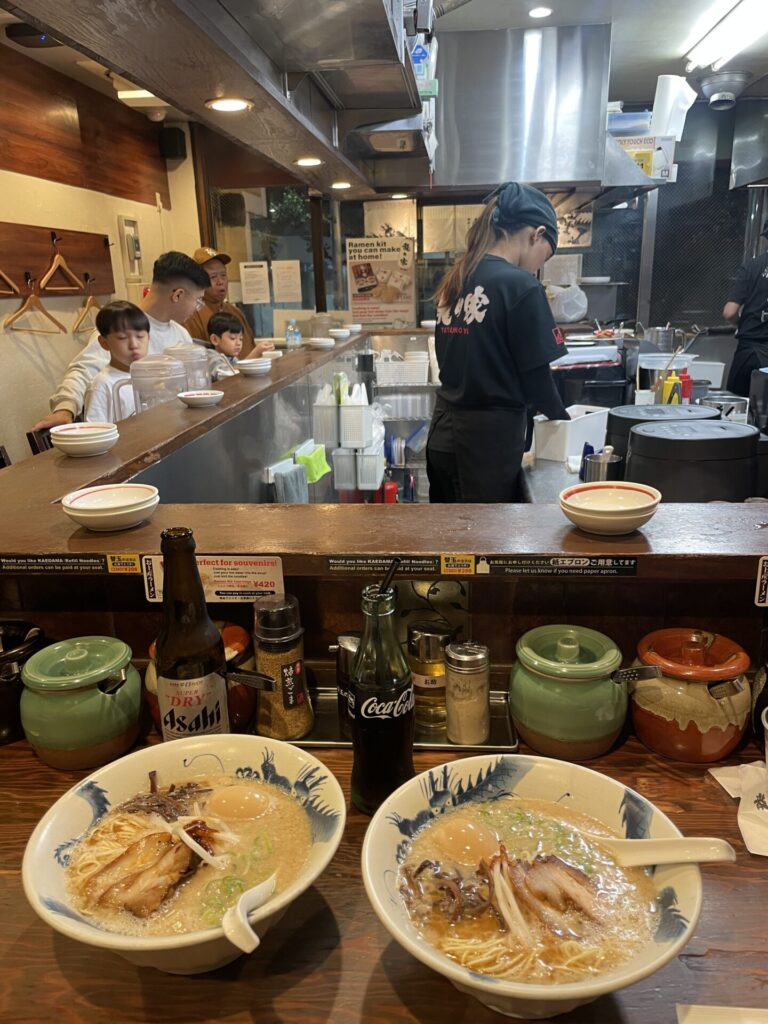
Ramen in Japan
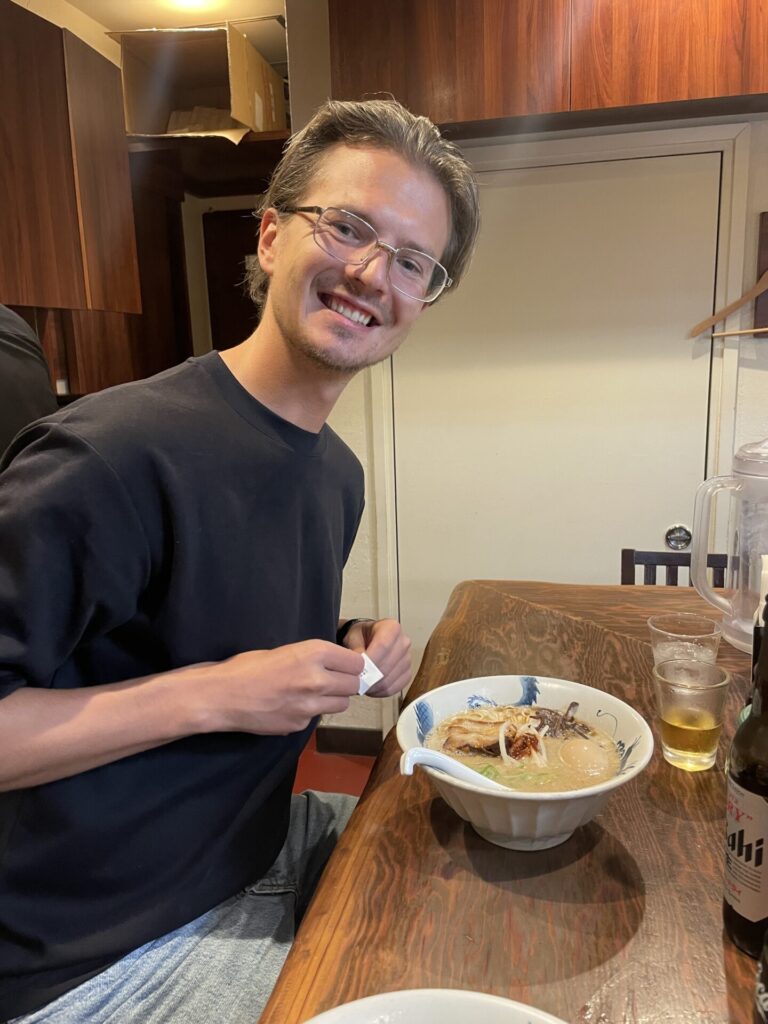
Ramen is one of my all-time favourite dishes, and Japan completely ruined me for ramen anywhere else. If you’re new to it, ramen is a noodle dish served either dry or, more commonly, in a rich broth. You’ll usually come across four main styles: shoyu (soy-based), shio (salt-based), miso (a thicker fermented soybean broth), and tonkotsu (a creamy pork-bone broth).
I gravitated mostly towards miso and tonkotsu on this trip, and honestly, every bowl was incredible.
Some of my favourite ramen spots in Japan:
- Ramen Tatsunoya Shinjuku Otakibashidōri (Tokyo)
- Ramen Taiga (Kanazawa)
- Ichiran (Osaka,Kyoto,Tokyo) – very touristy but still delicious.
Sushi in Japan
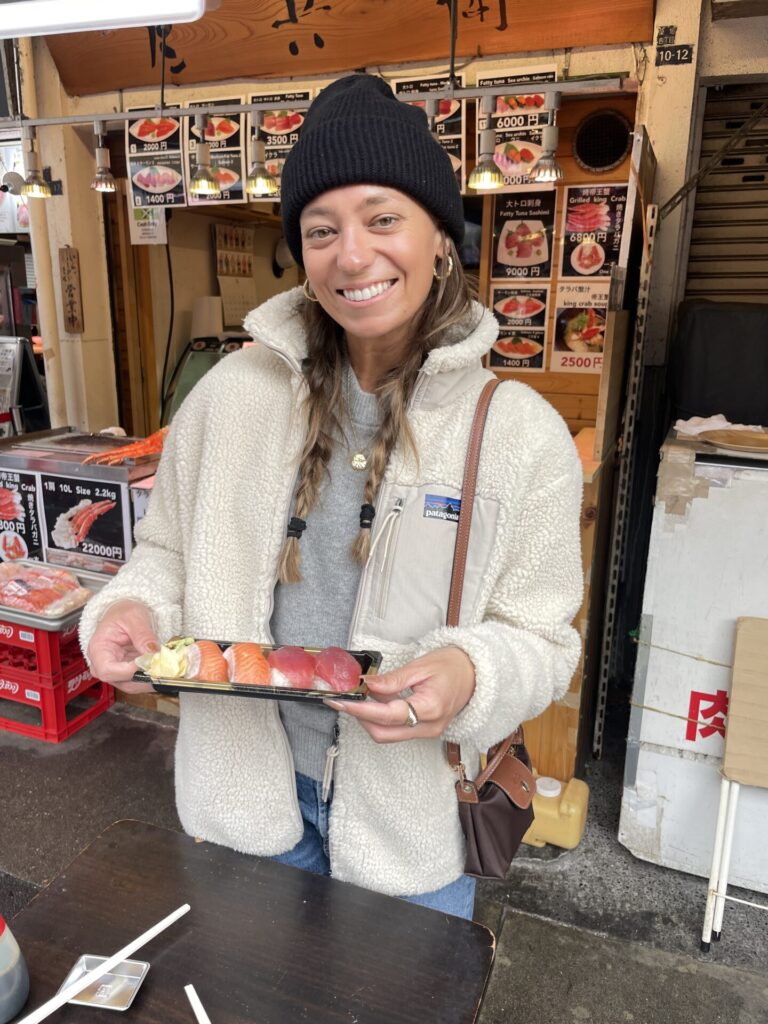
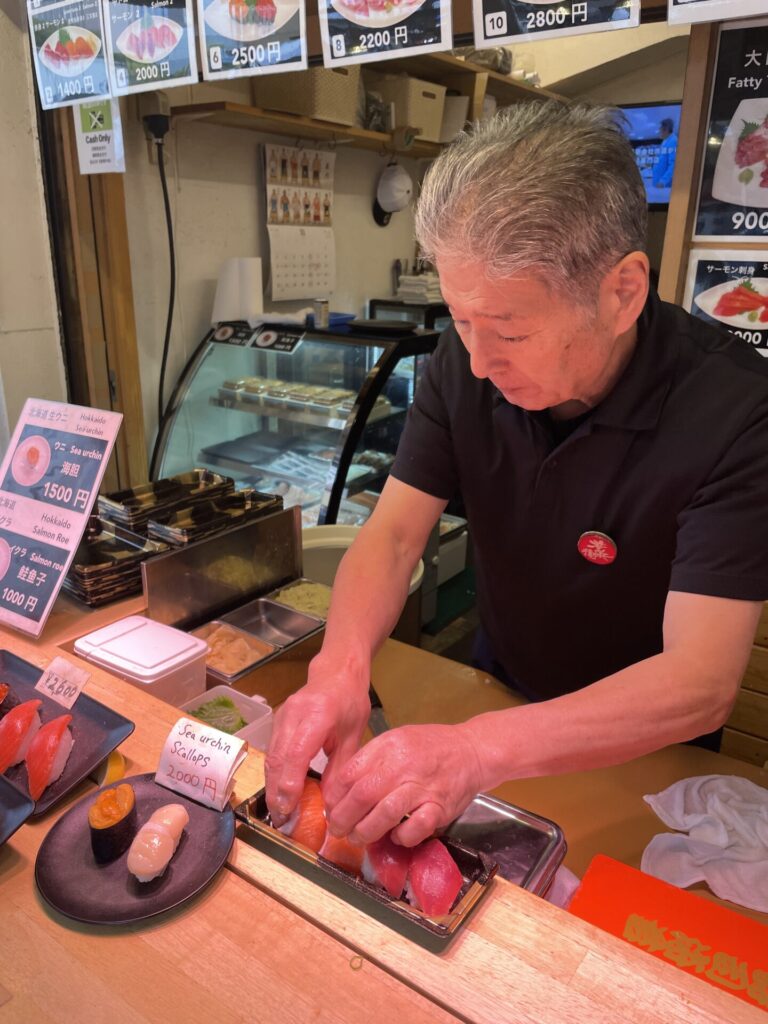
If you’re used to California rolls and spicy mayo, prepare for a full personality shift. Sushi in Japan is mostly nigiri (fish over rice) and sashimi (just the fish), sometimes simple maki, and almost never the inside-out rolls you see outside Japan. It’s minimal, fresh, and incredibly high quality.
I did a mix of omakase and casual sushi bars, and after this trip… Western sushi just doesn’t hit the same anymore. I honestly don’t know if I can go back to having western style sushi again because the sushi here in Japan is just that good!
My favourite sushi restaurants in Japan:
- Sushi Sukiyaki Tempura Restaurant Akamechan (Kanazawa)
- Sushi Bar Nigirite (Tokyo)
- Tsukiji Fish Market (Tokyo)
Other Japanese Dishes I Loved
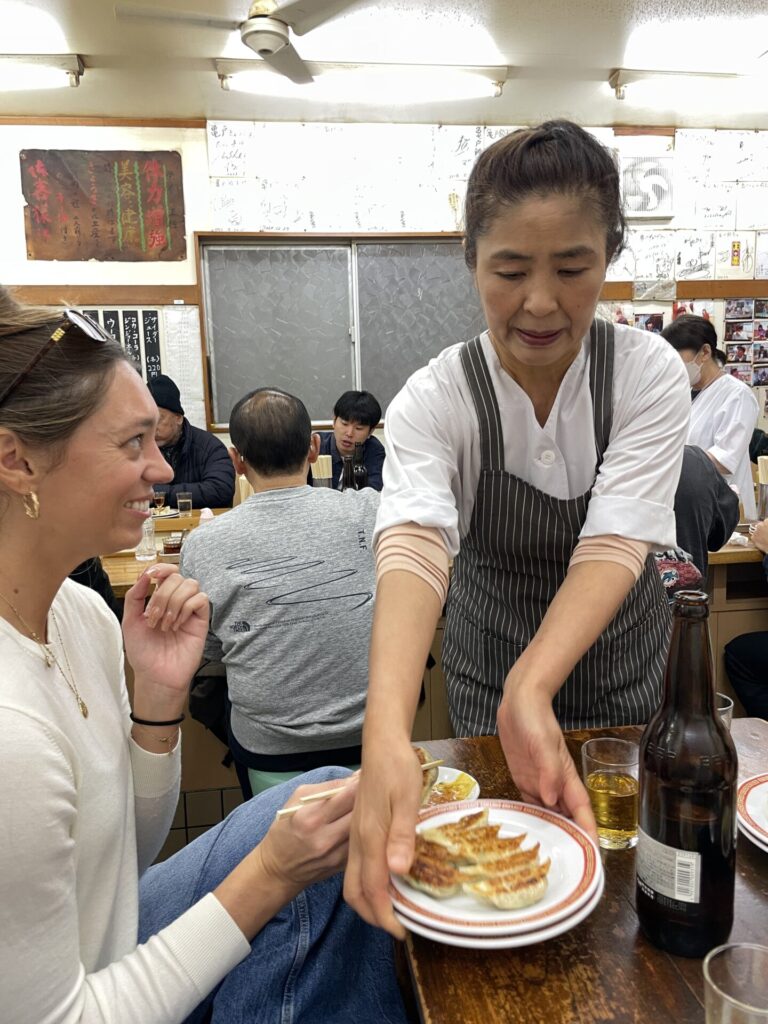
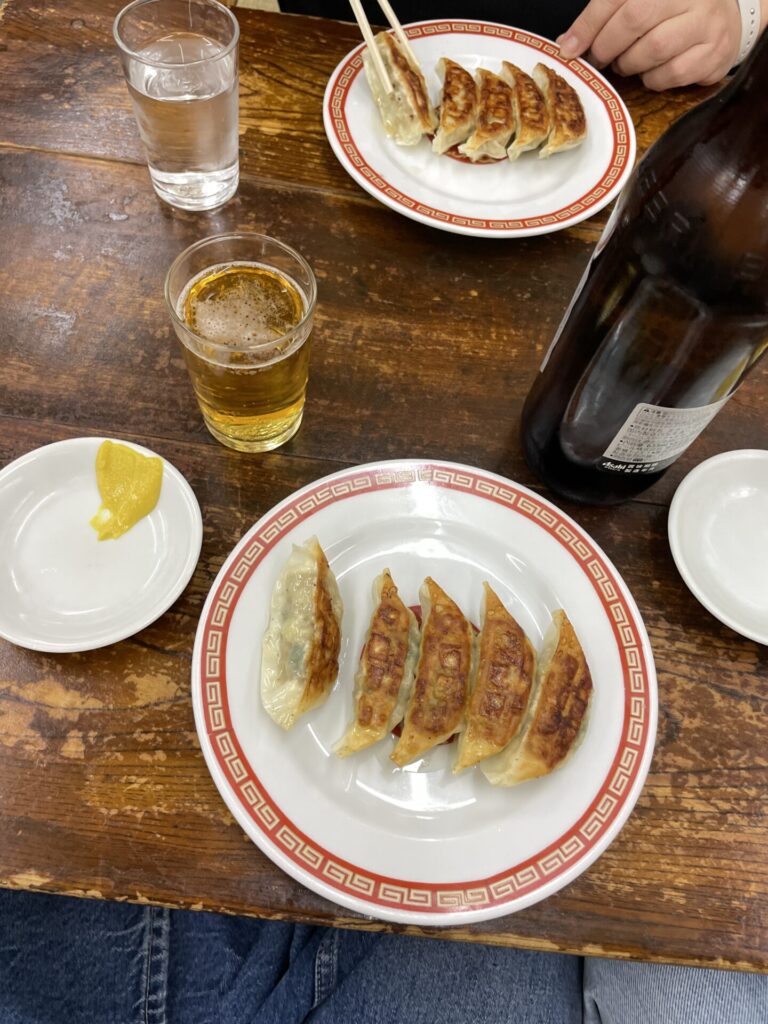
While ramen and sushi stole the show for me, I ate so many other amazing dishes along the way. I had crispy tonkatsu curry in Kanazawa, unforgettable gyoza in Tokyo, and in Hiroshima I tried their signature dish, okonomiyaki, a savoury, layered pancake with cabbage, noodles, egg, and your choice of toppings, cooked on a hot plate right in front of you.
I have a full Japan food guide where I rave about everything in detail, but for this travel guide, I’ll keep it short and let the highlights speak for themselves.
Japan Etiquette Cheat-Sheet
Japan has a few (very charming) quirks when it comes to etiquette. One of my friends calls it “the land of the no’s” because there are so many little rules you suddenly realise you’ve been breaking your whole time here. Here’s a quick cheat sheet to help you blend in and avoid any accidental faux pas:
- Don’t eat or drink while walking: This is the one that hurt my soul a little because I love grabbing a coffee and walking straight into my day. In Japan it’s frowned upon, so finish your drink or snack before you start moving.
- Keep your voice down: Public transport and public spaces are surprisingly quiet, even when they’re packed. Try not to talk loudly, take phone calls on the train, or be that one tourist yelling across the platform.
- Very few trash cans: This one really annoyed me too, to be honest. You’ll basically never find public bins, so you’ll have to carry your trash around until you reach your hotel or a convenience store. I started keeping a tiny plastic bag in my backpack and it saved my sanity.
- Stand on the correct side of escalators: In most of Japan (Tokyo included) you stand on the left and walk on the right. In Osaka, it’s the opposite because… Osaka does its own thing. Just follow the locals.
- Take your shoes off when required: Some restaurants, temples, and traditional accommodations will ask you to remove your shoes. If you see shoes neatly lined up at the entrance, that’s your clue.
- Don’t tip: Tipping isn’t a thing in Japan and can actually be considered rude. Just pay the exact amount, no need to add anything extra.
- Queue properly: Japan loves a good orderly line. Whether it’s the train platform, an elevator, or a ramen shop, join the queue and wait your turn. No sneaky line skipping.

Money + Payment Tips
Before my trip, I assumed everything in Japan would be tap-and-go and that I’d barely touch cash. Turns out… not quite. Japan is modern in many ways, but card payments aren’t universal, and I was surprised by how often I needed coins and bills. A good example: when I first landed and took the train into Osaka, the machine wanted cash for a physical ticket, until I realised I could just tap my credit card at the gate. So here are a few money tips based on what actually helped me.
1. Cash still matters.
In my experience, Japan is a mix of cash and card. I always kept a small stash of cash on me for cafés, small restaurants, and older ticket machines, but whenever card worked, I happily used it. It’s a bit of a balancing act, but you get used to it quickly.
2. ATMs are everywhere (and reliable).
At home, I wouldn’t rush to use a convenience-store ATM, but in Japan it’s totally normal. The ATMs in 7-Eleven and FamilyMart are reliable, foreign-card friendly, and where I always withdrew cash. They’re open late, too, which is handy when you realise you’re out of coins right before dinner.
3. Consider getting an IC card.
IC cards are reloadable transportation cards you can also use for small purchases. They’re incredibly convenient, especially in Tokyo where tapping in and out makes public transport much easier. I didn’t rely on mine heavily, most of the time my credit card worked fine, but some travellers swear by them. If you’re spending a lot of time in big cities, it’s worth picking one up.
4. No tipping.
As I’ve mentioned before, there’s no tipping in Japan (yes, I’m especially looking at my American readers). It’s considered rude, so just pay the amount shown and that’s that.
FAQs About Visiting Japan Travel
Are there vending machines in Japan?
Yes, so many. Japan has more vending machines than anywhere I’ve ever been, and they’re genuinely useful when you want a quick cold drink while exploring.
Is it easy to see Mount Fuji?
Honestly, not always. I tried for several days and didn’t get a single clear view. Seeing Mount Fuji really comes down to luck and weather, so think of it as a 50/50 chance on any given day.
Should I get the Japan Rail Pass?
In most cases, probably not. I did the math for my own trip, and even with multiple bullet train rides, buying individual tickets was cheaper than getting the full Japan Rail Pass. It really depends on your route, so double-check your itinerary.
Is fall foliage in Japan worth it?
Absolutely. I visited during peak season, and the temples, shrines, and castles surrounded by deep gold and burnt-orange leaves were beyond beautiful.
Is Japan worth visiting?
This feels like a trick question, yes, 100%. Japan is easily one of my favorite countries in the world and absolutely worth the trip.
Final Thoughts on This Japan Travel Guide
This one’s easy to wrap up because Japan truly is one of the most incredible countries I’ve ever explored. I loved the food, I loved the culture and the people, and I even loved the little rules and quirks that make Japan… Japan.
I don’t often leave a country already wanting to book a return trip, but Japan is the exception. I’d go back in a heartbeat to see more places, try more foods, and just soak up more of that endlessly fascinating atmosphere. It’s almost addictive, in the best and most obsessive way, and everyone I’ve met who’s been feels the same.
I hope this guide helped you get your bearings and figure out the basics. I have more in-depth articles covering pretty much every topic and destination I mentioned here, so definitely scroll down and check them out. Enjoy Japan!
Check Out My Other Tokyo Guides
Tokyo Travel Guide: Everything You Need to Know Before Visiting Tokyo
Is Tokyo Worth Visiting: My Honest Review
The Best Time to Visit Tokyo: Tokyos Seasons Explained
3 Day Itinerary Tokyo: How I Spent 3 Days in Tokyo
What to Eat in Tokyo: My Top Restaurants in Tokyo
How to Get Around in Tokyo: A Guide for Public Transportation in Tokyo
Is Tokyo expensive: My Budget Breakdown for Tokyo
1 Week in Tokyo: My 7 Day Tokyo Itinerary
Things to Do in Tokyo Japan: My Top Activities in Tokyo
Where to Stay in Tokyo: My Favorite Areas & Hotels in Tokyo
Tokyo Skytree vs. Shibuya Sky: Which one is better?
Teamlab Planets vs. Teamlab Borderless: My Honest Comparison
Check Out My Other Japan Travel Guides
Japan Travel Guide: Everything You Need to Know Before Visiting Japan
Best eSIM for Japan: My Honest Comparison
Is Japan Worth Visiting? My Honest Review
Is Japan Expensive to Visit? Japan Budget Guide
7 Days in Japan Itinerary: How I Spent 1 Week in Japan