Tokyo Travel Guide for First Timers: Everything You Need to Know Before Visiting Tokyo Japan in 2026
I finally made it to Tokyo and wow, I’m so glad I did. It’s official: Tokyo is one of the coolest and most fascinating cities I’ve visited this year, and honestly, one of the most impressive I’ve seen anywhere.
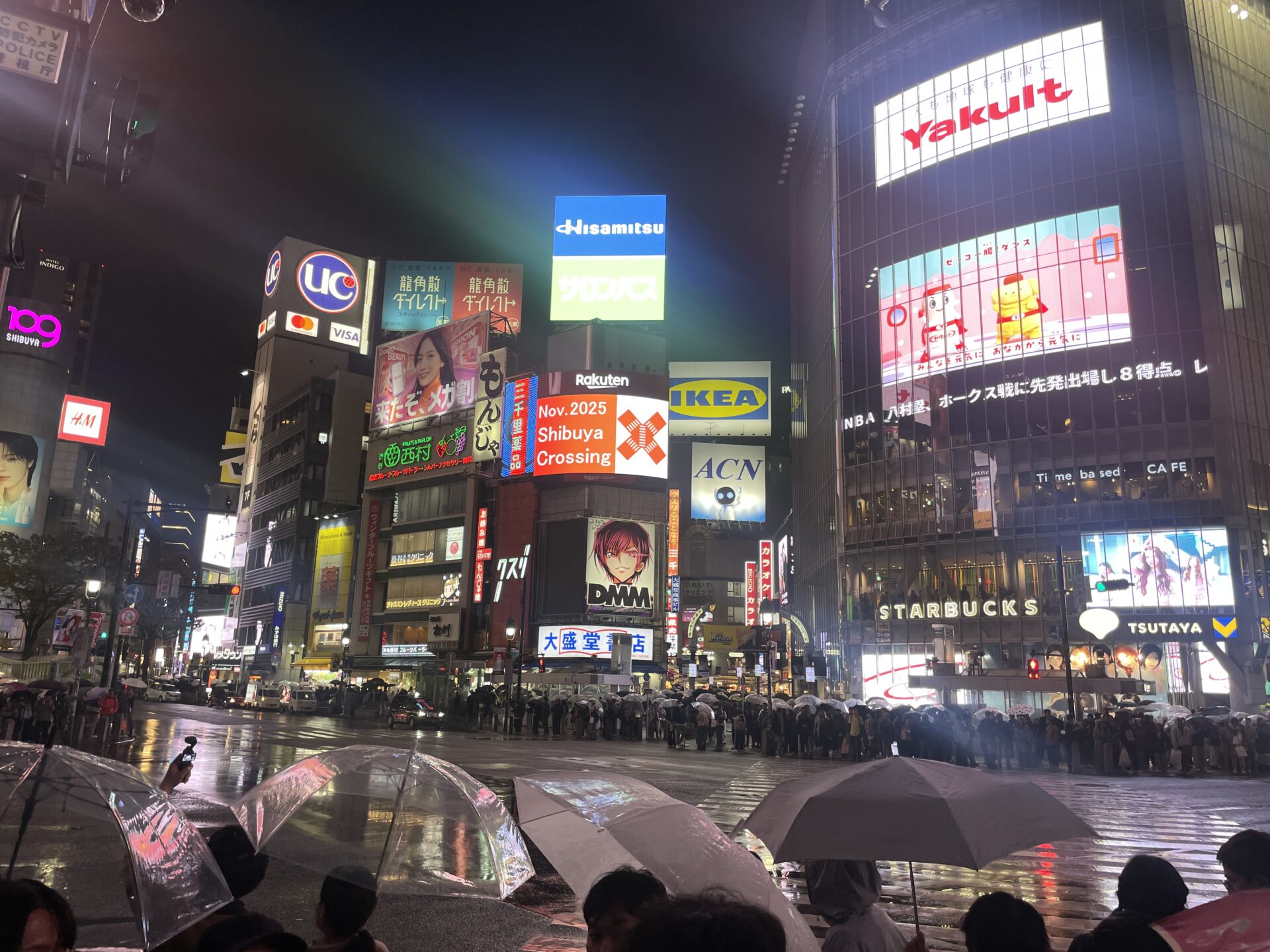
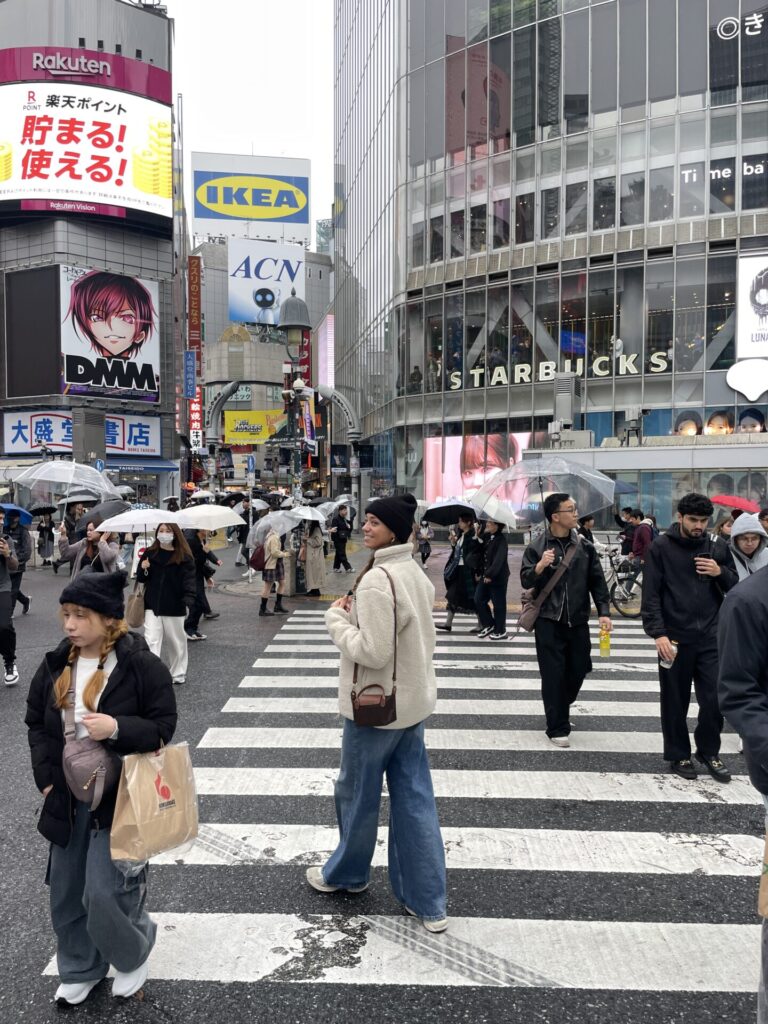
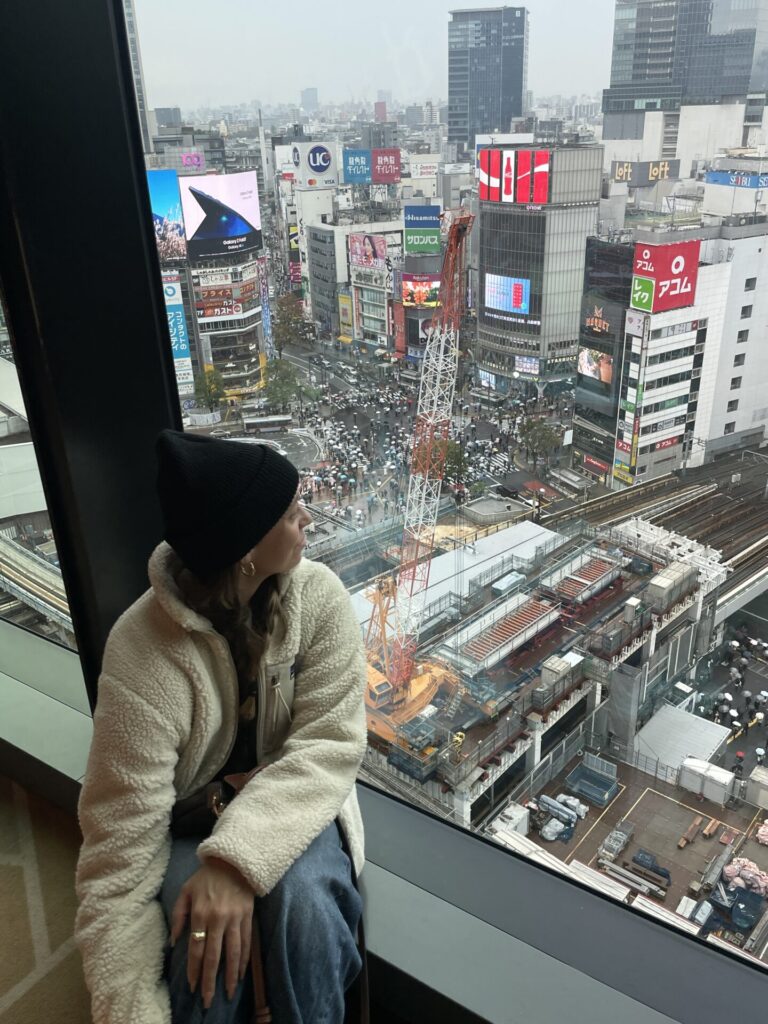
Japan is really blowing up as a tourist hot spot this year and now it totally makes sense to me why. Everyone I know wants to explore Japanese culture, food, and history, and Tokyo is the heart of it all. I visited recently and spent my days eating incredible sushi and ramen, wandering through peaceful temples, partying in Shibuya, and crossing the iconic Shibuya Scramble more times than I care to admit.
As much as I loved my time there, I’ll be honest and say Tokyo can feel like a lot, even for a seasoned traveler like me. Planning can get overwhelming fast, the city is huge, and information isn’t always straightforward. I definitely had moments where I stared at a train map like it was an abstract art piece.
But don’t stress. I’ve done the slightly chaotic first-timer experience for you, and now I can share everything I learned in this Tokyo travel guide. I’ll walk you through where to stay, how to get around, what to eat, the best things to do, what to skip, and all the little details I wish I’d known earlier.
This guide might get super long since there’s just so much to say about this city, but I promise to keep it helpful, clear, and as straight to the point as possible. Enjoy planning, and trust me, Tokyo is worth every minute.
In a Rush? Here Are Our Favorite Hotels in Tokyo Japan
⭐️⭐️⭐️ Hotel Indigo Tokyo Shibuya – Click here for rates & availability
⭐️⭐️ Shibuya Tokyu REI Hotel – Click here for rates & availability
⭐️ Hotel Gracery Shinjuku – Click here for rates & availability
Tokyo Travel Guide – My Experience
Tokyo was one of those places that immediately pulled me in. We spent almost a week in the city, partly exploring with GO Tokyo, the official tourism board, and partly doing our own thing, and that combination gave me such a good feel for it. Having a local guide for some of it honestly helped a lot; we learned things I definitely wouldn’t have figured out on my own.
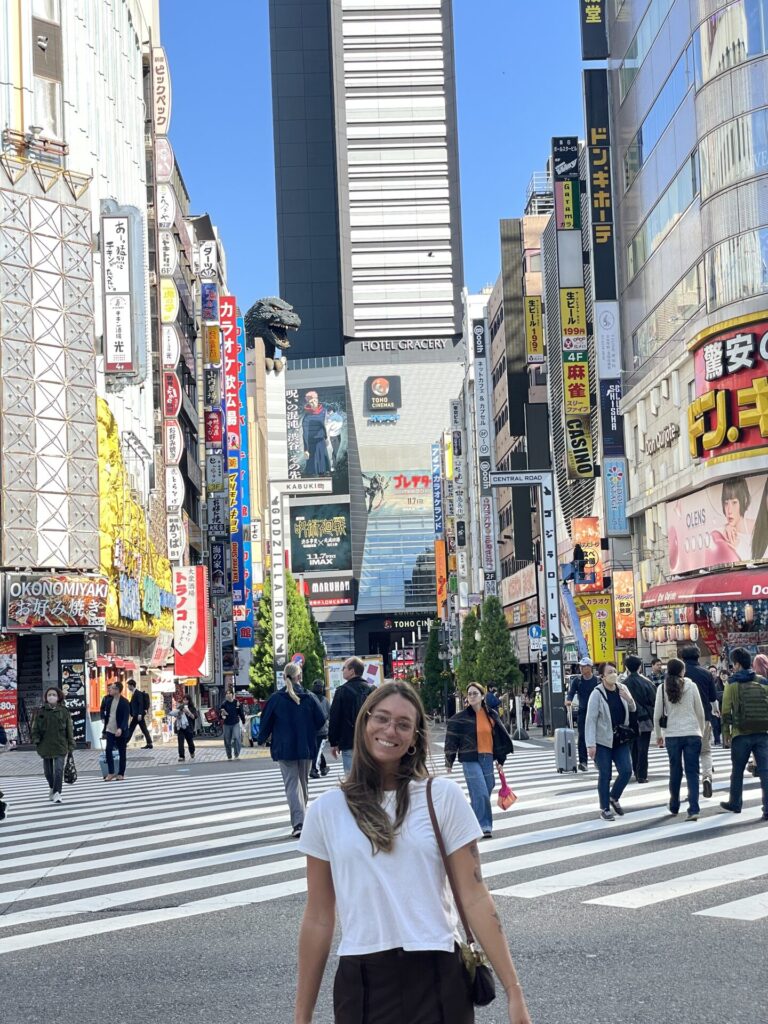
It was also the last stop on our Japan trip, and I’m really glad we saved it for the end. By then I was already used to the pace of Japan, so Tokyo didn’t hit me as overwhelmingly as it does for many first-timers. We based ourselves in Shinjuku, right in the middle of all the noise, neon, nightlife, and general chaos, which I weirdly loved. And yes, we stayed at the Godzilla Hotel, which was ridiculous in the best possible way. More on that later.
I spent a lot of time in Shibuya too, mostly shopping and accidentally crossing the scramble crossing a dozen times. I even found a great little photo spot I’ll share later, one of the only quiet viewpoints I found in the whole area. We also did both teamLab exhibitions, visited Senso-ji, wandered the fish market, and ticked off the big observatories like Tokyo Skytree and Shibuya Sky. Between all of that, I basically tried to eat my way through the city.
And honestly, the food is what stuck with me the most. The sushi, the ramen, the gyoza, everything I ate in Tokyo was on another level. I’ll share my favourite spots below because there were some that I’m still thinking about.
Even now, trying to put everything into words, I can feel myself getting a little overwhelmed, but in a very Tokyo way. There’s just so much happening at once, and somehow it all works. It’s a lot, but it’s also incredible.
The Best Time to Visit Tokyo Japan
The best time to visit Tokyo really depends on what you want from your trip, but there are definitely a few things to keep in mind. I visited in early November, and honestly, I loved it. When we visited we had a mix of sunny, cloudy, and rainy days and let me tell you, Tokyo with an umbrella in gloomy weather is a vibe! I was wearing a coat most of the time and honestly, I’ll take that over sweating in the heat any day.
Winter in Tokyo (December – February)
Winter, in my opinion, is often underrated in Tokyo and Japan in general. Yes, it can get cold, and there’s occasionally some rain, but there’s something special about crisp air, maybe even a dusting of snow, and seeing the city transform. Coming into a tiny local ramen spot from the cold and slurping on hot noodles, that’s exactly the kind of moment that makes winter worth it.
Spring in Tokyo (March – May)
Spring is, unsurprisingly, the most popular time to visit. Personally, I prefer cooler temperatures and sunshine, so being able to explore in a light jacket without sweating is ideal. Of course, the big draw is cherry blossom season at this time of the year. It’s stunning, but it also means crowds. Plan ahead if you want to enjoy it without feeling completely squished. I’m already planning on coming back to Japan and it will most likely be during cherry blossom season!
Summer in Tokyo (June – August)
Summer in Tokyo is not my favorite, if I’m being honest with me. The city is mostly concrete, cars, and crowded metros, and it gets hot, humid, and exhausting. If you’re planning to visit Okinawa Japan or other coastal areas, summer can work, but for just Tokyo, Kyoto, and Osaka, I’d skip it. Exploring in the heat isn’t exactly fun.
Fall (Autumn) in Tokyo (September – November)
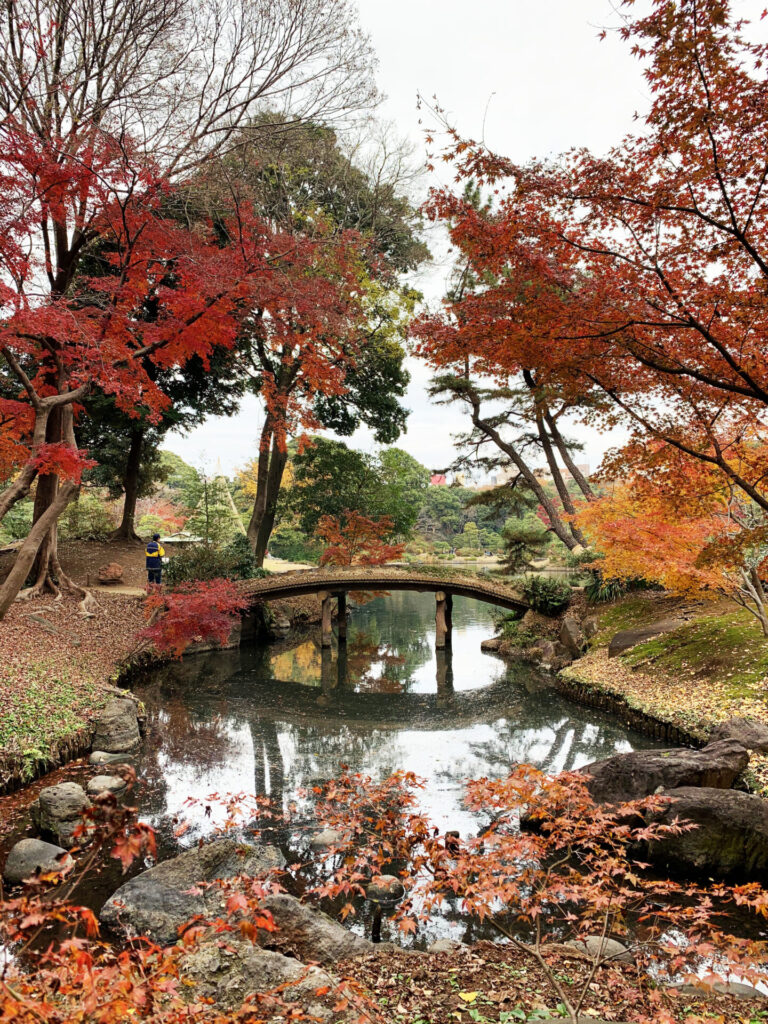
Fall is when I visited, and it was perfect, at least for me. I honestly had the most amazing time in the fall. The city was full of autumn colors, which I found just as beautiful as cherry blossoms. I wore a coat most days, and the mix of rain, clouds, and sunshine made exploring on foot and by public transport comfortable. I didn’t mind the rainy, gloomy days at all, wandering Tokyo’s alleys on the hunt for a local sushi bar while it drizzled on my umbrella was actually kind of a vibe.
Best Areas & Hotels to Stay in Tokyo, Japan
I spent almost a week in Tokyo and explored a few different neighborhoods and hotels, so I can give you some honest recommendations. Tokyo has a ton of areas to stay in, but listing them all would just be overwhelming. Instead, I’ll focus on the three neighborhoods I think make the most sense for first-timers: Shinjuku, Shibuya, and Harajuku.
Shinjuku (Great Nightlife + Food in Tokyo)
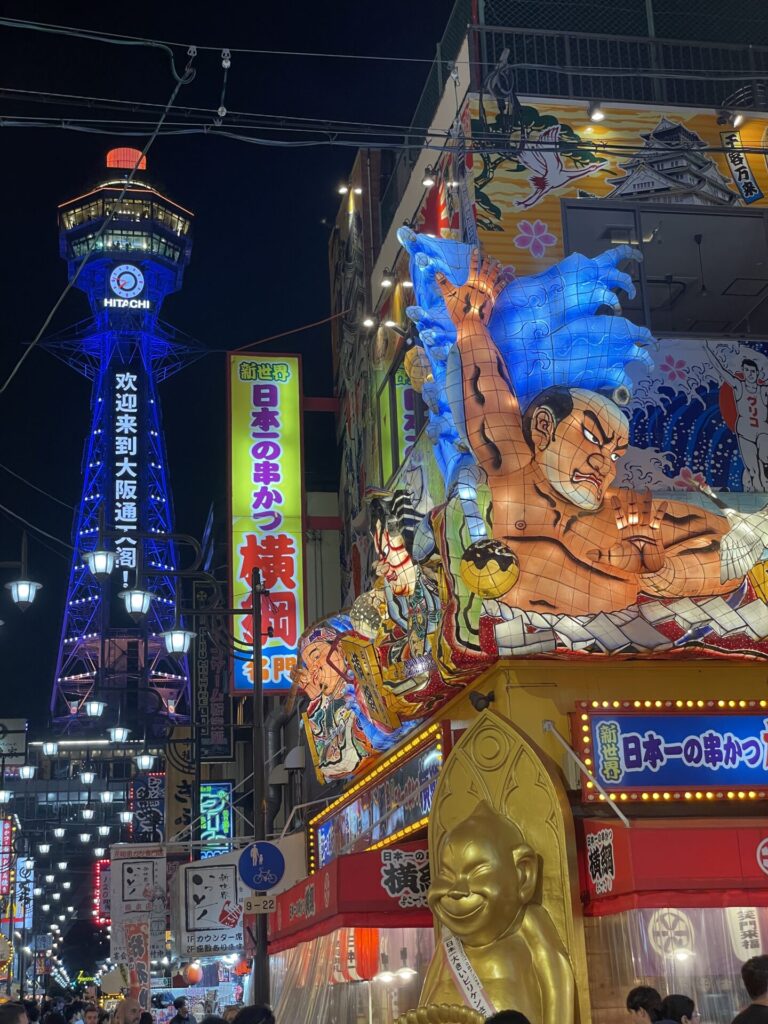
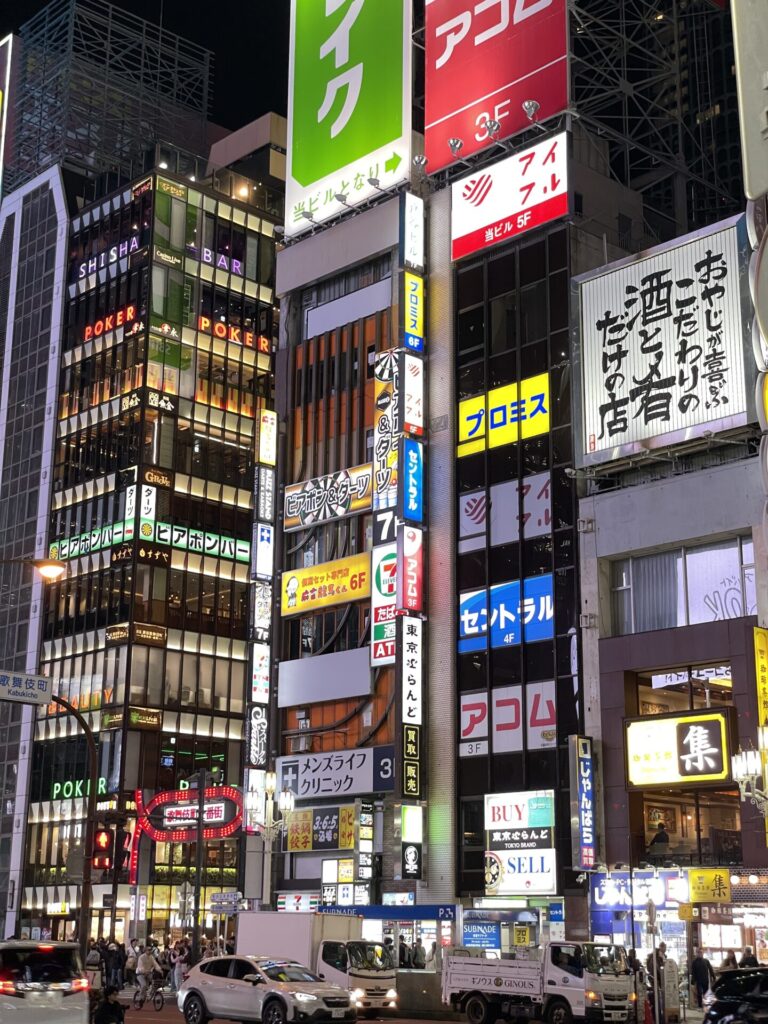
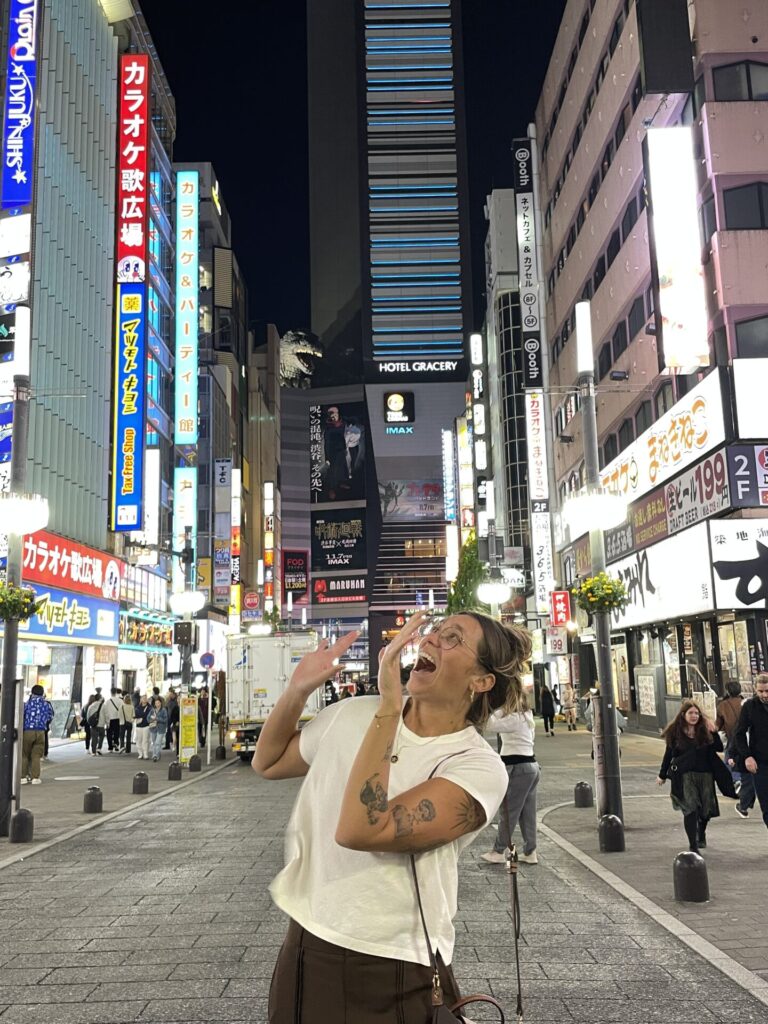
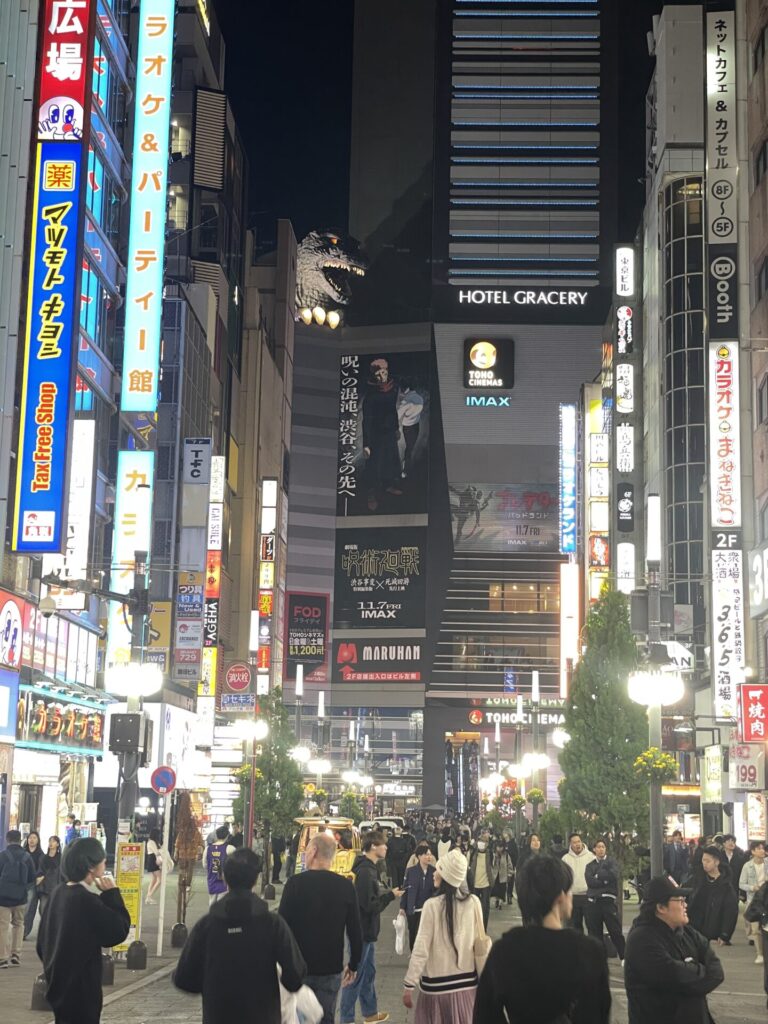
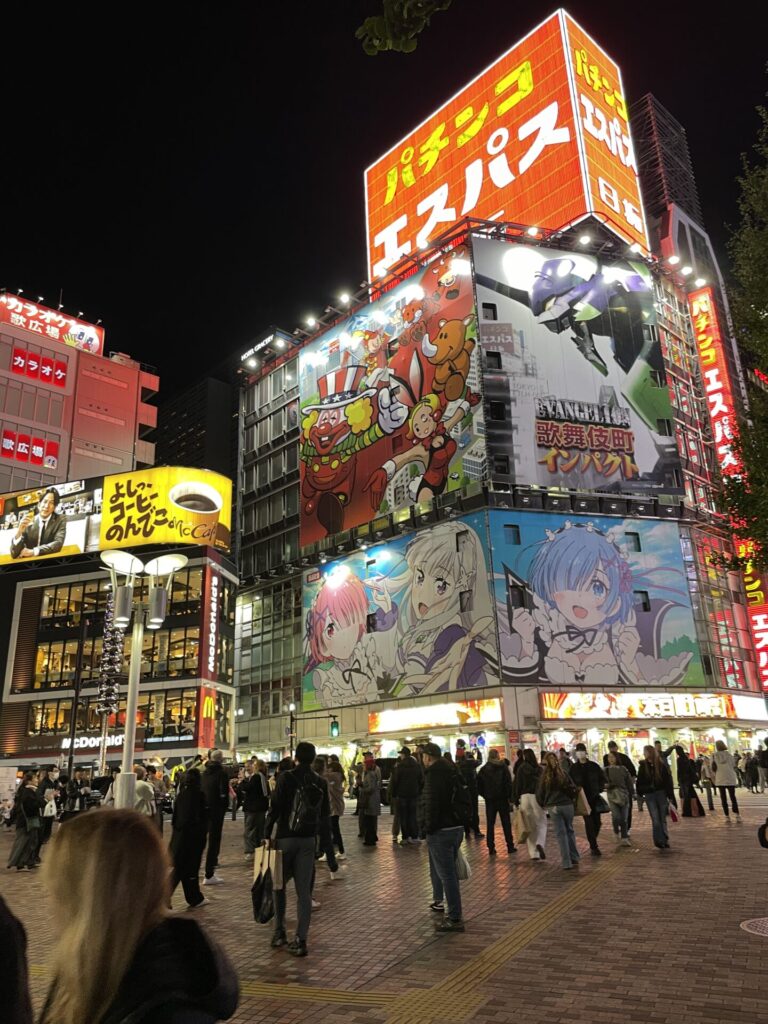
I personally had a blast staying in Shinjuku. For someone visiting Tokyo for the first time, it felt exactly like what I imagined Tokyo would be: neon signs everywhere, food and shops on every corner, and a constant buzz of people. It’s definitely busy, and it’s also the red-light district, so I wouldn’t want to live there long-term, but for a few nights, it’s perfect. Staying at the Gracery Hotel, also known as the Godzilla Hotel, made it even more fun. Yes I actually stayed at that hotel and the Godzilla was right outside my window which was hilarious!
Best Hotels in Shinjuku:
Click Here: Shinjuku Prince Hotel
Click Here: Hotel Gracery Shinjuku
Shibuya (Great Location + Shopping)
Next up was Shibuya, famous for the scramble crossing you’ve probably seen in every Tokyo photo ever. I loved staying here too since the metro access made getting around easy, there’s incredible food, and it’s a shopping paradise. I actually did all my Christmas shopping here. We stayed at the Shibuya Tokyu REI Hotel, which had super comfortable beds and a great location. I can highly recommend it because Shibuya was exactly what I wanted Tokyo to be and what I imagined Tokyo would be like!
Best Hotels in Shibuya:
Click Here: Hotel Indigo Shibuya
Click Here: Shibuya Tokyu REI Hotel
Harajuku
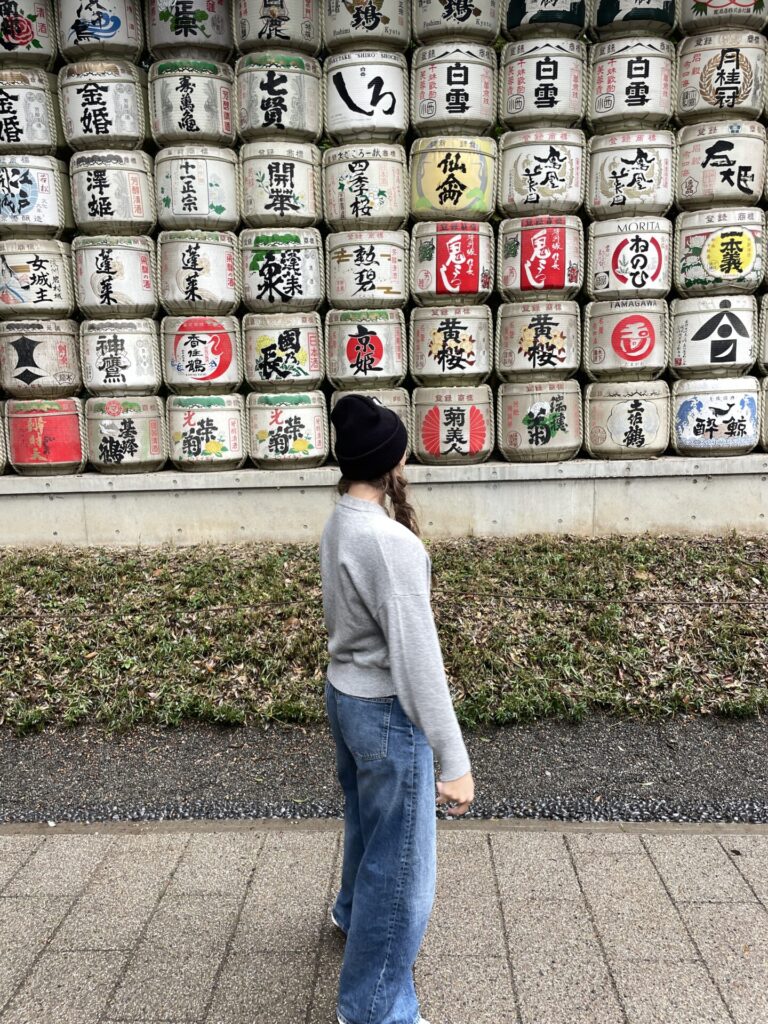
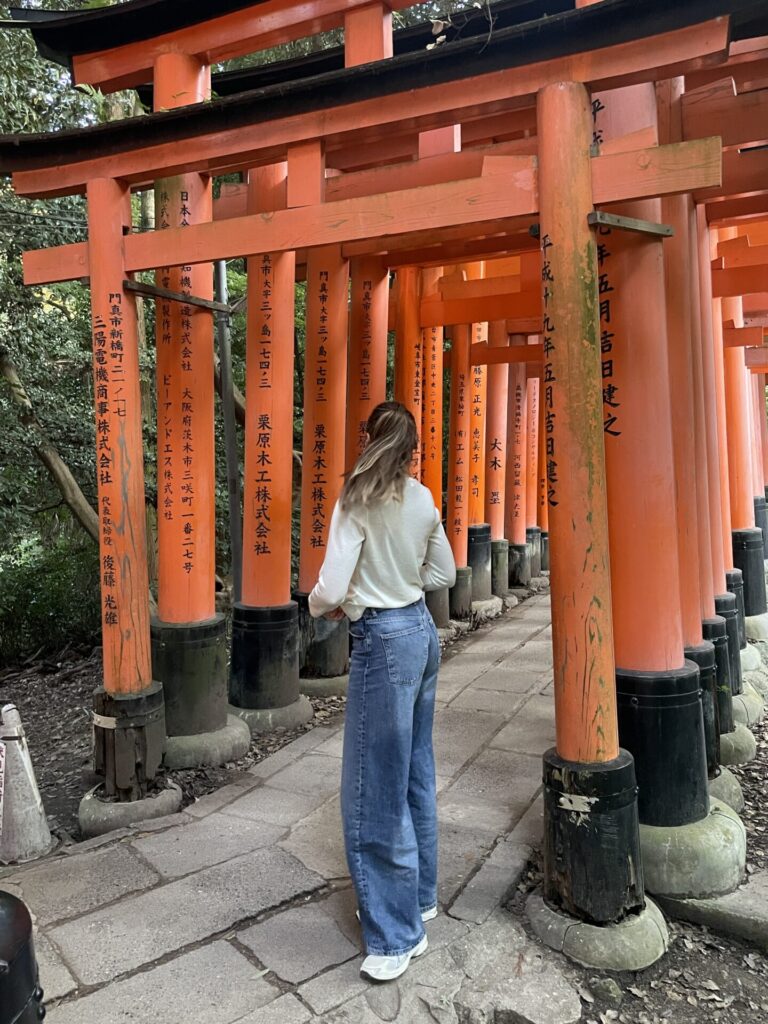
I didn’t stay in Harajuku, but I really liked the area when we explored it. It’s close to Shibuya and Shinjuku, so it’s easy to get around, and the metro connections make exploring the rest of Tokyo simple. Harajuku is full of cute cafes, fun shops, and also home to one of my favorite temples in Tokyo: Meiji Jingu.
Best Hotels in Harajuku:
Click Here: The Aoyama Grand Hotel
Click Here: Nihon Seinenkan Hotel
Best eSIM for Japan Tokyo (Staying Connected in Tokyo Is Key)
I have to say, as a foreign tourist in Tokyo I relied heavily on having data on my phone. I needed it for everything, from figuring out directions as I wandered through different neighbourhoods to checking metro routes on Google Maps (which was always spot-on, by the way). And then there were all the other daily essentials: finding the next place to eat on Tabelog, translating signs and menus, checking my banking apps… all of it required constant connection.
And honestly? You’d think Japan, being as modern as it is, would have free Wi-Fi everywhere. That was not my experience at all.
I’ve used Sim Local for all my recent trips around Asia such as Japan, South Korea, China and Thailand, and it’s been flawless every time. Their app makes setting up the eSIM ridiculously easy, and once it’s active, the connection was more than stable enough to even hotspot myself on my laptop. I got actual work done on long train rides thanks to it, which felt like a minor miracle.
So if you want stress-free data from the moment you land, I highly recommend getting an eSIM from Sim Local.
Click here to check out Sim Local and use my discount code GIRLONAZEBRA for a little extra off.

ATMs, IC Cards & Money Tips for Tokyo
ATMs & Cash
I used a mix of cash and card payments while in Tokyo, and I was honestly a bit surprised by how cash-reliant Japan still is. From ticket machines at the metro to some restaurants, street vendors, and even vending machines, cash was needed in all sorts of situations. That said, it’s really easy to get cash when you need it since every convenience store (konbini) like 7-Eleven, Lawson, and Family Mart has reliable ATMs inside, so topping up was no problem.
IC Cards
Before visiting, everyone told me to get an IC card which is basically a digital prepaid card you can add to your iPhone wallet or physical card you can tap at train stations, the metro, vending machines, and even convenience stores. They’re convenient, but I honestly got by just buying individual train tickets or tapping my credit card where I could. That said, in Tokyo specifically, having an IC card like Suica or Pasmo makes hopping on and off the metro way easier, so I do recommend getting one.
Card Payments
Most restaurants, shops, and bigger stores accept credit cards, but smaller places, street stalls, and some traditional restaurants often do not. I always kept a bit of cash on me just in case, which saved me a few awkward moments.
Tipping & Other Money Customs
Tipping is not expected in Japan and is actually considered rude in most situations. Instead, the price you see is what you pay, and service is included. If you really want to leave a small token of appreciation, some places might accept it if you hand it discreetly in an envelope, but generally, it’s not necessary.
Use Klook for Bookings
Before coming to Japan, I’d actually never heard of Klook either. Turns out it’s basically the Asian equivalent of Viator or GetYourGuide and in Japan, it often has better prices and way more availability.
I ended up booking most of my tickets through Klook, including Universal Studios Japan in Osaka and TeamLab experiences in Tokyo. It was easy, reliable, and saved me a bit of money, which I’ll never complain about. If you’re planning to book attractions, experiences, or theme parks in Japan, Klook is the first place I’d check.
Best Things to Do in Tokyo (And What You Can Skip)
During my time in Tokyo, I tried to squeeze in as many of the popular things to do as possible, and honestly, I loved almost all of it. Tokyo just has this energy where you don’t even need activities and wandering around different neighborhoods, popping into cafés, and eating your way through the city is more than enough.
But of course, I am a travel blogger, so I still did the big-ticket experiences (and a few underrated ones) so I can tell you what’s worth your time and what you can skip. This is just a little taster, and I’ll have a full “Things to Do in Tokyo” guide with a much deeper list, so make sure you check that one out too.
1. Visit an Onsen in Tokyo (Tattoo Friendly)
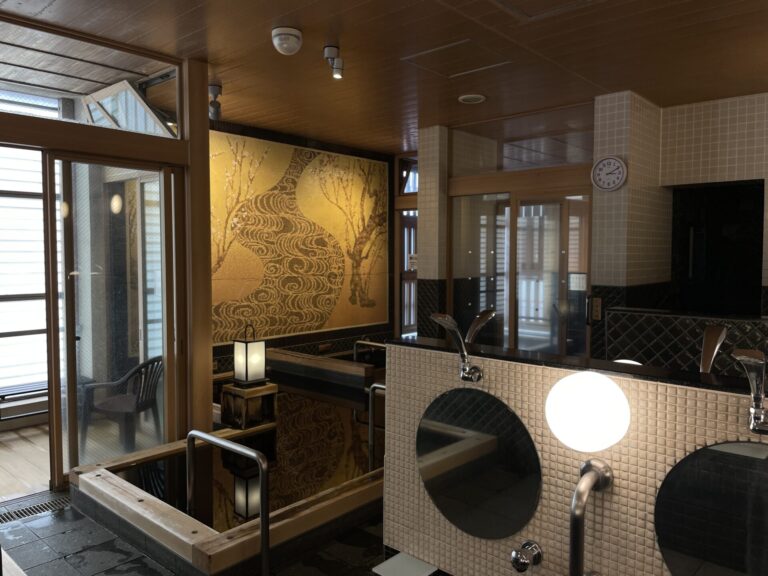
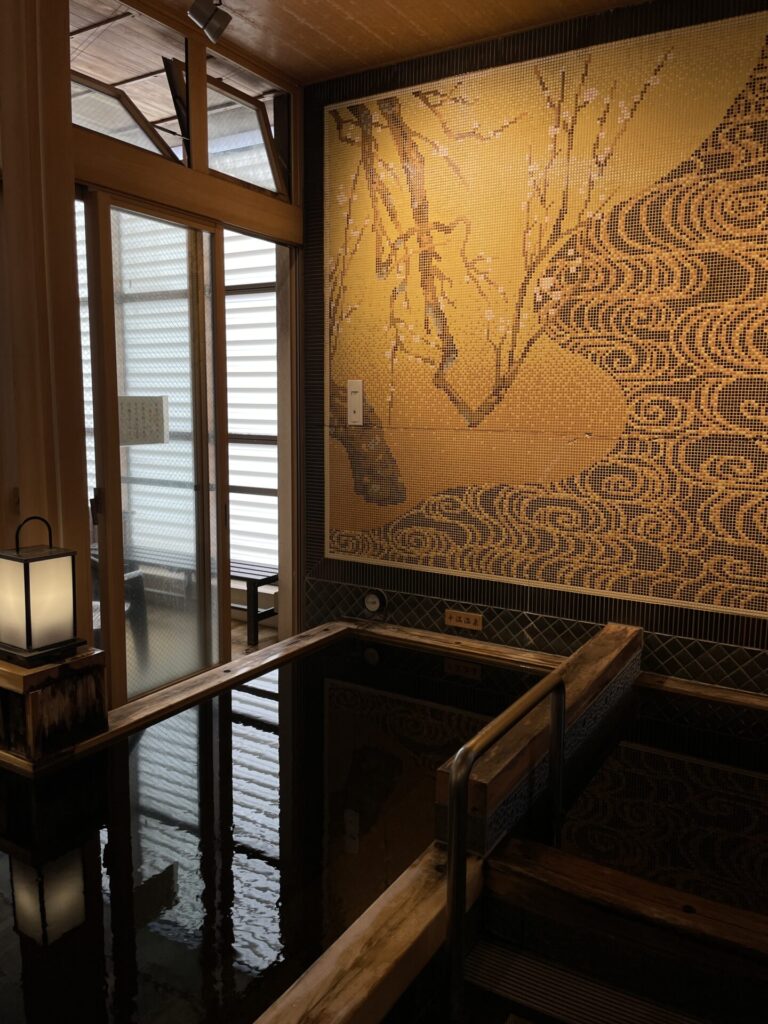
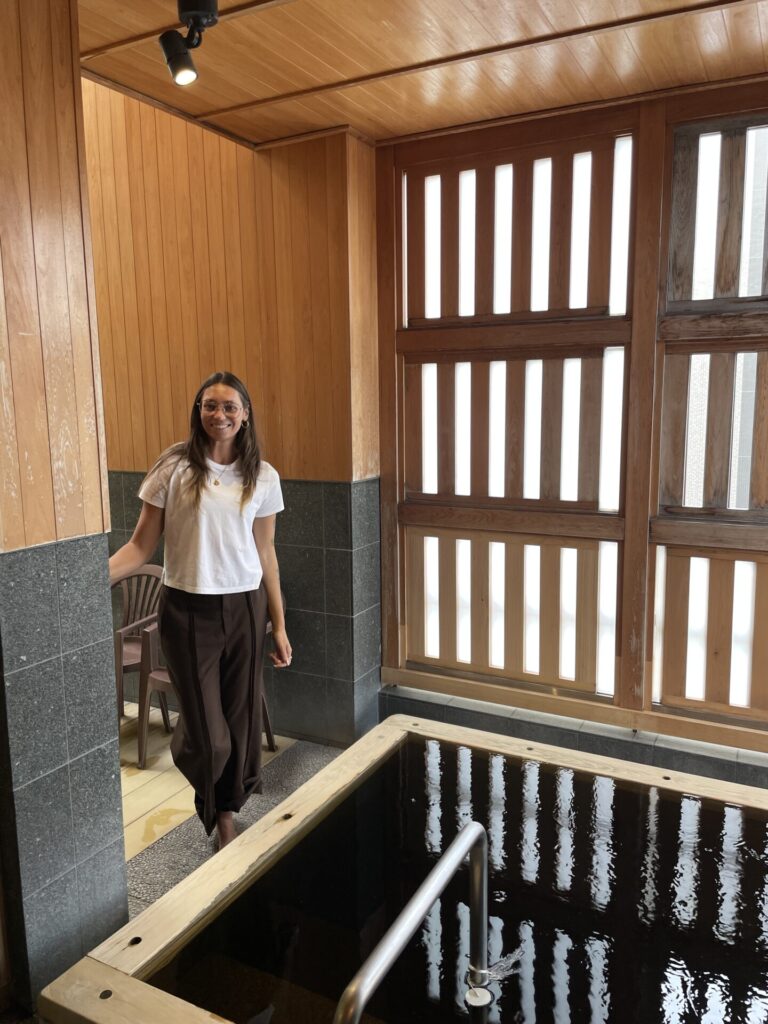
Oh my lord, you guys, our local tour guide Yuko took us to the most amazing tattoo-friendly onsen in Tokyo, and it ended up being one of the highlights of my entire trip. After weeks of exploring Japan in cold weather, sinking into those steaming pools felt heavenly. My muscles basically thanked me out loud.
We went to Mikokuyu, a proper local institution with regulars, charm, and zero gimmicks. It was such a calming, grounding experience and I recommend it to everyone. I’ll link it below so you can check it out.
2. TeamLabs Planets vs. TeamLabs Borderless
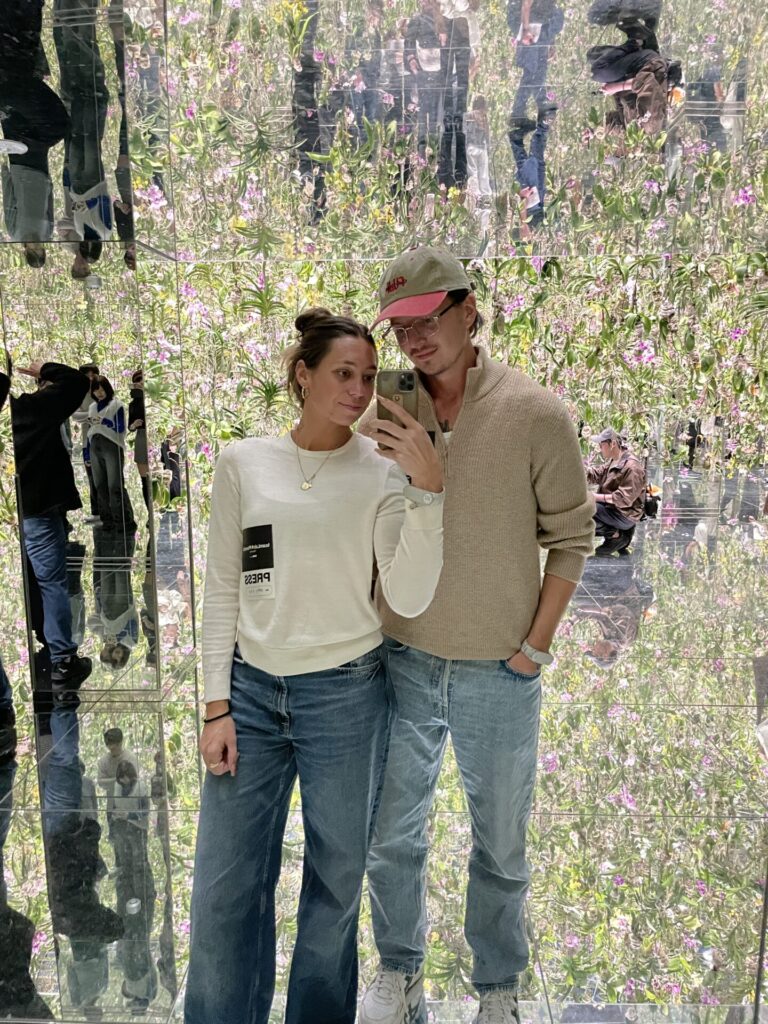
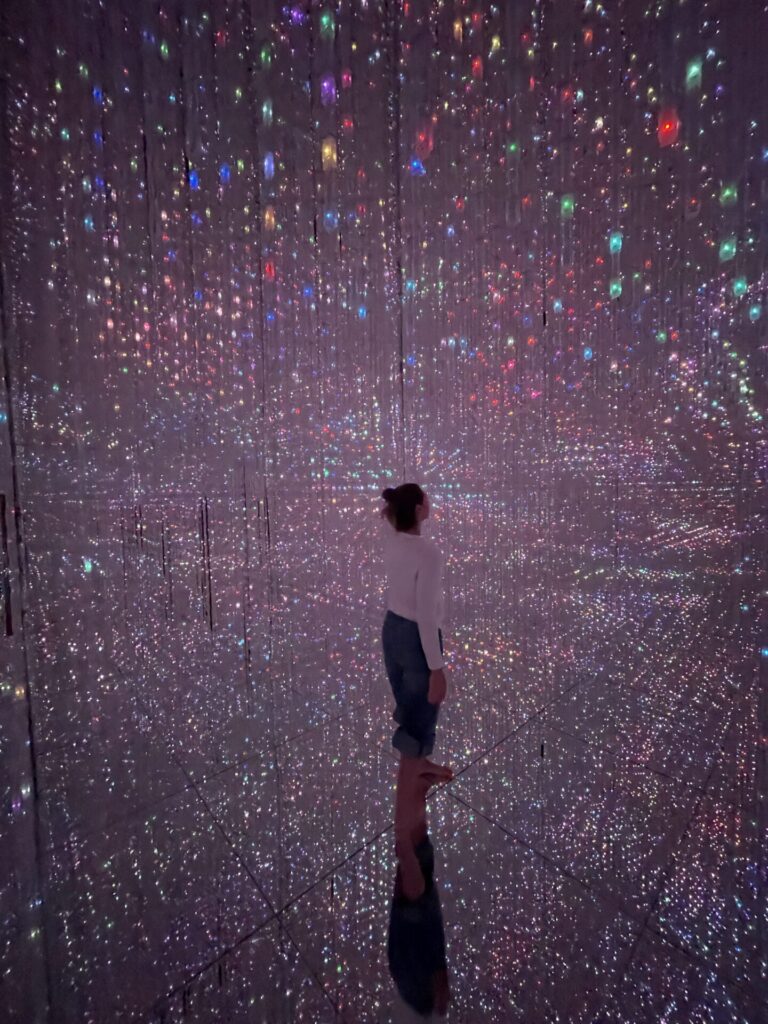
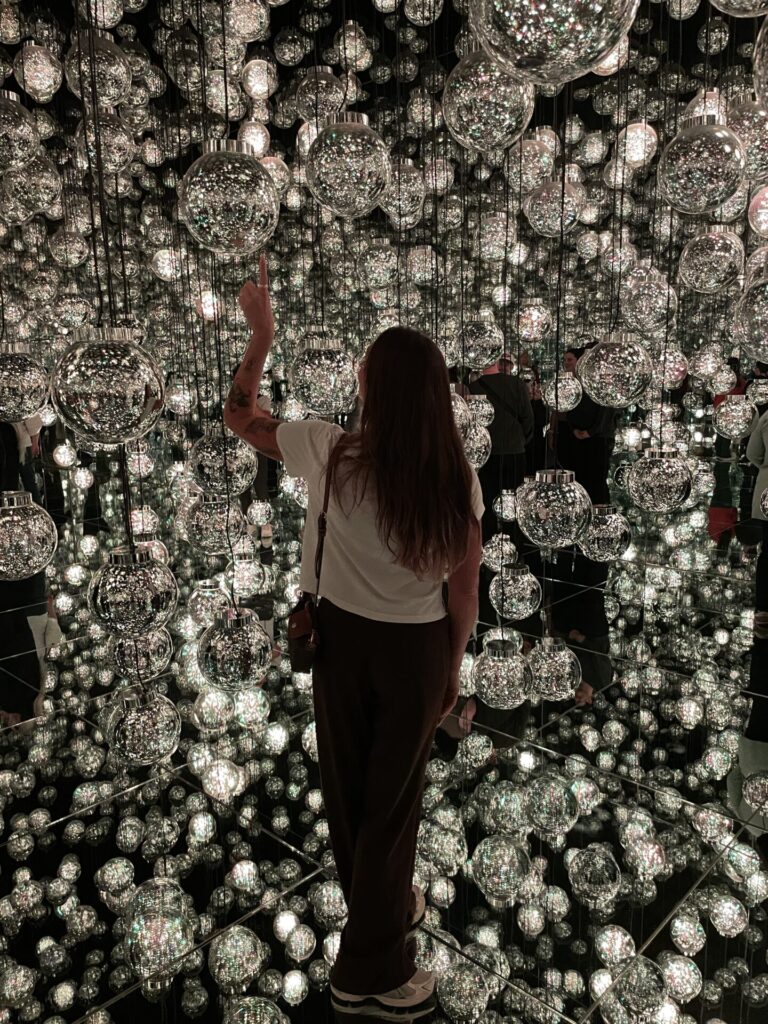
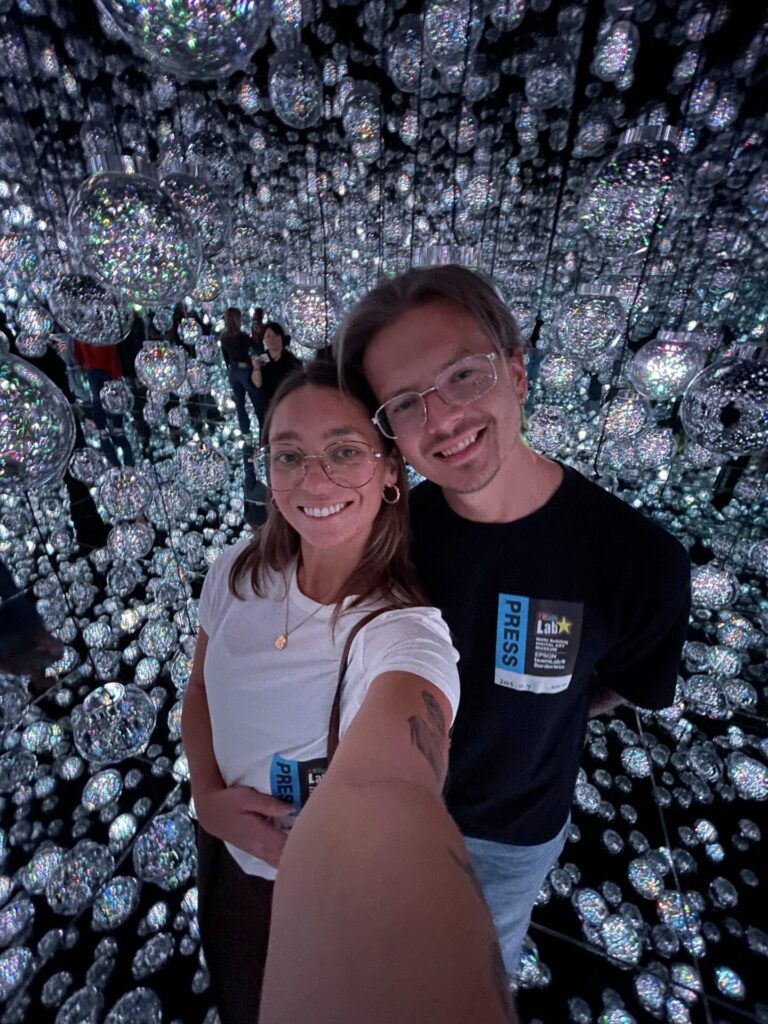
We did both TeamLabs back to back because I wanted to properly compare them for you, and honestly, they’re both great. These are immersive digital art experiences in Tokyo, super interactive, and perfect whether you’re into art or just want to be wowed for an hour.
But if you can only choose one, I’d say go for TeamLabs Planets. It’s far more immersive, way more interactive, and overall it just delivers a bigger experience.
Click Here: Tickets for Teamlabs Planets
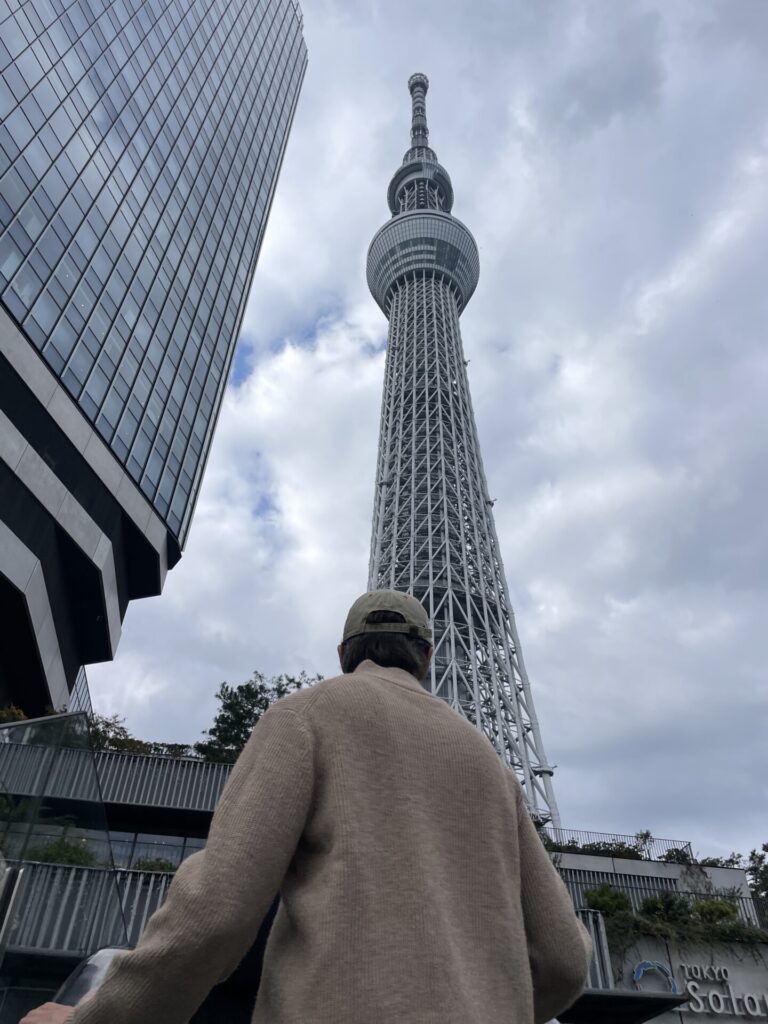
3. Tokyo Skytree vs. Shibuya Sky Observatory
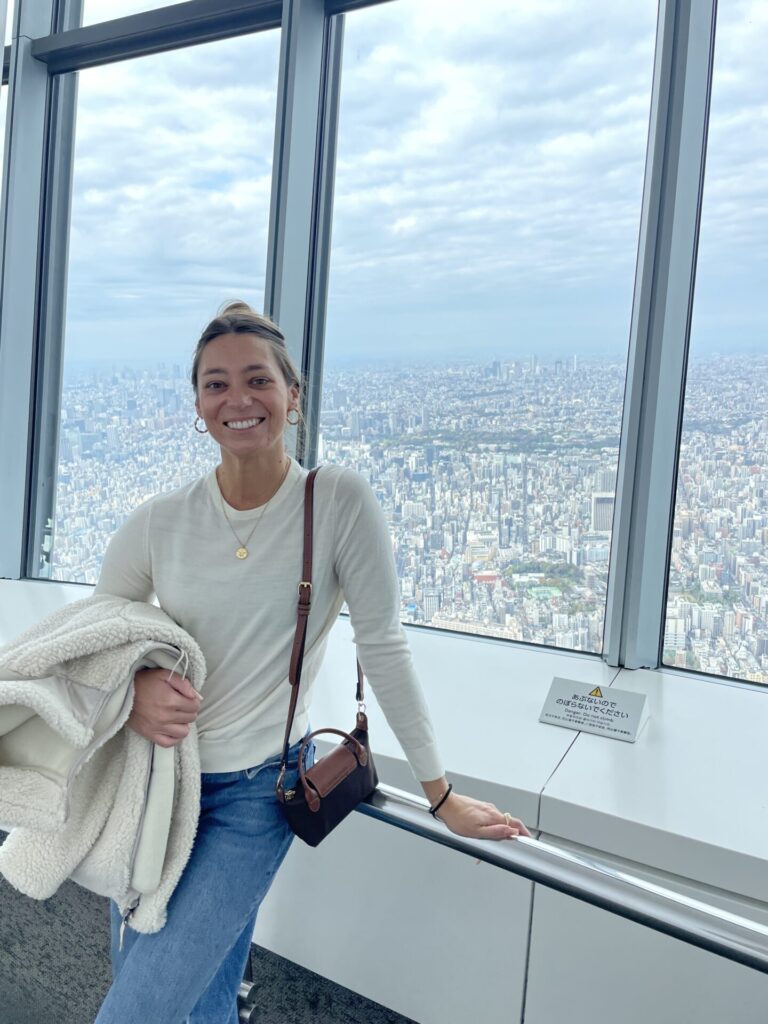
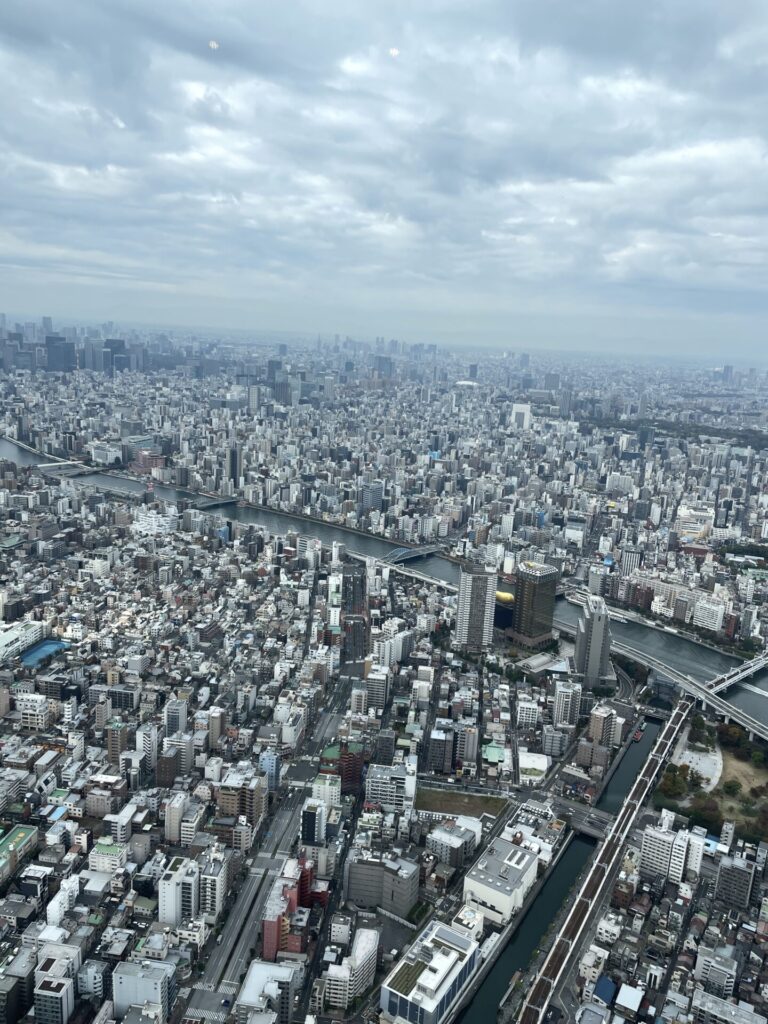
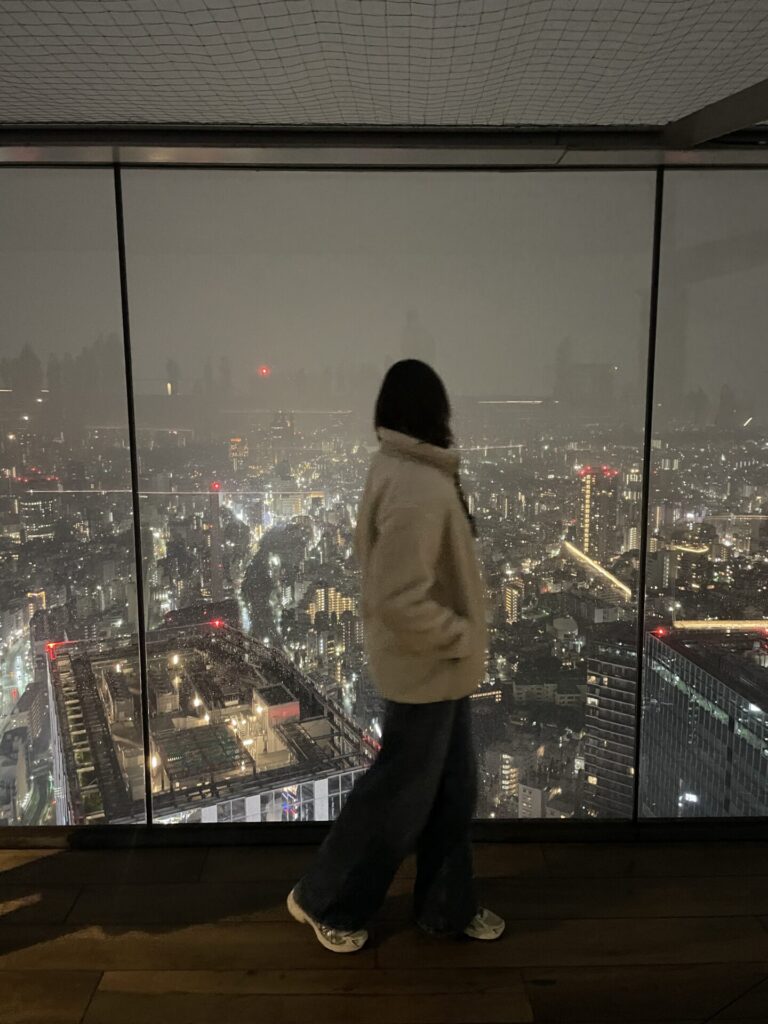
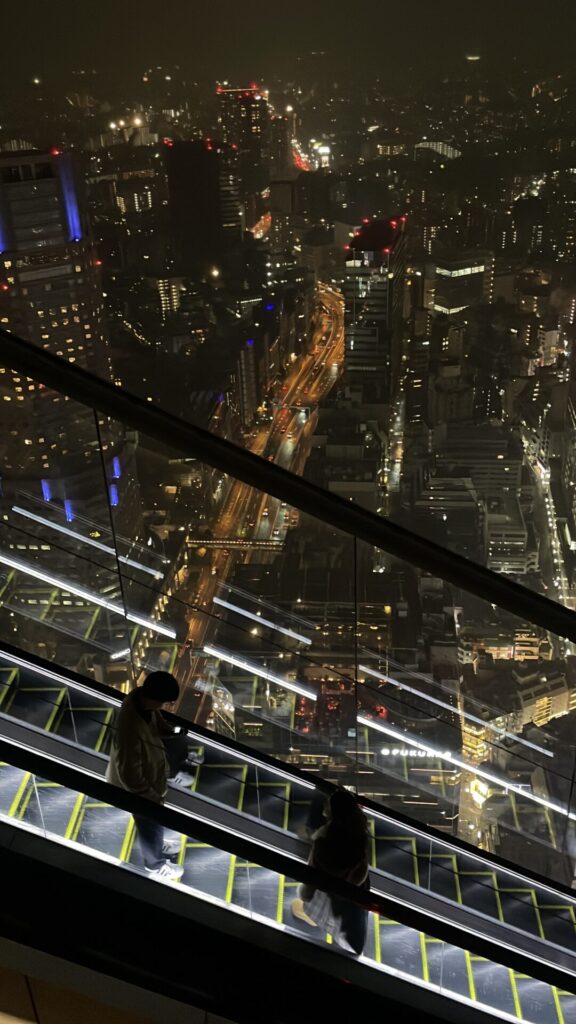
I did both observation decks… and had mediocre weather both times, so sadly no epic panoramas for me. On a clear day, you can even see Mt. Fuji from Tokyo Skytree, well, apparently. I just got clouds.
Tokyo Skytree is much higher and fully indoors while Shibuya Sky isn’t as tall but has a big open-air rooftop, comfy seating, a little bar, and even a light show.
If the weather is good, I 100% recommend Shibuya Sky for a sunset drink with incredible views. If the weather is bad, go with Skytree, since at least you’ll be indoors.
Click Here: Tickets Tokyo Skytree
Click Here: Tickets Shibuya Sky Observatory
4. Senso-ji
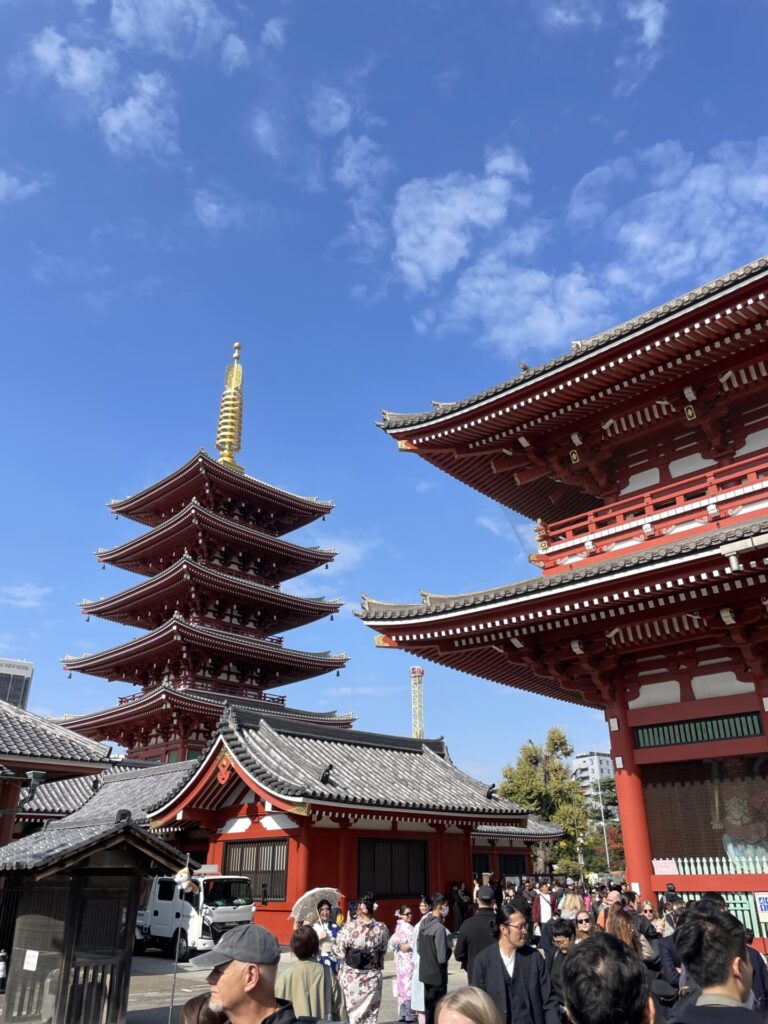
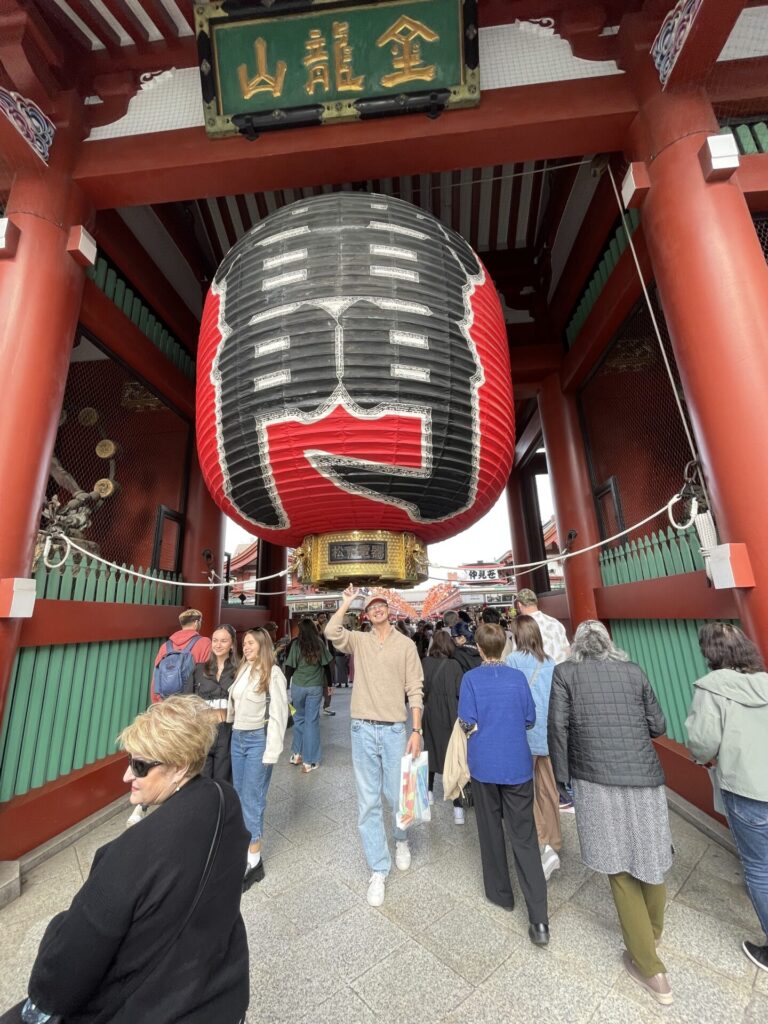
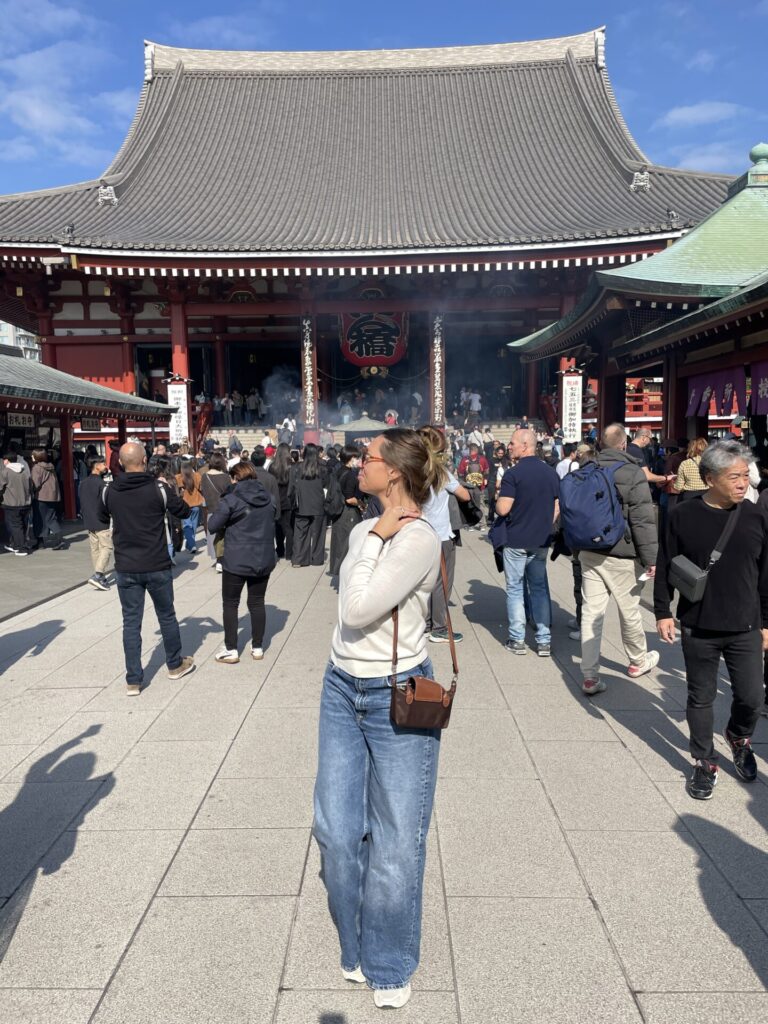
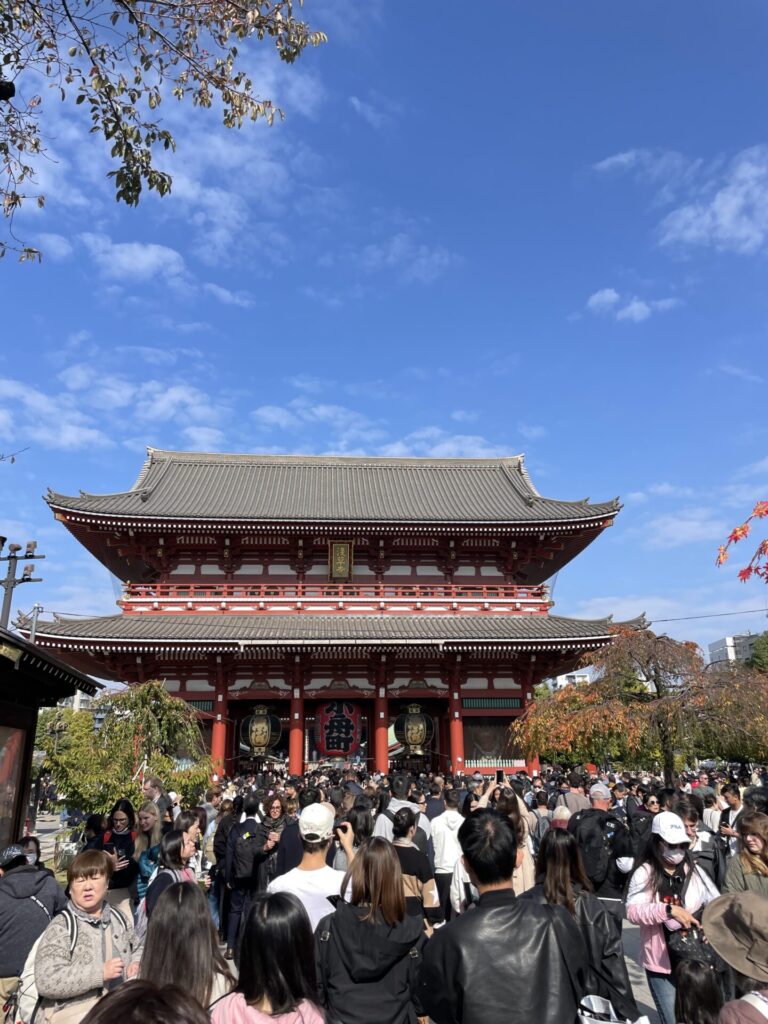
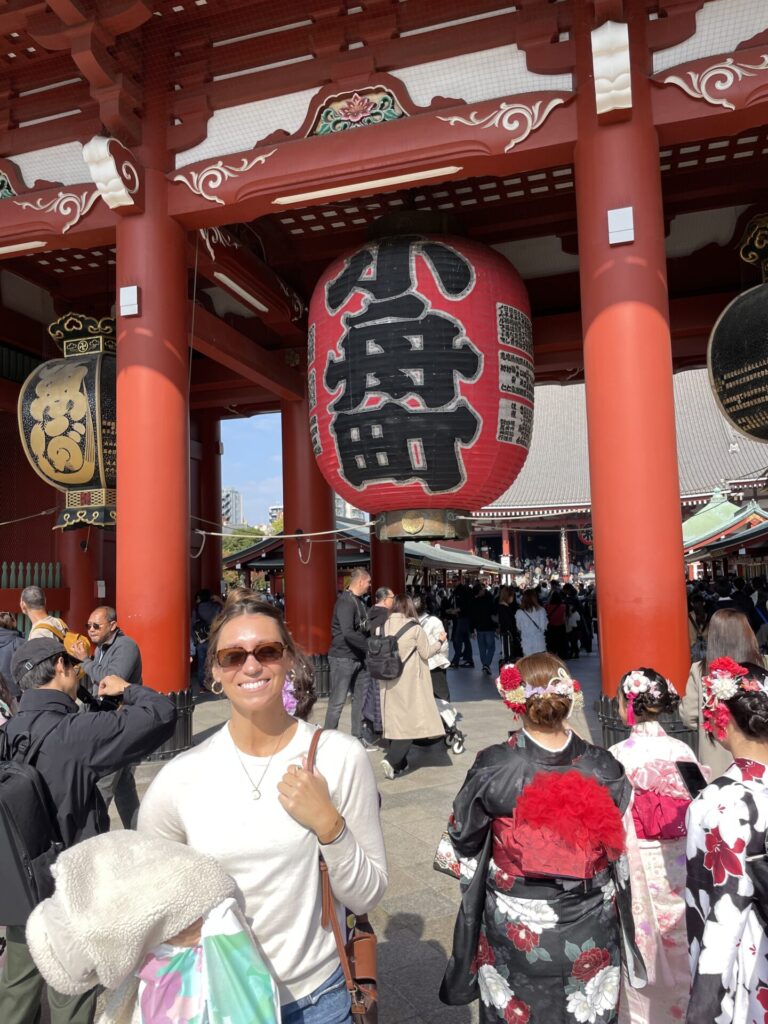
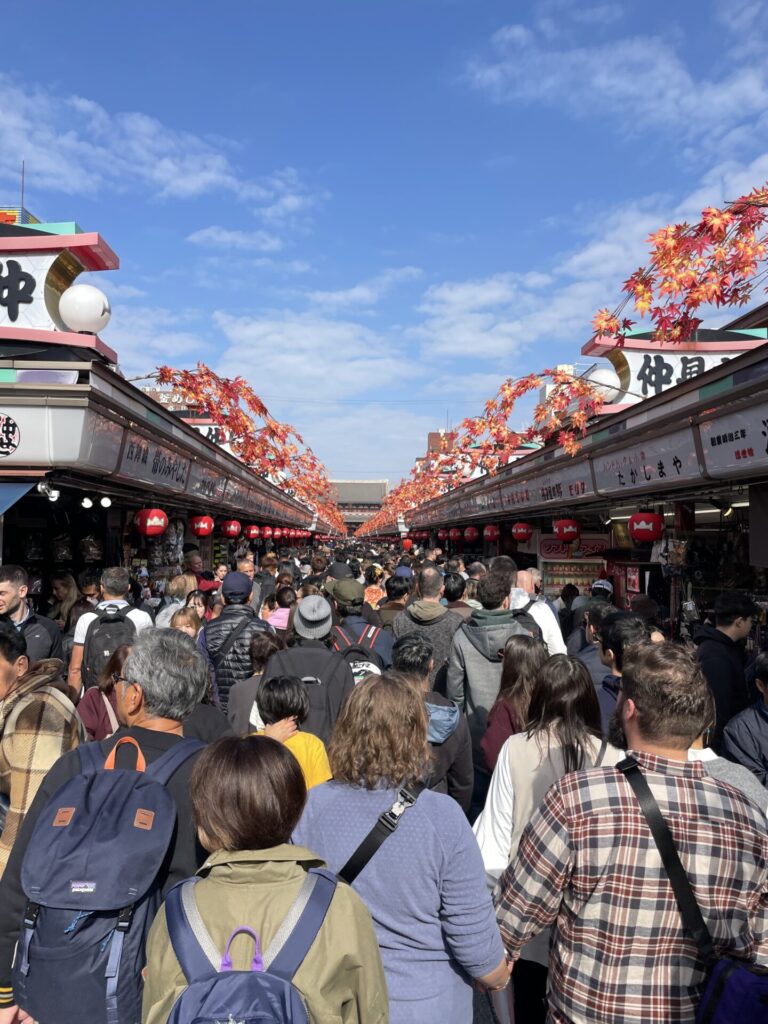
I really enjoyed Senso-ji. It’s a beautiful, iconic temple and the little shopping street leading up to it is fun for snacks and souvenirs. It was absolutely packed when we went (I mean, shoulder-to-shoulder busy), but we still enjoyed it.
I’ve seen people renting traditional outfits here for photos, but honestly, it’s too crowded for that. Kyoto is much better if you want some dreamy kimono photos.
Things You Can Skip in Tokyo
Memory Lane (Piss Alley), Shinjuku: Look, it’s fun to walk down once. It’s atmospheric, photogenic, and a quick stop makes sense. But the izakayas here are overpriced and not the best. I had way better food and drinks in non-touristy spots.
Viral Food Places: I’ll say this again and again in all my Japan guides: Every viral food place you see on Instagram and TikTok is a waste of time. My biggest disappointment was the famous “udon carbonara.” It was bland, overpriced, and I genuinely don’t understand the hype. Please trust me on this and don’t line up for hours for viral food. Tokyo has hundreds of fantastic spots where the food is better and you can actually sit down within five minutes.
My Personal Tokyo Travel Hacks
- Time is money in Tokyo: I cannot stress this enough: stay near a subway station and plan your days by area. Tokyo is massive, and for example, doing Senso-ji, the fish market, and Shibuya Crossing in one day is basically a full-time job in “commuting across Tokyo.” I grouped my days by neighborhood, and it saved me hours (and my sanity).
- Viral food is a waste of time: Yes, I’m repeating myself because it’s that important. Don’t go to a single viral food spot in Tokyo. They’re all wildly overrated. My biggest heartbreak was the viral udon carbonara… honestly bland and definitely not worth the line. I’ll share the restaurants I actually loved in my food guide to Tokyo. Honestly, just wander around and check Google Maps, you’ll stumble onto great food everywhere.
- Tabelog vs. Google Reviews: People will tell you Tabelog is the only platform worth using when it comes to food and that Google Maps is useless. After I have talked to locals and tried both, I don’t fully agree. Tabelog has a strange rating system that sometimes makes it hard to know what’s genuinely good. Google, on the other hand, has tons of tourist reviews which are not always the most reliable for Japanese cuisine. I used a mix of both, but funnily enough, all my best little sushi and ramen finds came from Google Maps.
- Check the size of your hotel room: Hotel rooms in Tokyo (and Japan in general) are tiny, and yes, even the expensive ones. Space is limited, and we didn’t even have enough room to open our suitcases in some places. Just double-check room sizes so you know what you’re walking into.
- Takkyubin luggage service: If you’re wondering what this is: it’s magic. Takkyubin is Japan’s luggage delivery system and most hotels participate. We used it from Kanazawa to Tokyo and paid around ~$12 per bag. They shipped everything for us, and our luggage was waiting at our hotel when we arrived. Not dragging big suitcases through train stations felt like a luxury experience.
How to Get Around in Tokyo
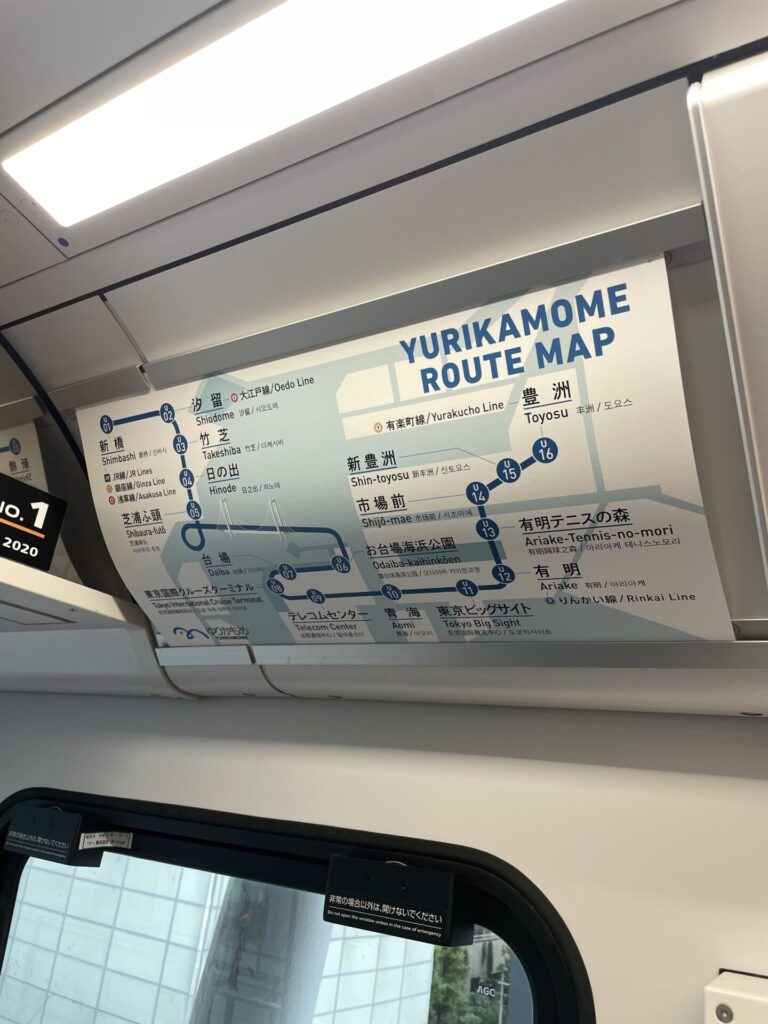
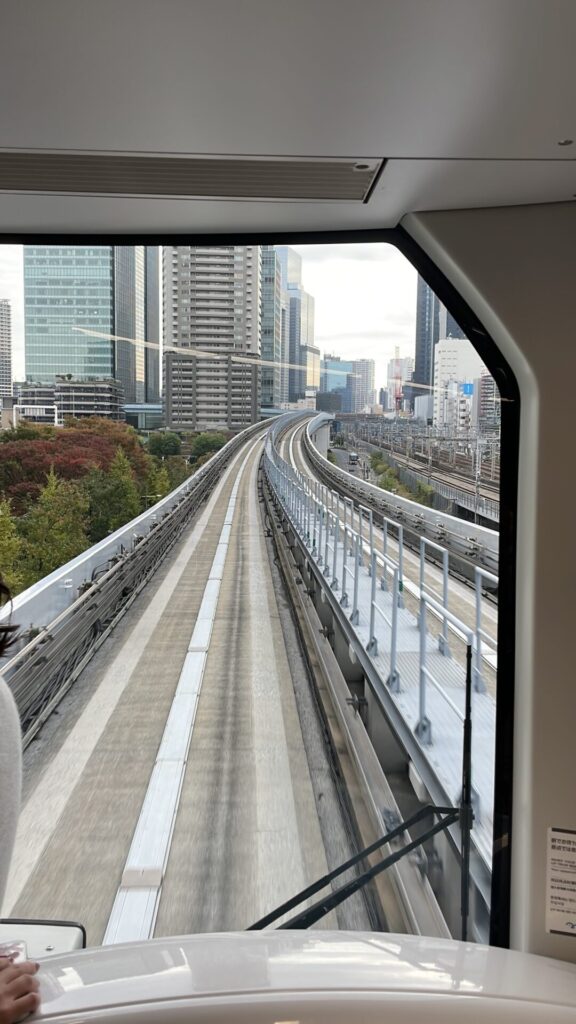
After almost a week of exploring Tokyo, I feel pretty confident saying there are really only two main ways to get around: the subway and your own two feet. We did end up taking taxis and Ubers a few times as well though, and fun fact, they’re actually much more affordable in Japan than I expected.
Subway System in Tokyo
I’ll be honest: compared to other major cities I’ve visited, Tokyo’s subway can feel intense. Some stations are enormous and chaotic, and Shinjuku Station is literally the busiest in the world, and it feels like it. But even with all that, I still managed to navigate it without too much drama.
Having reliable data from Sim Local made everything easier. I basically lived on Google Maps for metro lines and transfers. I also recommend getting an IC card (Suica or Pasmo) and adding it to your phone wallet so you can just tap through the gates. Some stations do let you tap in with your credit card, which is handy, but not all of them. I got stuck once and had to awkwardly ask the staff to let me out. Save yourself the hassle and just get the IC card.
Walking Around Tokyo
My dad always said the best way to explore a city is on foot, and Tokyo definitely proved him right. Of course, the whole city isn’t walkable, it’s way too big, but individual neighbourhoods like Shibuya, Shinjuku, and Harajuku, as well as Asakusa, are perfect for slow wandering. I loved stumbling across random side streets, tiny restaurants, and shops I never would’ve found otherwise. It’s honestly one of my favourite things about Tokyo.
Ubers and Taxis
Taxis and Ubers were cheaper than I thought, so we used them whenever we had luggage or when the metro route was going to be too much of a mission. Uber actually just books regular taxis in Japan, but you can pay through the app, or directly with your credit card or IC card. Super easy. I want to add that the traffic in certain areas in Tokyo can be crazy and the metro might be the quicker option!
My Top Cafes & Restaurants in Tokyo (Best Food in Tokyo)
I’ve said it before, but the food in Tokyo was one of the absolute highlights of my trip and honestly one of the main reasons I’ll be back. That goes for Japan in general, but Tokyo especially stole my heart (and my appetite).
I have full food guides for Tokyo and all the other cities I visited, so make sure to check those out for the full list. But here are a few of my top spots so you get a rough idea of what’s actually worth trying.
For Ramen in Tokyo – Ramen Tatsunoya Shinjuku
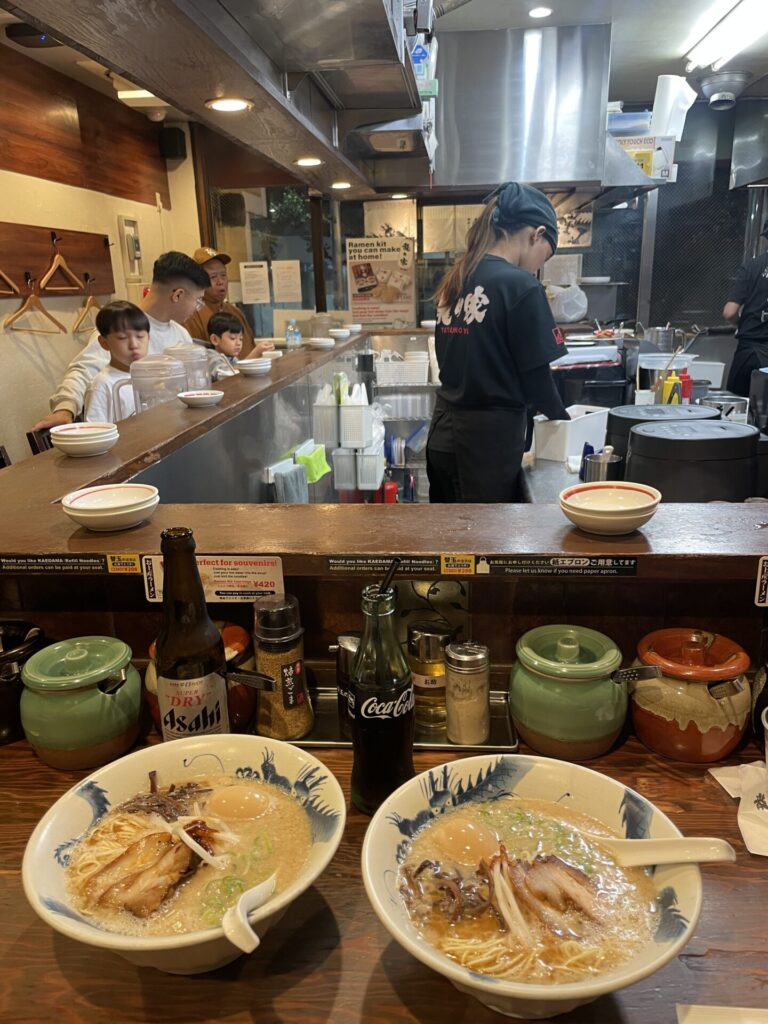
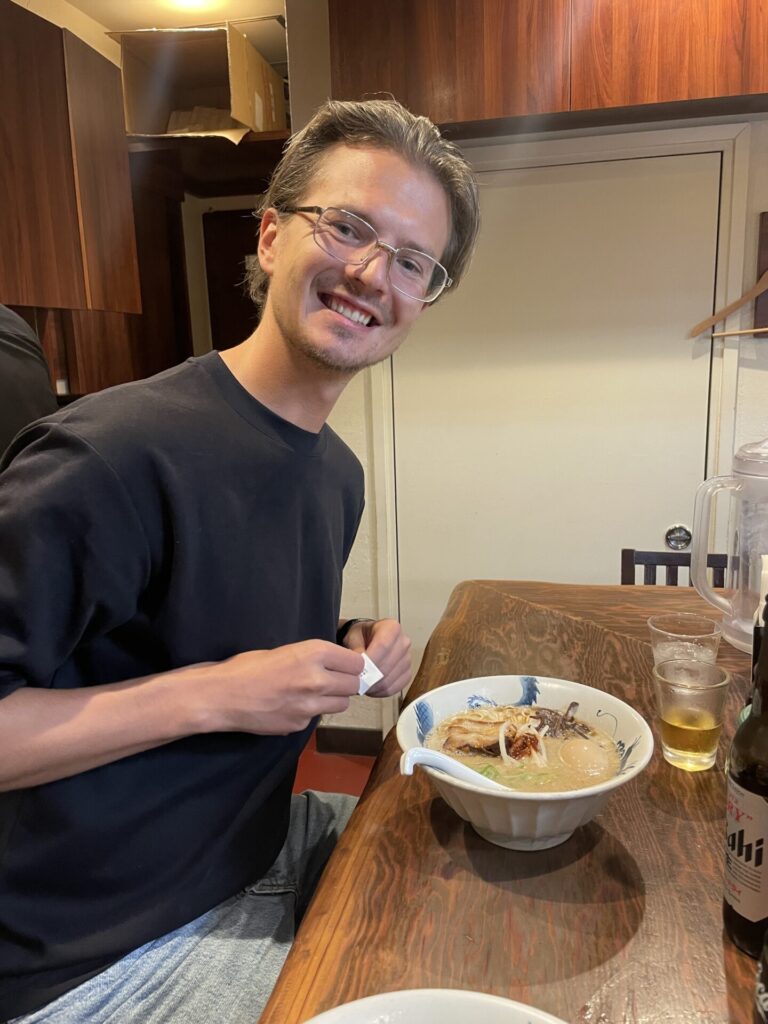
I ate a frankly ridiculous amount of ramen in Japan, and Ramen Tatsunoya in Shinjuku ended up being my number one. We waited about an hour in line, yes an hour, but this isn’t one of those viral, overhyped spots. There’s a line because the ramen is actually incredible.
The tonkotsu broth was rich and flavourful, the pork was insanely tender, and the whole place is tiny and simple with bar seating. I don’t care about the decor anyway, the ramen is what matters, and this was the best bowl I had in an entire month in Japan.
Click Here: Ramen Tatsunoya Shinjuku
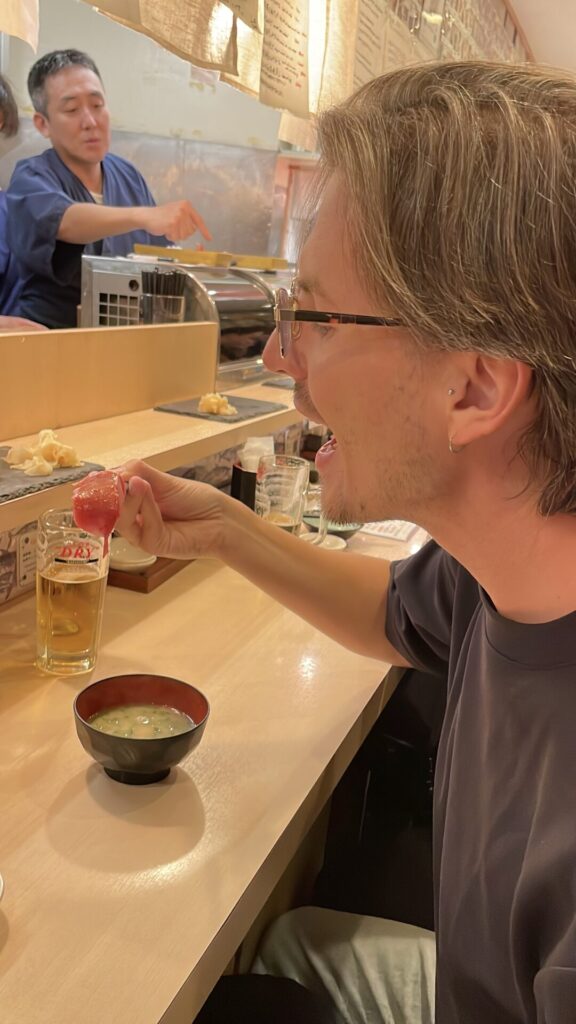
For Sushi in Tokyo – Sushi Bar Nigirite
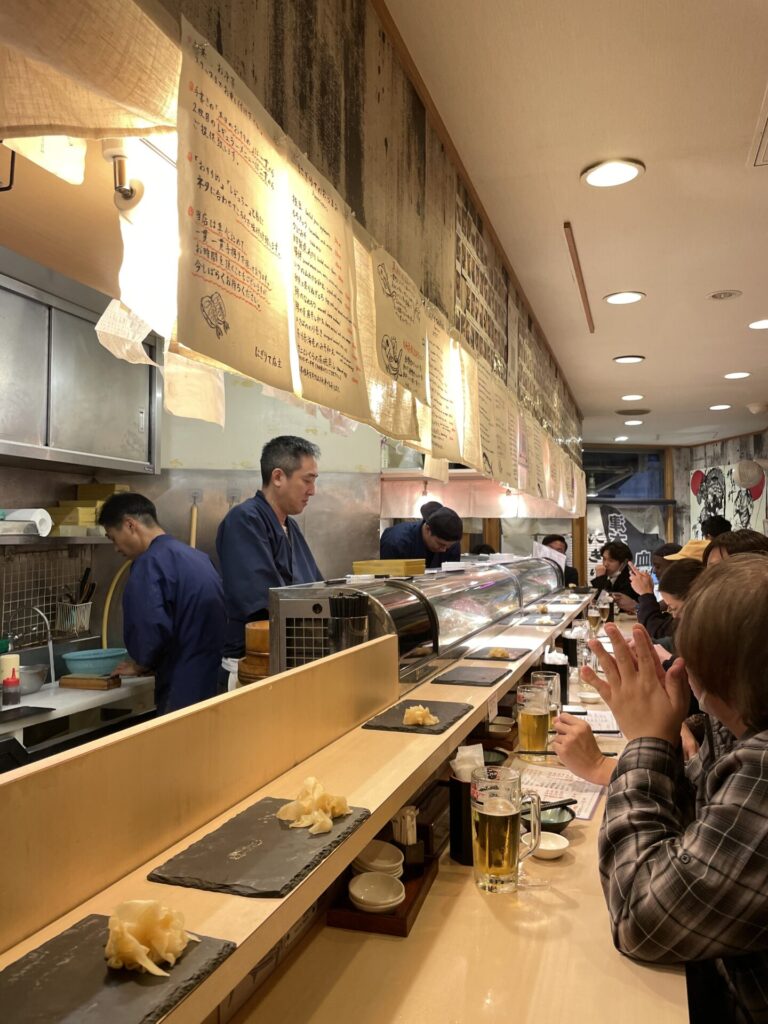
Before you come for me: yes, there are probably fancier sushi restaurants and omakase counters in Tokyo. But Sushibar Nigirite completely won me over. We just walked in without a reservation (pure luck), but I recommend trying to book ahead online, even though the site is all in Japanese, or popping by the day before.
We did a mini omakase for about $30 USD and it was incredible. Some of the best mackerel and unagi nigiri I’ve ever had. What I loved most, though, was the vibe. Lots of omakase places feel a bit stiff, like you’re being monitored for proper “sushi etiquette.” Here it felt casual, relaxed, and fun, but with sushi that was still top-tier. I highly recommend coming here for a first and casual sushi and omakase experience, just because it is so laid back!
Click Here: Sushi Bar Nigirite
For Gyozas in Tokyo – Kameido Gyoza Honten
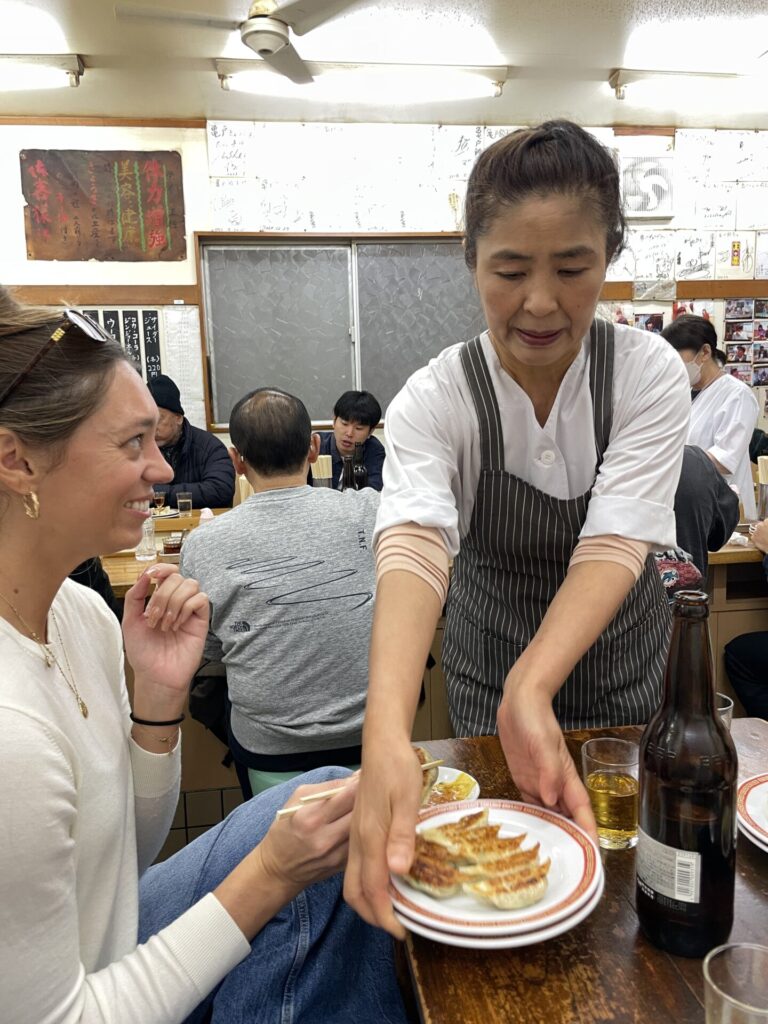
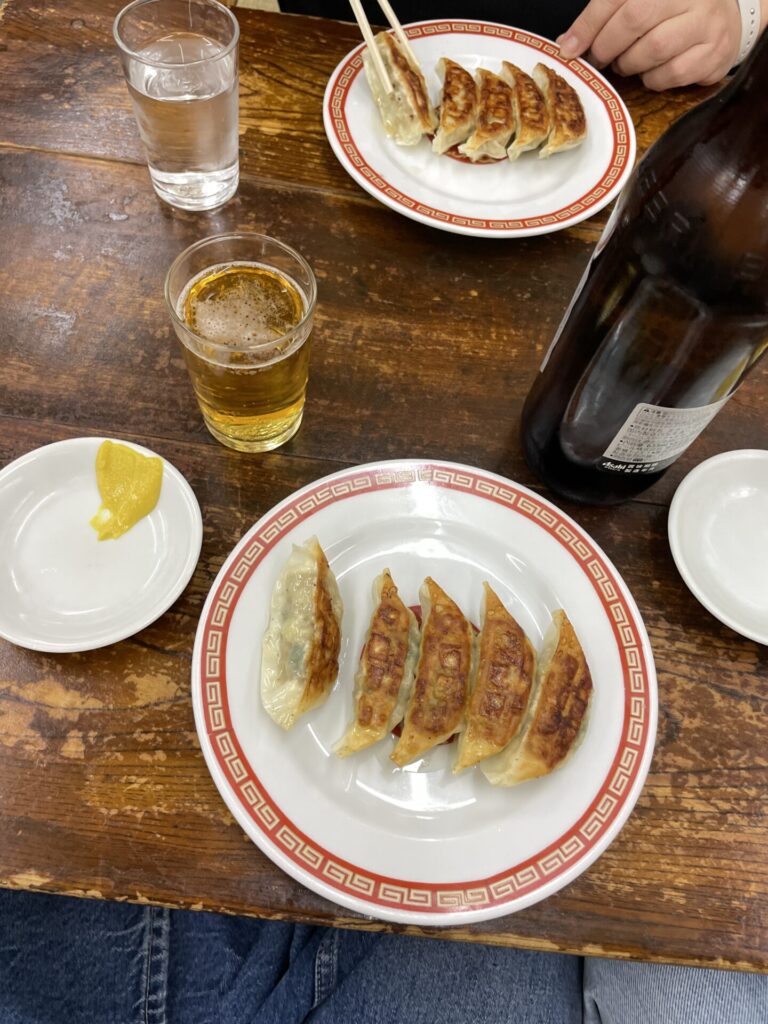
This spot is as local as it gets. I’m pretty sure our guide Yuko will murder me for putting it on the internet, but I can’t gatekeep it. We sat down and they immediately dropped a big bottle of beer on the table and a plate of five pork gyozas per person, because that’s literally all they serve.
Every time I finished my plate, they’d silently bring another one until I told them to stop. I had four plates, but I easily could’ve gone for five or six. Crispy, juicy, simple, perfect. If you want a true local experience, go here.
Pro tip: In Japan (and much of Asia), dumplings are meant to be eaten with vinegar, or a mix of vinegar and soy sauce, and sometimes even a little mustard. What you don’t usually do is dip them straight into soy sauce. Most locals will tell you that’s a very tourist move.
Click Here: Kameido Gyoza Honten
Best Coffee Shop in Tokyo – Leaves Coffee Roasters
My favourite coffee spot in Tokyo was Leaves Coffee Roasters near Asakusa in Sumida City. We stumbled across it by accident, and wow, the pour-over coffee I had there was amazing. Japan’s coffee scene is surprisingly amazing across the board, and I tried a new café almost every day, but this one really stood out.
Click Here: Leaves Coffee Roasters
The Best Day Trips from Tokyo Japan
I could easily spend a full week in Tokyo, probably even longer, just exploring different neighbourhoods, cafés, shops, and random little pockets of the city. But on top of everything Tokyo offers, there are so many incredible day trips and weekend trips you can do from here.
We did a weekend trip to Mount Fuji, which was amazing, and there are plenty of other options like visiting the famous snow monkeys or heading out to the mountain town of Nikko. Both of those are high on my list for my next Japan trip.
Day Trip to Mount Fuji
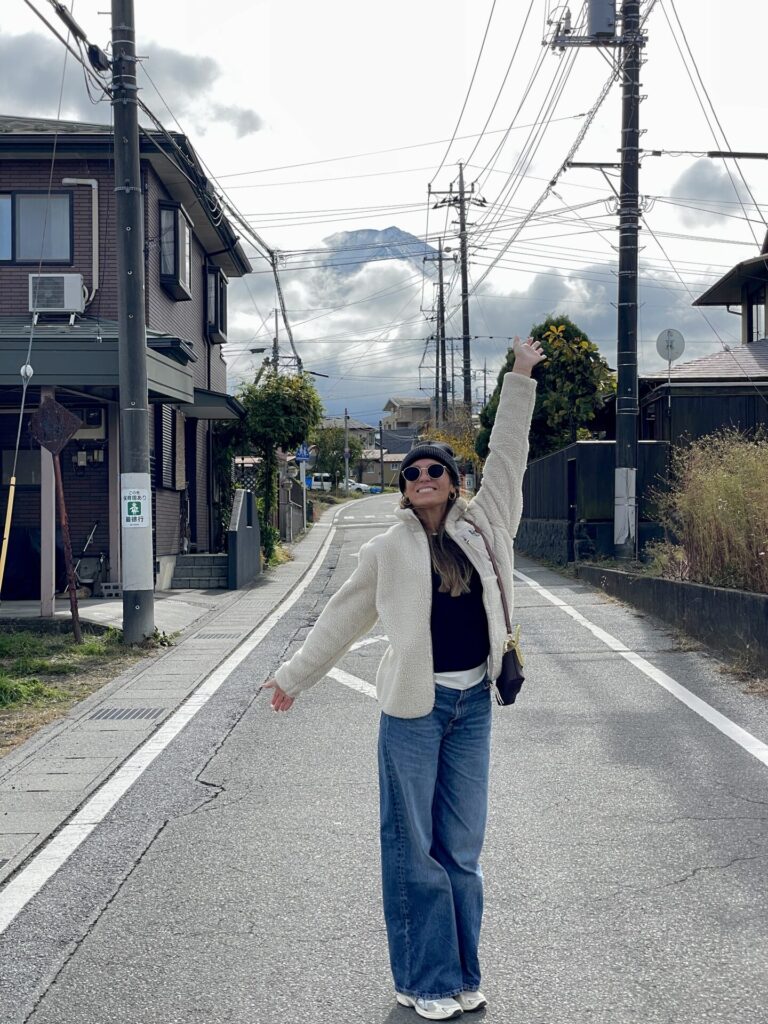
We did a trip to Mount Fuji and… wow, did we get unlucky. If you’ve already done some research, you’ll know that Fuji is notoriously shy, and it’s very common for the mountain to hide behind clouds all day. And of course, that’s exactly what happened to us. It only popped out an hour after we’d already left and we literally saw it from the bus window with a perfectly clear sky. Heartbreaking.
But honestly, we still had a great time. We explored Fujiyoshida, ate some amazing food, and enjoyed the slower pace compared to Tokyo. It’s definitely worth the trip and even better when Fuji actually decides to show her face.
Book Here: Mount Fuji Day Trip
Day Trip to See the Snow Monkeys in Nagano
This one is high on my list for next time: visiting the adorable snow monkeys in Nagano. You can drive there yourself if you have an international driver’s licence, or you can easily book a tour on Klook, which is super popular across Asia (kind of like Japan’s version of GetYourGuide or Viator). I’m definitely saving this for a winter visit.
Book Here: Snow Monkeys Day Trip
Day Trip to Nikko Japan
Another day trip I’d love to do is Nikko which is a beautiful little mountain town known for the Shinkyo Bridge and Kegon Falls. It’s a quieter, more peaceful escape from the chaos of Tokyo, and it looks like the kind of place where you can slow down, breathe in fresh mountain air, and enjoy a completely different side of Japan.
Tokyo, Kyoto, and Osaka are amazing, but spending time in smaller towns like Fujiyoshida and Kanazawa made me appreciate Japan even more. Highly recommend adding at least one slower-paced spot to your itinerary.
Book Here: Nikko Day Trip
How to Get to Tokyo (From Airport & Other Cities in Japan)
Getting to Tokyo, and leaving again, was surprisingly easy from my experience. There are a few things to keep in mind, though, like which airport to fly into and how to navigate the Shinkansen between cities.
Flying In or Out of Tokyo
One thing I almost got wrong in my planning: Tokyo has two major airports, and they’re not exactly interchangeable. I flew out of Narita International Airport, which handles most international flights, but there’s also Haneda Airport, which is much closer to central Tokyo. Narita is roughly an hour away by car, so when booking your flights, keep the distance in mind, it can save you a lot of travel stress.
Take the Bullet Train to Tokyo (Shinkansen)
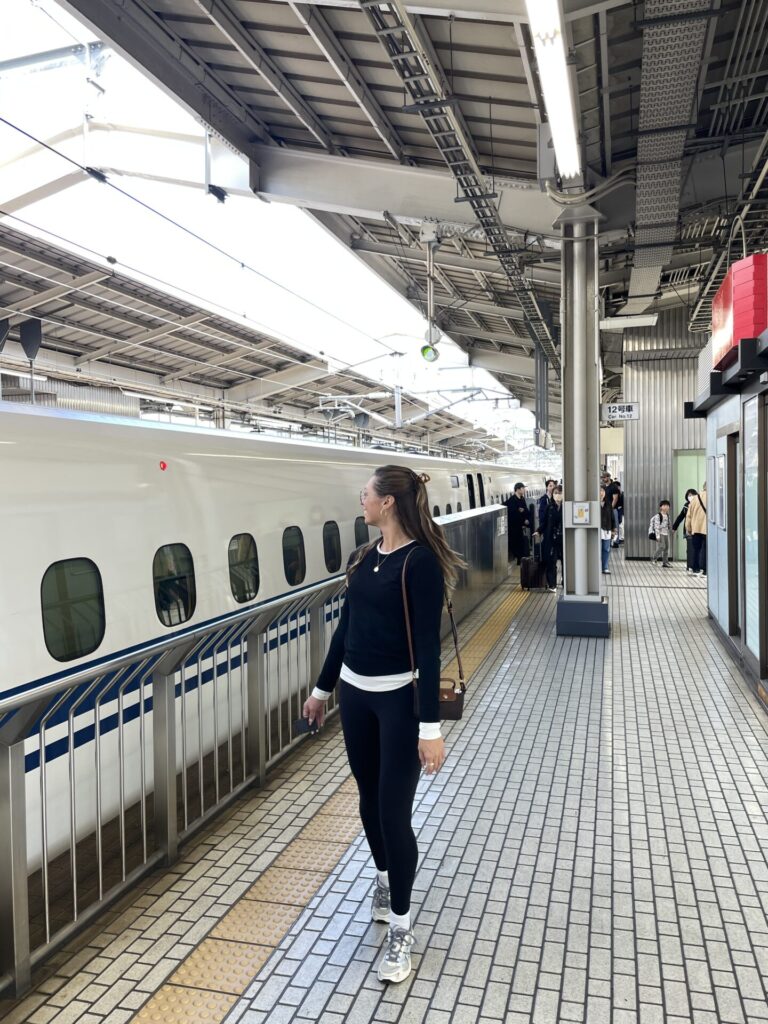
We also took the Shinkansen, Japan’s famous bullet train, into Tokyo, which is hands-down the most convenient way to travel between cities. I loved riding the bullet trains in Japan! The seats are spacious, super comfortable, and it’s fast, even if a little pricey. A few tips for riding the Shinkansen:
- Reserve your seat: Buy tickets at the station kiosks, they’re in English and very easy to use. Just make sure you buy a ticket with an assigned seat number!
- Bento boxes: Grab a Japanese lunch box (bento) at the station to enjoy on the train, trust me, it makes the ride even better and it’s kind of a classic thing to do when riding the trains here in Japan.
- Luggage: Consider using Takkyubin, Japan’s luggage delivery service, so you don’t have to haul big suitcases on and off the train.
Safety, Etiquette & First-Time Tips
I’ve heard from many travelers that Japan can feel like the “country of Nos” because there are so many unwritten rules and things you shouldn’t do that it can feel overwhelming at first. And honestly, that’s kinda true. From eating while walking to being quiet on public transport, there are so many things to keep in mind.
Even though I absolutely love Japan (it’s easily top 3 on my travel list), there were moments where I felt relieved leaving just because I didn’t have to constantly second-guess my behavior. To make it easier for first-timers, here’s a quick guide on some important etiquette, safety, and cultural norms to keep in mind.
- Eating While Walking: Absolute no-no. It’s considered impolite to walk around Tokyo eating or drinking. Yes, your 7-Eleven snack looks perfect to munch on the go, but don’t do it. Sipping coffee while strolling is generally fine, but try to resist the urge to treat Tokyo like New York and eat lunch on the run.
- No Trash Cans: Japan is famously clean, and part of that is because there are very few public trash bins. I often carried wrappers or bottles with me for ages until I found a proper place to dispose of them. My tip: I ended up packing a small plastic bag in my backpack for trash, it’ll save you a lot of stress.
- Learn a Few Phrases: Even a couple of Japanese phrases goes a long way. From shops and restaurants to bars and street encounters, people are incredibly polite and welcoming. Simple words like “arigato gozaimasu” (thank you) or “kon’nichiwa” (hello) can show respect and make interactions smoother.
- Quiet public transport: Keep your voice low on trains, and avoid phone calls. Locals rarely talk on public transit, and loud conversations can draw attention.
- Cash-first culture: While cards are increasingly accepted, many places, including temples, small restaurants, and street vendors, are cash-only. I always had a bunch of cash on me, it just made most things easier.
- Shoes off indoors: Many traditional places, like temples, ryokans, or even some restaurants, require you to remove your shoes. Keep an eye out and follow the lead of locals.
- No tipping: Tipping is considered rude in Japan. Exceptional service is the standard, so just enjoy it without trying to leave extra money.
- Queueing is serious business: Whether it’s at a train station, bus stop, or restaurant, always stand in line patiently. Cutting in line is a big no-no.
- Photography etiquette: Ask before taking photos of people, especially in small shops or traditional areas. Some places, like shrines, may restrict photography entirely.
FAQs About Tokyo Travel Guide for First-Timers
What are the best things to do in Tokyo?
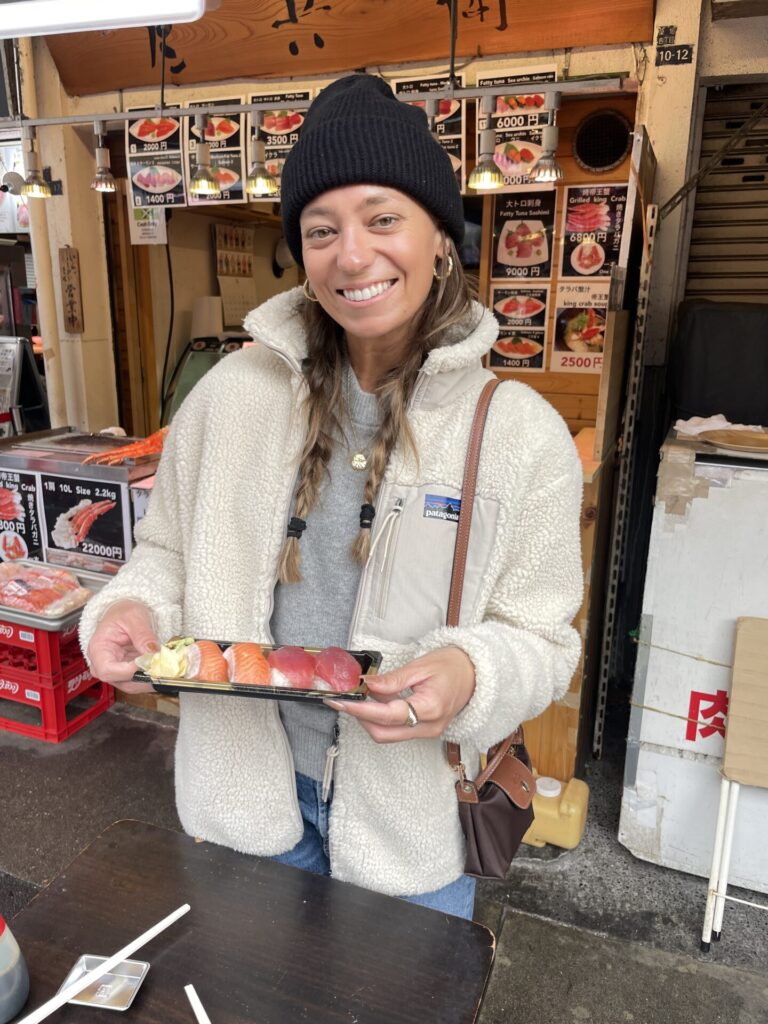
Tokyo has so many incredible things to do, but my personal favorites were visiting the Tsukiji Fish Market, crossing the iconic Shibuya Scramble, exploring the bustling streets of Shinjuku, and immersing myself in the incredible Teamlabs Planet exhibition.
Is Tokyo worth visiting?
Absolutely. Tokyo is one of my favorite cities I’ve ever visited, and I’m already planning my next trip. From the vibrant energy and amazing food to the friendly people and endless things to explore, it’s a city that leaves a lasting impression. I can’t recommend visiting Tokyo enough.
Is visiting Tokyo expensive?
For me, as a backpacker at heart, Tokyo is on the pricier side, especially when it comes to accommodation and high-quality sushi. That said, you can balance your budget with convenience store meals, coffees, and using the metro, which is super affordable.
What should I know before visiting Tokyo?
There’s a lot to take in, from where to stay and eat to how to get around, but this guide covers most of the essential information you’ll need as a first-time visitor.
What do I need to know as a first-timer?
Here’s a quick list from my experience: stay near Shibuya or Shinjuku, get an IC card for easy metro access, learn a few simple Japanese phrases, and, of course, eat as much amazing food as you can!
Final Thoughts on Visiting Tokyo for the First Time
Wow, this guide ended up way longer than I expected, and I could honestly add even more. But I tried to keep it focused so you don’t fall asleep while reading!
Tokyo is truly one of the most exciting cities I’ve ever visited, and Japan has officially become one of my favorite countries. This travel guide covers all the basics, but I also have more in-depth Tokyo guides linked below, covering hotels, activities, and food spots, so you can dive deeper if you want. Happy travels, and enjoy every moment in this incredible city!
Check Out My Other Tokyo Guides
Tokyo Travel Guide: Everything You Need to Know Before Visiting Tokyo
Is Tokyo Worth Visiting: My Honest Review
The Best Time to Visit Tokyo: Tokyos Seasons Explained
3 Day Itinerary Tokyo: How I Spent 3 Days in Tokyo
What to Eat in Tokyo: My Top Restaurants in Tokyo
How to Get Around in Tokyo: A Guide for Public Transportation in Tokyo
Is Tokyo expensive: My Budget Breakdown for Tokyo
1 Week in Tokyo: My 7 Day Tokyo Itinerary
Things to Do in Tokyo Japan: My Top Activities in Tokyo
Where to Stay in Tokyo: My Favorite Areas & Hotels in Tokyo
Tokyo Skytree vs. Shibuya Sky: Which one is better?
Teamlab Planets vs. Teamlab Borderless: My Honest Comparison
Shinjuku or Shibuya: The Best Areas in Tokyo
Where to Stay in Shibuya Tokyo: My Favorite Hotels
Where to Stay in Shinjuku Tokyo: Top Hotels & Areas
1 Day in Tokyo Itinerary: How I Spent 24 Hours in Tokyo
Best Cafes in Tokyo: The 7 Best Coffee Shops
How Many Days in Tokyo do You Need: My Honest Opinion
Check Out My Other Japan Travel Guides
Japan Travel Guide: Everything You Need to Know Before Visiting Japan
Best eSIM for Japan: My Honest Comparison
Is Japan Worth Visiting? My Honest Review
Is Japan Expensive to Visit? Japan Budget Guide
7 Days in Japan Itinerary: How I Spent 1 Week in Japan